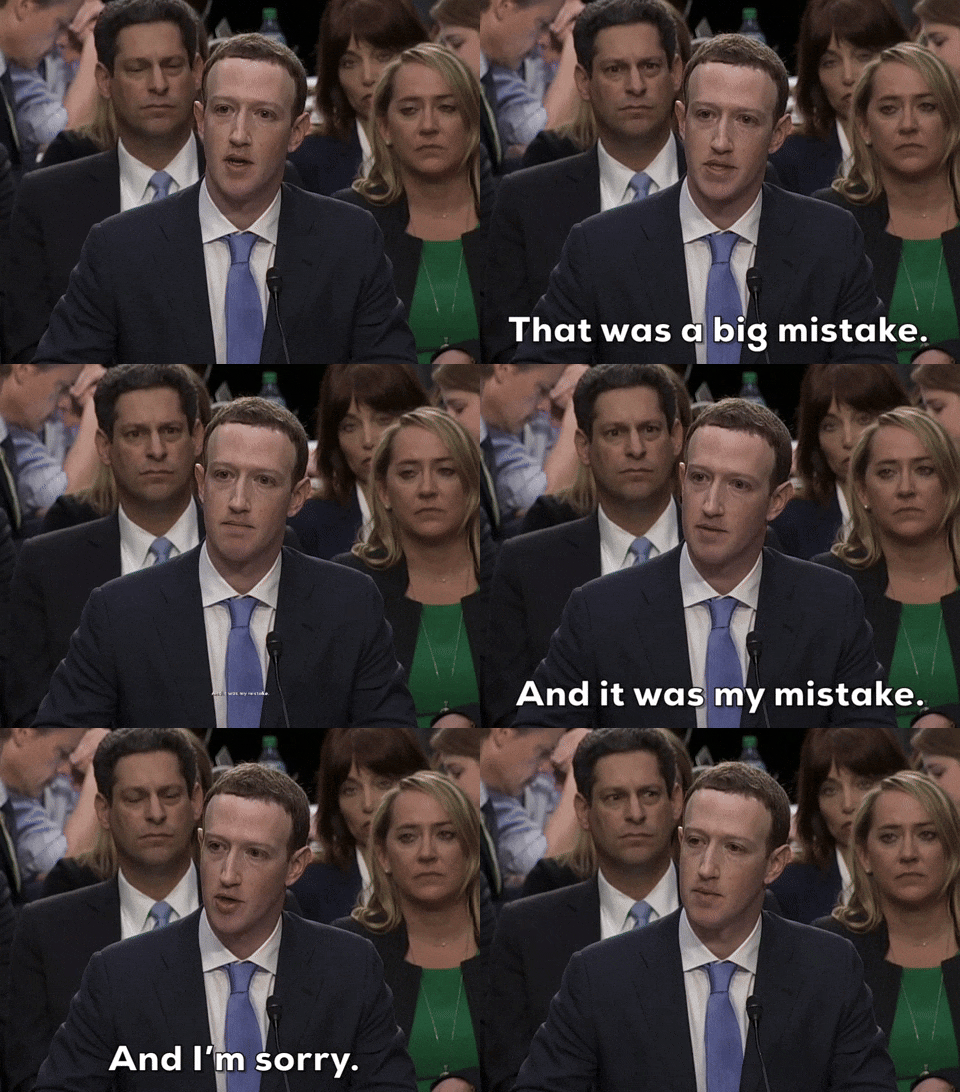
In the October-December quarter, Facebook s (Okay, Meta's) daily active users fell by about half a million, from 1.930 billion during July-September to 1.929 billion. This loss was mainly due to a slide in contribution from Africa and Latin America. Source: https://indianexpress.com/articl... What's your take on this?Where is social media heading towards, and how do you envision a new future of social networks? This gif is totally unnecessary but I think it's alright
I'm a solo developer. In August I launched a small side project here, and it was never featured, so it couldn't rank at all. It finished with 0 upvotes and 1 comment. My earlier launch, a job-search tool, got only a few upvotes back in July.
Looking back, I think I made two mistakes. I launched without checking whether it would be featured, and I didn't spend any time in the community beforehand. Since then I've been active here daily for about three months.
For makers whose launches were featured: what did you change in your listing (tagline, gallery, first comment, topics) that you think made the difference? I'm especially curious whether anything specific helps a niche or experimental product get featured.
In other words, what's that one topic that you would really like to understand more about, but can't find anything that covers it in depth? Think team collaboration, time-off management, workplace cultures... literally anything you're interested in. I'm trying to understand what people want to read but can't find, rather than add to the same beaten topics while writing for Pause. Thanks in advance for the help
I recently installed @Augment Code based on an ad somewhere, and I'm super impressed, but haven't heard a peep about it in most channels. But it got me wondering what else I'm missing. This is a crowded field with a few frontrunners and a lot of more esoteric newcomers, but I want to know about the ones that blow your mind but hardly get any coverage.
There is one global CLAUDE.md that every project follows, plus one per project. Works most of the time. Not always. After a long session the agent drifts and does exactly what the file says you are not to do.
So I put anything that must never happen into a hook. There are 62 of them at the moment that run before the command and just stop it.
They include things such as DROP, rm -rf, editing files directly on a production server or clicking into a password field on the browser. The permission list contains 71 allows and 25 denies on top of that.
Meta question, but it's been on my mind since I had a post rejected and, rereading it, agreed with the rejection.
The difference I've landed on: content is written to be agreed with. An insight is written to be argued with. Content says "here are five lessons." An insight says "here's the one thing I believe that you might not, and here's why."
The test I now run before posting: could someone reasonably disagree with this? If not, it's content. If yes, and I can defend it, it's worth posting.
I'm curious whether other people have their own test, especially people who post here regularly and don't get rejected. What's the thing you check before hitting submit?
When we were starting out we set our prices super low just to get anyone through the door.
It worked for getting initial sign-ups, but it accidentally trapped us with low budget users who demanded endless custom help while we severely undercharged enterprise teams getting massive value. Raising prices on those early adopters months later was an absolute operational nightmare. For founders who had to rework their tiers after launch how did you handle migrating early users to higher plans without destroying trust?
We finally decided to dip our toes into paid acquisition last month. We had $2,000 saved up specifically for a marketing test. I spent a week tweaking the Meta Ads manager, designing creatives, and writing copy.
When the campaign ended, the dashboard looked incredible. We got 400 new signups for our free tier at a Cost Per Lead (CPL) of just $5. I was doing the math in my head, thinking, "If even 10% of these convert to our $29/month plan, we're golden."
Reality hit hard this week.
Of the 400 signups, 280 never even logged in after creating an account.
Another 100 logged in once, clicked around for two minutes, and never returned.
Out of the 20 people who actually connected their data and used the product, exactly 2 upgraded to a paid plan.