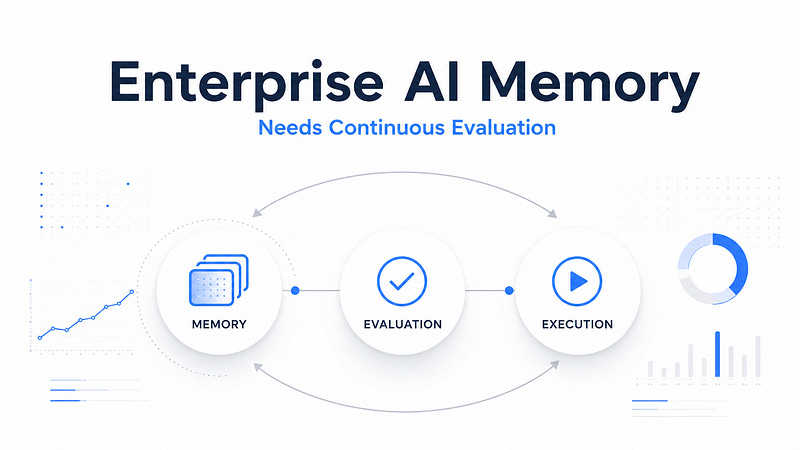
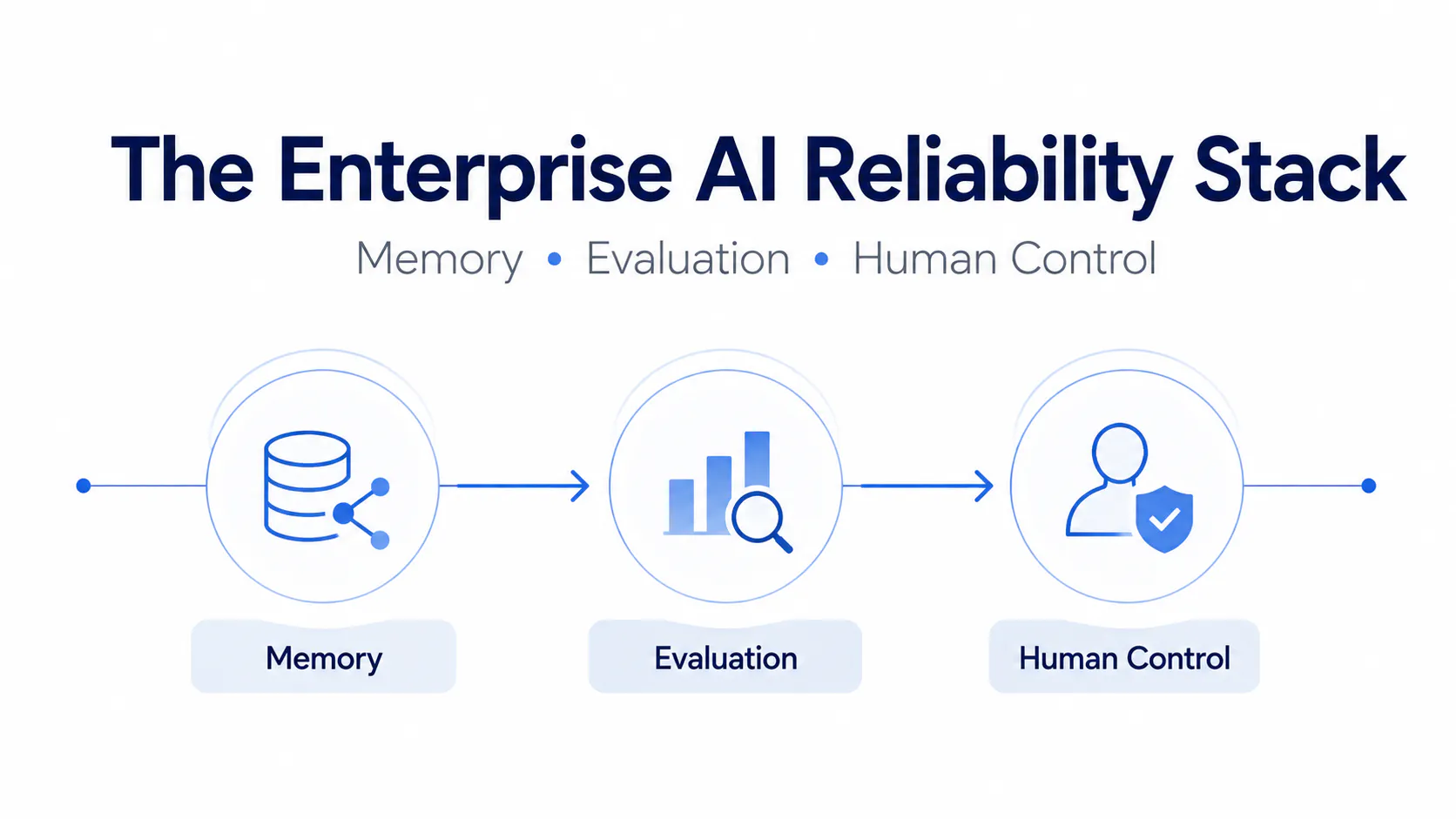
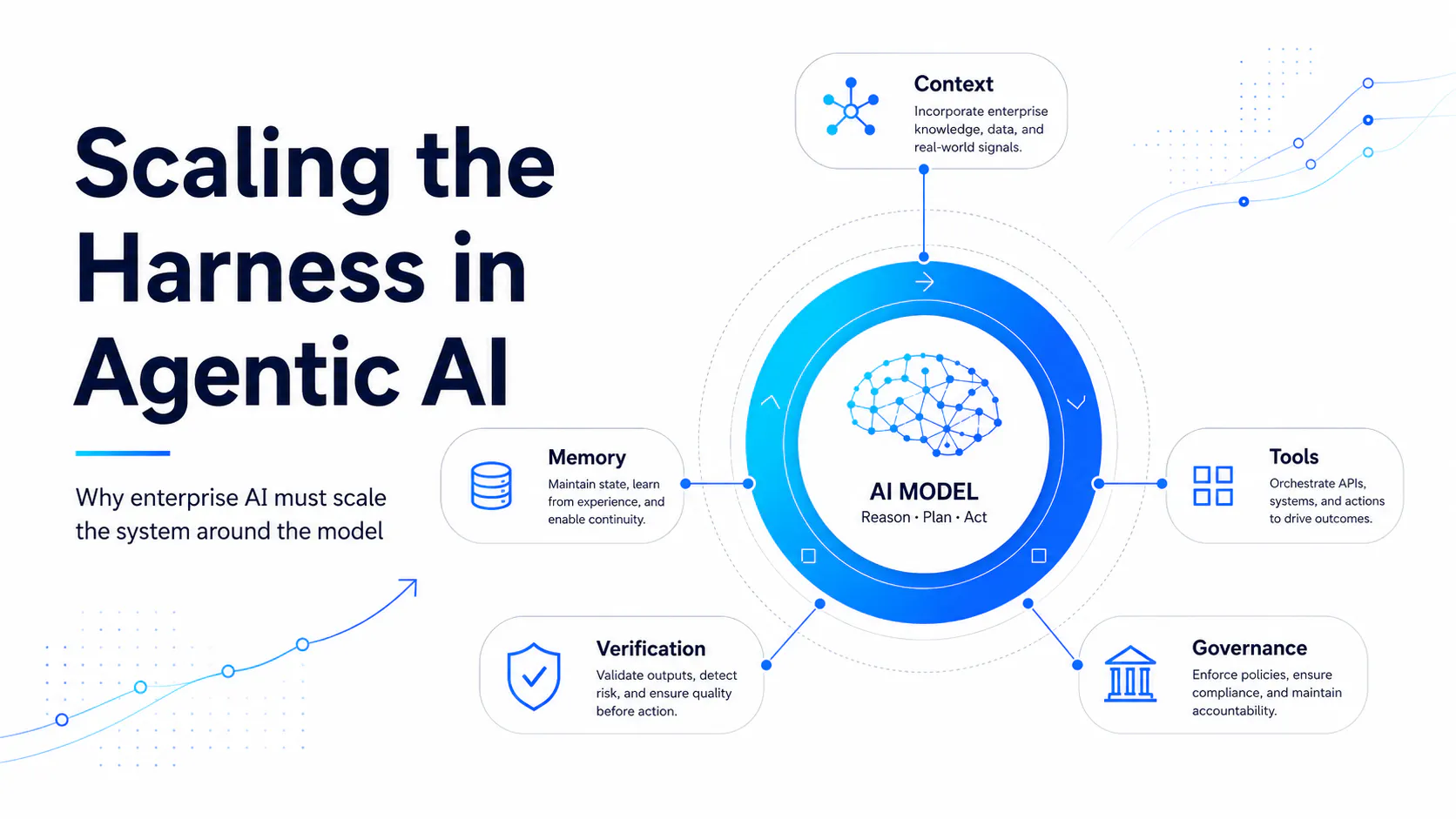
Enterprise AI becomes more useful when it can access organizational knowledge. It also becomes harder to govern. Reliable performance depends on connecting memory, evaluation, and human oversight into one operating system.
A common view is that AI evaluation belongs to engineering, while AI memory belongs to data architecture. That division looks efficient. It is also a governance flaw.
Once an AI system can retain customer context, prior decisions, user corrections, workflow history, or operating rules, yesterday s output can influence tomorrow s action. A weak answer is no longer a one-time quality issue. It can become stored context, shape another recommendation, and spread through a business process.
They need a better system for deciding what deserves attention, what requires action, and who owns the next move.
This distinction matters because information overload is often misdiagnosed as a document problem. Companies respond by adding dashboards, search platforms, reporting tools, and AI assistants. These systems make information easier to access, but they do not always make decisions easier to reach.
The strongest argument against adding more governance to enterprise AI is simple: governance slows execution.
AI markets move quickly. Competitors are launching new services, employees are adopting generative tools, and business units are under pressure to automate. Adding investment committees, approval gates, and portfolio reviews can look like a return to slow corporate decision-making.
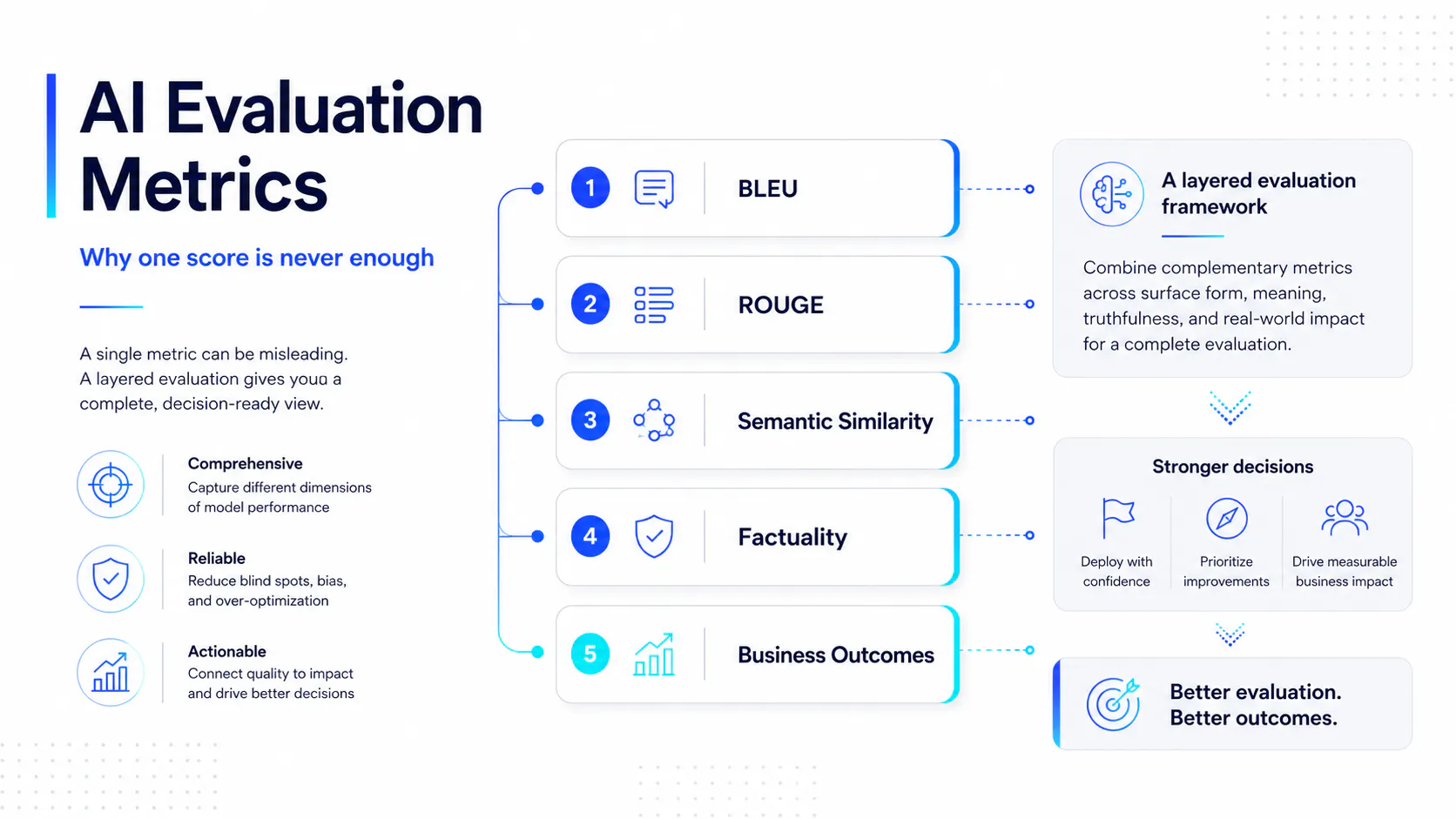
Some AI teams argue that metrics such as BLEU and ROUGE belong to an earlier era of natural language processing. Modern language models can paraphrase, reason across documents, and generate answers in many valid forms. A metric based on matching words may seem too limited for such systems.
That criticism is valid, but removing lexical metrics creates another problem.
Enterprises still need fast, stable, and low-cost ways to detect changes in AI output. BLEU and ROUGE can support that need. The mistake is not using these metrics. The mistake is treating one score as proof that an AI system works.
AI memory does not replace human expertise. It only becomes useful when expert knowledge gives it context.
Most companies already have too much information: documents, SOPs, meeting notes, chat history, CRM records, reports, and dashboards. The issue is not storage. The issue is that people cannot find the right knowledge at the right time, or they do not know which source to trust.
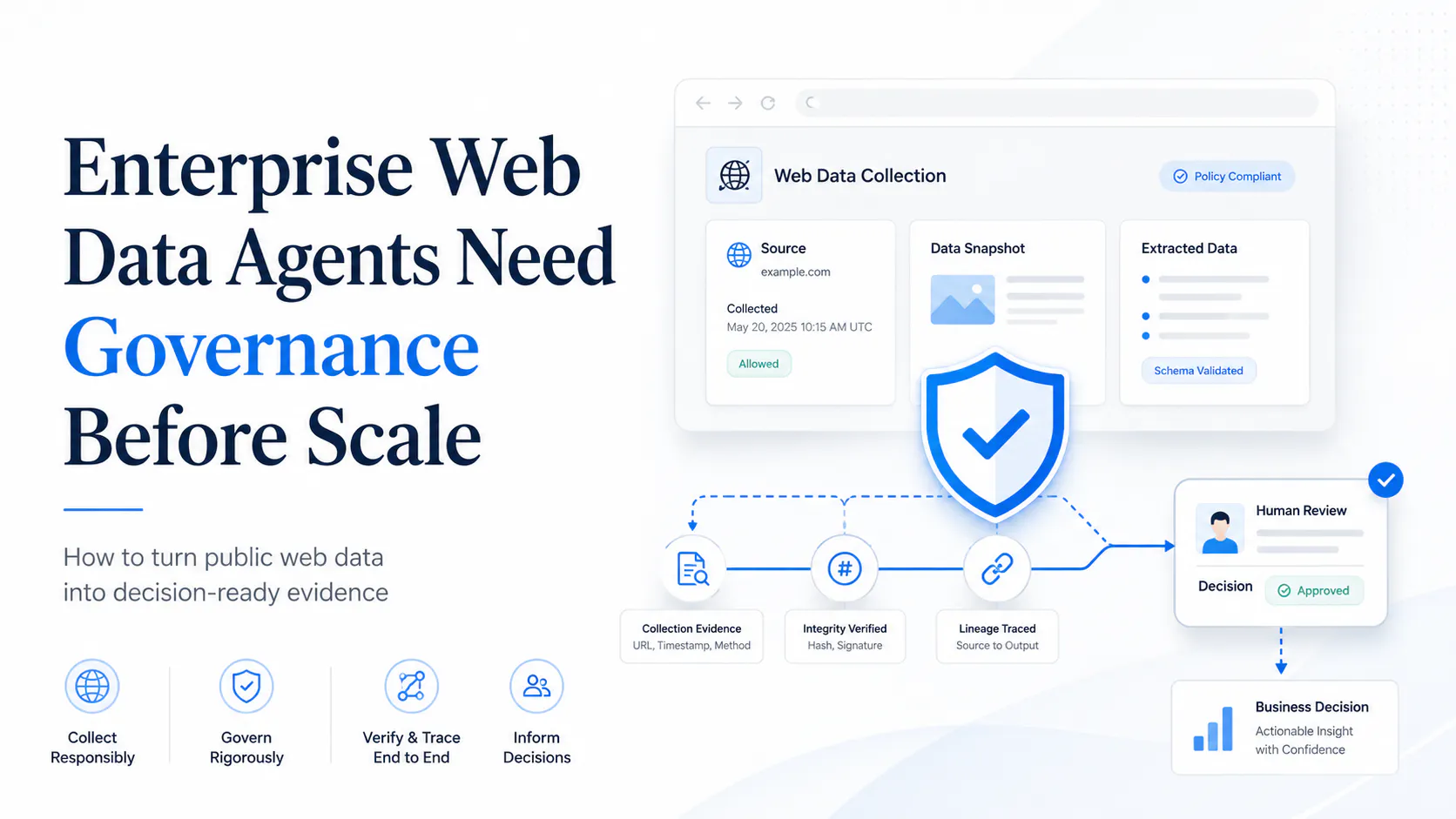
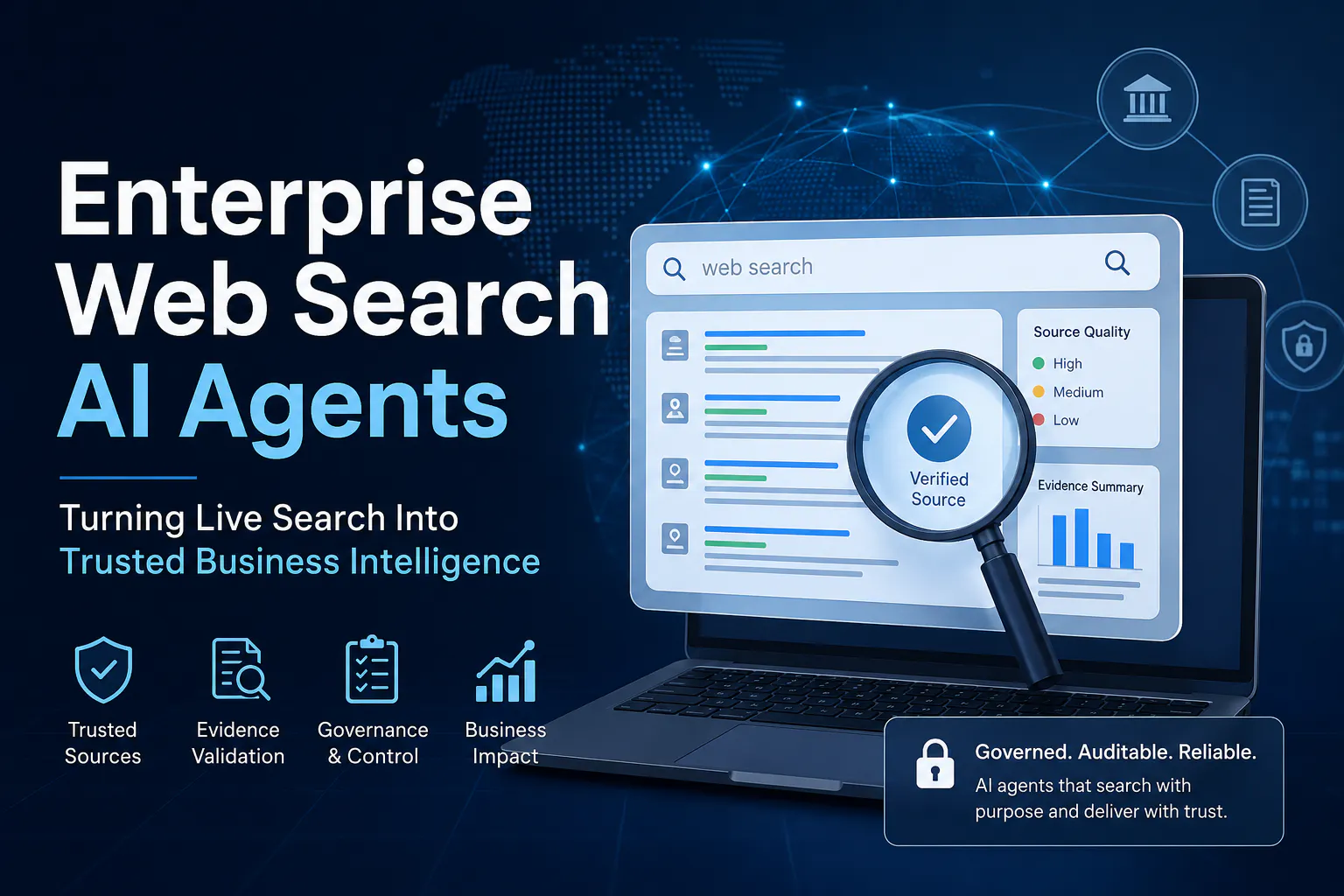
Web search AI agents can look useful because they retrieve live information. But that strength also creates risk.
The open web contains outdated pages, weak sources, biased vendor claims, duplicate content, and SEO articles that rank well without adding real evidence. If an AI agent uses these sources without control, it may produce answers that sound precise but fail under review.