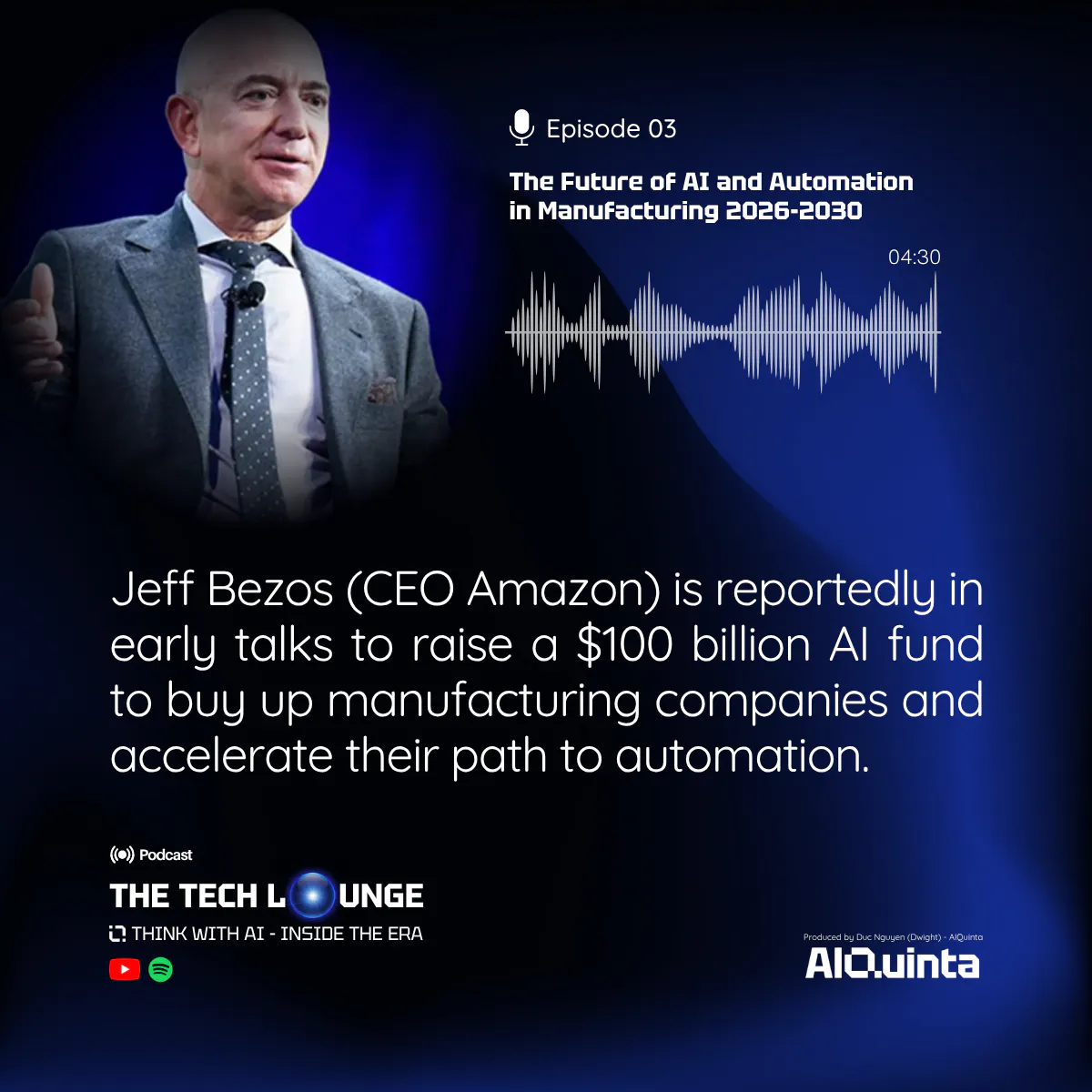
"Jeff Bezos (CEO Amazon) is reportedly in early talks to raise a $100 billion AI fund to buy up manufacturing companies and accelerate their path to automation." The race for the factory floor is accelerating. As AI transitions from cloud software to physical, autonomous agents, massive capital is flowing into hard tech ecosystems. The goal isn't just to upgrade old assembly lines it is to completely dominate the next industrial revolution and secure global supply chains. In Episode 03 of The Tech Lounge, we explore why this astronomical push for AI-driven automation is quickly separating the market into "Future Fit" leaders and everyone else, and what a $100 billion investment shift means for the future of manufacturing. Episode 03: The Future of AI and Automation in Manufacturing 2026-2030 Listen now on YouTube & Spotify _______________ THE TECH LOUNGE: Think with AI - Inside the Era New episodes every Thursday 4:30 PM. Available on YouTube & Spotify.
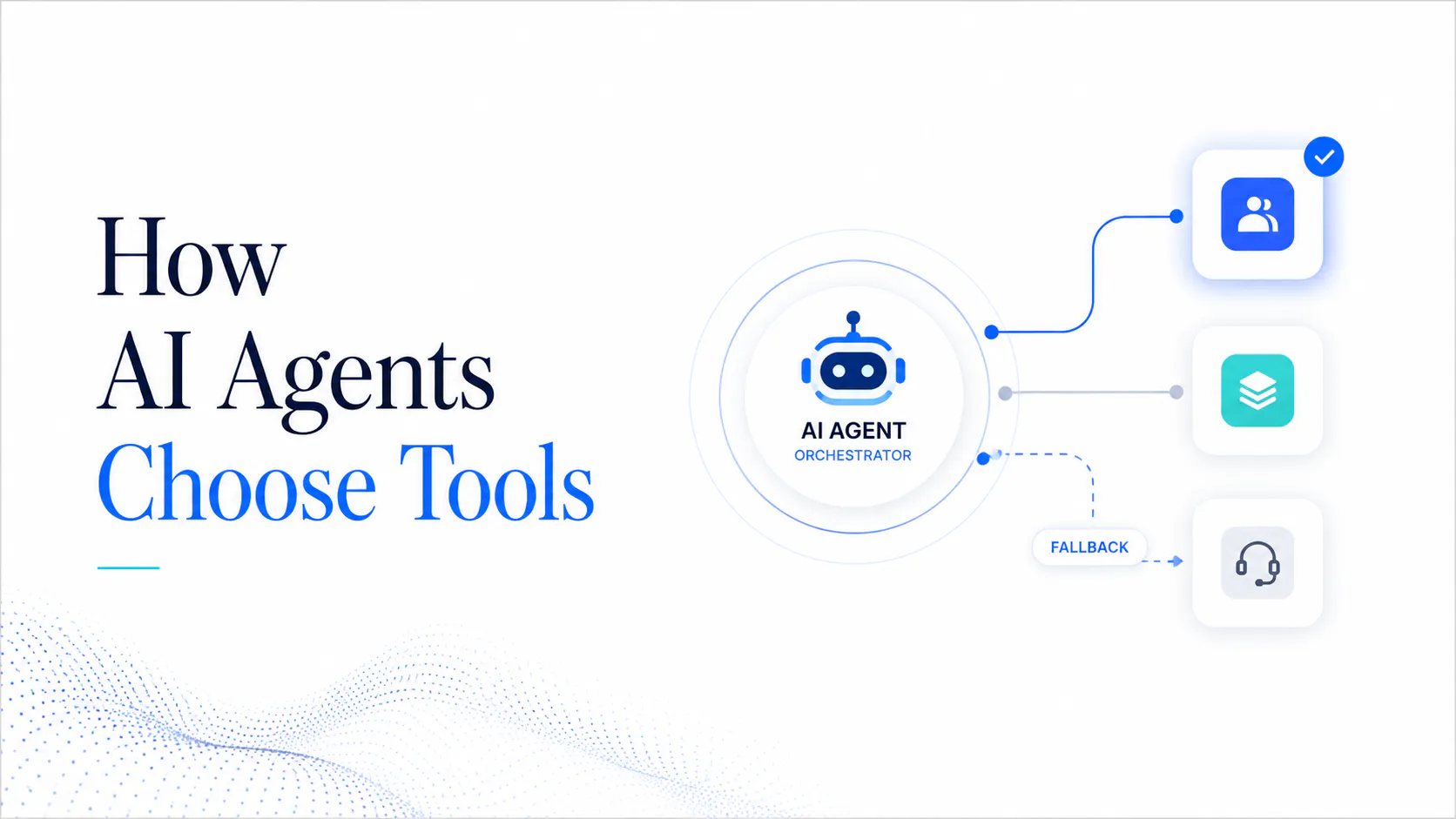
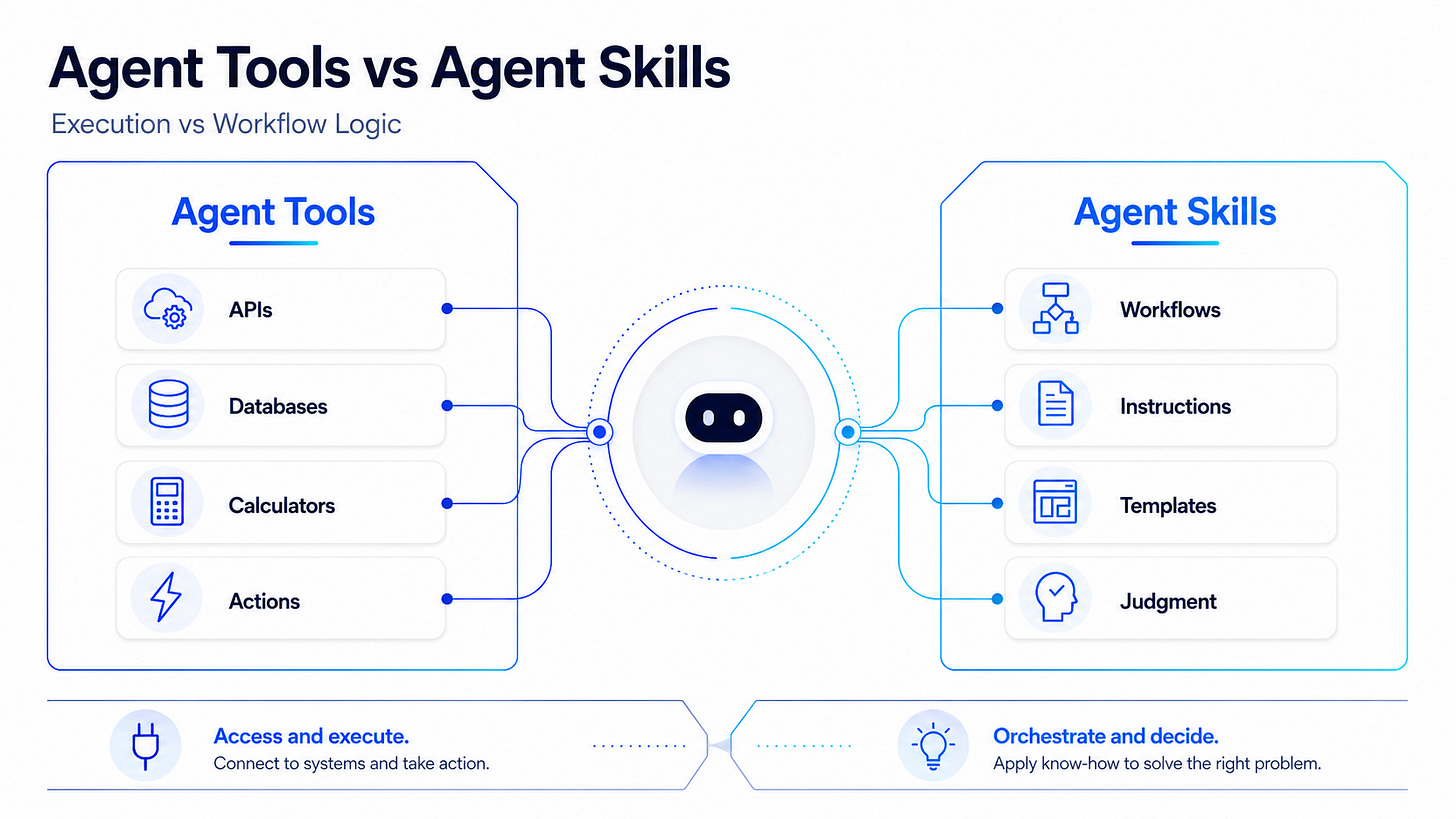
AI agents do not become useful just because they have access to many tools. In enterprise workflows, the real value comes from choosing the right tool at the right time.
AI agents do not fail only because the model is weak. In many enterprise projects, the larger failure point sits outside the model: unclear tools, vague inputs, loose outputs, and poor error handling.
A prompt can tell an agent what to do. A tool schema defines what the agent is allowed to do, what data it must provide, what result it should expect, and what happens when execution fails.
That difference matters. Once an AI agent connects to CRM, ERP, finance systems, workflow tools, databases, or internal knowledge bases, it stops being a chatbot. It becomes an execution layer. At that point, prompt quality alone is not enough. The business needs a clear operating contract between the model, the application, and the system being called.
A secure agentic workflow requires scoped skills, explicit permission manifests, risk-tier controls, and separated execution environments to prevent over-permissioned agents from moving across systems or user boundaries.
Most enterprise AI pilots fail at the same point: they can generate a good answer, but they cannot take reliable action.
A chatbot can summarize a document, draft an email, or explain a process. An AI agent needs to do more. It must check live data, call a business system, extract values from a file, update a workflow, create a report, or trigger the next step in an operation.
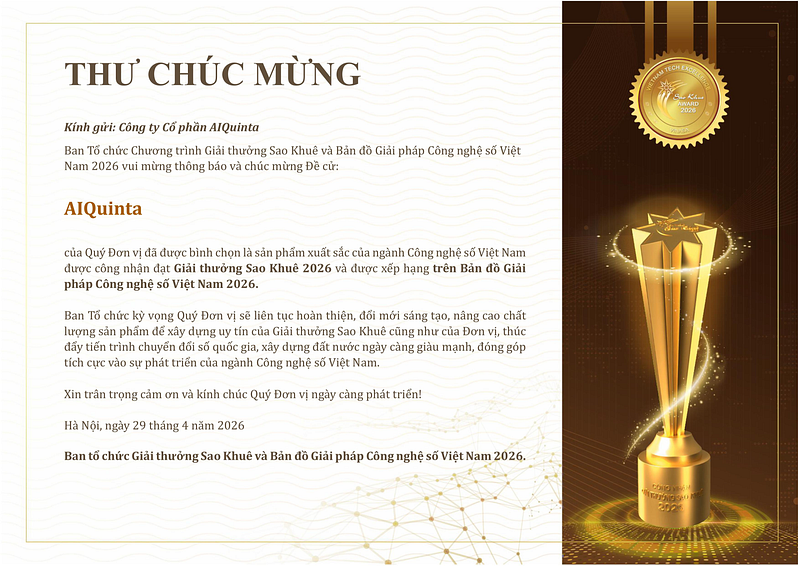
AIQuinta has been recognized as an outstanding digital technology product in Vietnam, marking a key milestone in its enterprise AI development journey.
Hanoi, Vietnam, June 28 AIQuinta today announced that it has received the Sao Khu 2026 Award and has been listed on the Vietnam Tech Solutions Map 2026. The recognition highlights AIQuinta s continued progress in building enterprise-grade AI solutions that support digital transformation, operational intelligence, and scalable AI adoption for businesses.
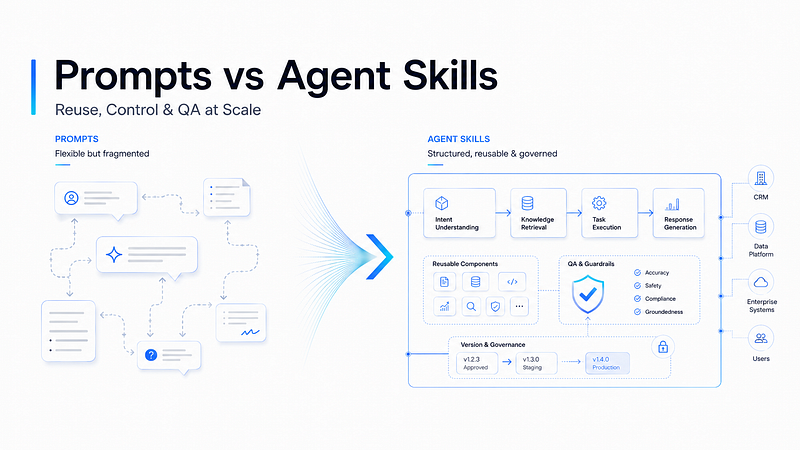
The strongest counterargument is clear: enterprises may not need a separate concept called agent skills at all.
If an AI agent can call APIs, run functions, query databases, send emails, and retrieve files, why add another layer? From an engineering view, tools already give the agent what it needs to act. Adding skills may look like extra architecture, more documentation, and more governance overhead.