An automatic video recap can start with a game, interview, documentary, vlog, or film. The detail that carries the story changes with the source. In a sports recap it might be a defensive move that opens a pass; in an interview it might be the qualification that makes a quote accurate.
Take an hour of footage and a three-minute target for a first-time viewer. My first requirement would be to list the moments that change what happens next, then point the editor to the visual or spoken evidence for each. In the fictional film example in the diagram, a shot of the mark on a key explains why the detective chooses that door.
I would ask the automatic editor for a first version with editable shots, narration and captions. Then I d ask a reviewer why the next action happened. If their answer depends on seeing the original, restore the missing evidence or adjust its timing.
For makers who ship video tools, which input would you ask editors to supply first: must-keep story beats, source timestamps, or a short note explaining the audience? What would you leave for review after the first edit?
Everywhere I look, people say build in public to grow your product and audience. Sounds great except when you re starting from zero and literally nobody cares yet. From what I ve figured out, it s less about getting likes right now and more about leaving a trail, progress updates, decisions you ve made, even mistakes. Most of it will get ignored in the moment, but it builds a record that people can stumble on later. Also, public doesn t have to mean blasting it to Twitter. It could be small niche communities, Reddit threads like this, or a tiny newsletter. Basically, don t measure it by immediate engagement. Think of it as planting seeds for your future self. Anyone here actually started with no audience and made build in public work? What did you do?
I had a customer who never complained. Used the product daily for two years. Never opened a ticket, never sent feedback, never asked for anything.
Then they cancelled. No warning. No explanation I could see. I emailed them asking why, mostly out of pride, and they told me something I still think about.
I started noticing that every piece of machine written content has this unnatural symmetry every single paragraph wraps up neatly with a tidy conclusion, and there is never a messy edge or an unresolved thought. Real humans ramble change directions mid-sentence or leave opinions hanging. The moment I started checking for "loose ends" instead of grammar errors spotting automated text became effortless.
How do you usually catch AI content before it gets published on your site?
I see many countries promoting social media to raise the age for using it (e.g., Australia, the UK, etc.).
The sad thing is that some parents are already giving their toddlers a tablet to "entertain" them. This hurts the child's brain development. Not to mention when they get on social media and are exposed to various trends.
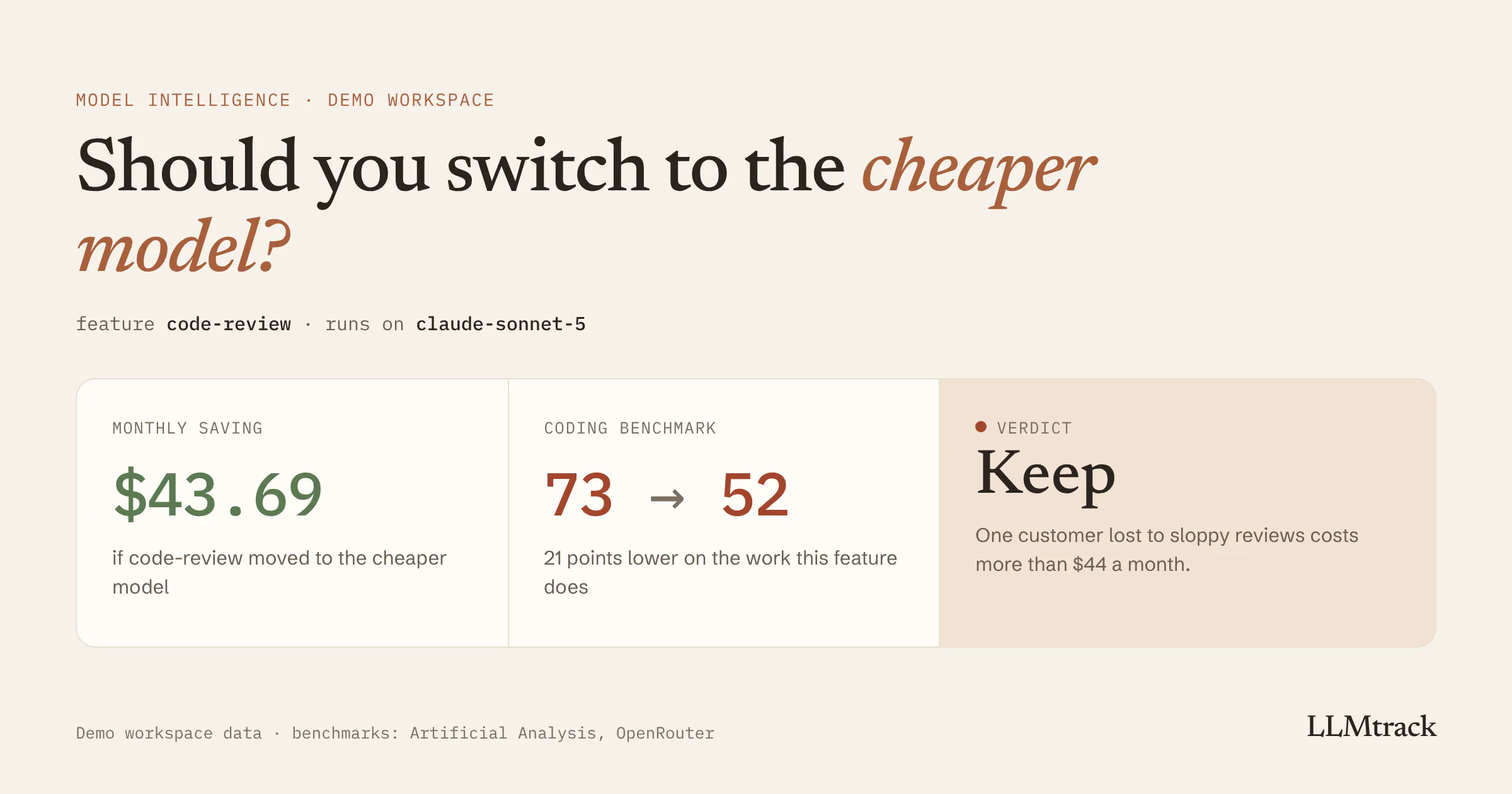
Within one provider, the cheapest and most expensive model tiers can be about 20x apart per token. So once one AI feature is most of the bill, moving it down a tier looks like free money.
The saving is easy to work out: price the feature s real token counts on both models and subtract. What you give up is harder to see. Overall leaderboards average across very different tasks, and a model can rank well overall and still drop sharply on the one thing your feature does.
WhatsApp is posting numbers that no other app comes close to. It leads the world in addictiveness at 87% DAU/MAU and stickiness at 86% month-one retention, all while having 2.7B monthly users, the most of any non-preinstalled app.
A new Sensor Tower breakdown of the top 25 apps by these metrics reveals some surprising patterns. There are now 15 apps with over a billion users, and Google and Meta own 12 of them between them.