
gm and happy friday, friends! In today's issue of the Leaderboard, we're diving into: Midjourney's big response to OpenAI's image hype, an app that combines music and therapy into one, a tool for all you movie buffs, and a discussion about degrees in business.

The latest Midjourney update adds better coherence, faster generations with a new Draft Mode, and smarter prompt interpretation. It’s built to be more responsive, more accurate, and cheaper to run when you’re just experimenting.
🔥 Our take: Midjourney's always been good at making things pretty. Now it's trying to make things make sense. V7 is less about style and more about control—fewer weird limbs, more intentional results, and a draft mode that finally lets you experiment without burning all your credits on one nose.
Jammy Chat recommends tracks based on your current mood using a simple, conversational interface. It’s not pulling from your listening history—it’s reading the room (your room).
🔥 Our take: Letting an AI DJ your feelings is either deeply comforting or slightly cursed. Jammy doesn’t care what you usually listen to. It wants to know how you’re doing right now and then plays the emotional soundtrack. Vulnerable? Sure. Weirdly accurate? Sometimes uncomfortably so.
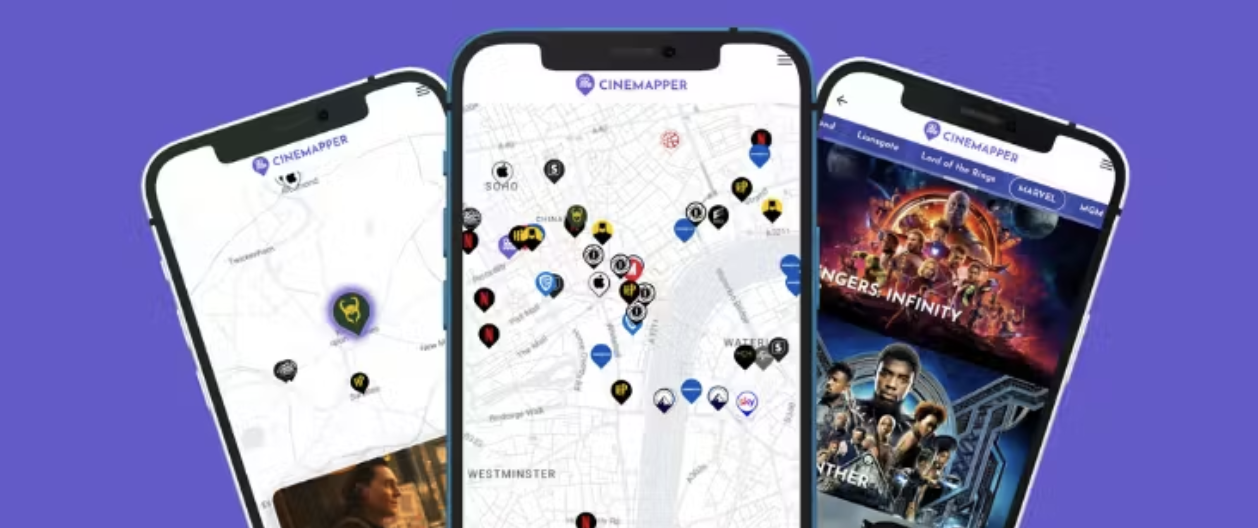
CineMapper is an interactive map that shows you where iconic movie and TV scenes were filmed. From blockbusters to cult classics, you can explore real-world locations tied to the stories you love—and maybe plan a detour on your next trip.
🔥 Our take: It’s not just for superfans. CineMapper scratches that weird itch when you're watching a scene and wonder, “Wait, where is that?” Now you can find out, zoom in, and maybe even go stand where it happened. Just don’t reenact the fight scenes in public.
TRENDING IN THE FORUMS
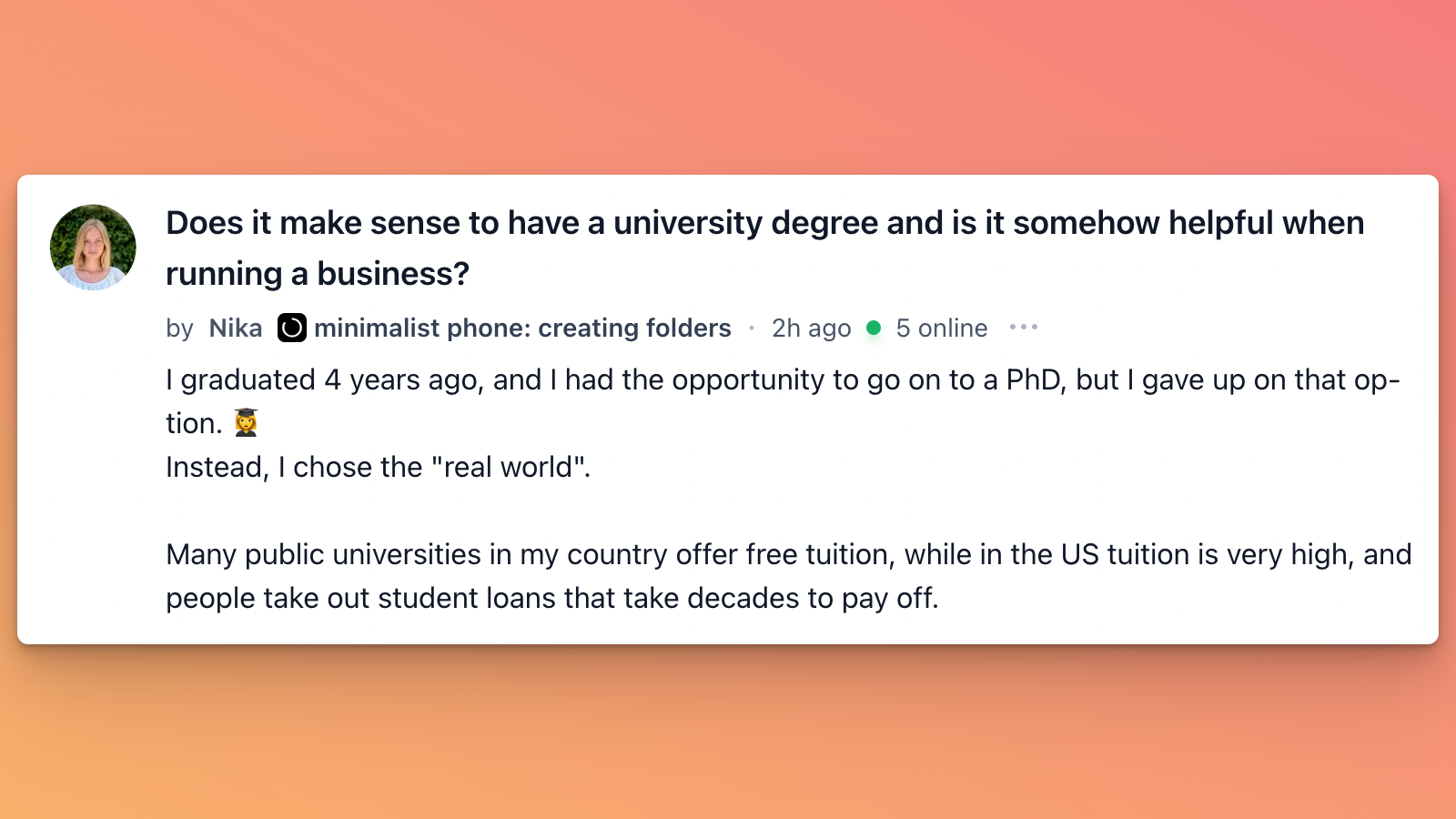
That’s what Nika asked—and the responses were anything but one-sided.
Some said the structure, network, and credibility of a degree helped them early on. Others skipped school, started shipping, and never looked back. A few pointed out the irony: government jobs require degrees, but startups that pay more don’t care.
One takeaway? School might buy you time. But momentum tends to come from actually doing the thing.
Weigh in—does the degree help, or just delay the real work?
Yesterday's Top Products

 54 •
 Artificial Intelligence


