

Your content is becoming indistinguishable from your competitors. Here is why.
A study from UNSW Sydney tracked content similarity across 388 keywords in 2019 and again in 2024. Content has become significantly more homogeneous. AI-generated pages now dominate the top rankings, but they all look and sound alike
"If the humans are not involved anymore, what does this mean for the industry in the future?" asked Professor Thomas Reutterer, who led the research.
A Graphite/Common Crawl analysis found that 86% of articles ranking high on Google Search are human-written. AI-generated content gets more impressions, but people still do not engage with it the way they engage with human-written content .
The human premium is not nostalgia. It is a measurable advantage in trust, engagement, and conversion.
Why this is happening
AI models are trained on the same top 10 search results. They optimize for the same patterns. They pull from the same sources. The result is not better content. It is more content that sounds exactly like everything else.
Professor Reutterer puts it bluntly: "If the humans are not involved anymore, what does this mean for the industry in the future?"
The answer is not encouraging. When AI models train on AI-generated content, they eventually collapse. Not hallucination. Full degradation. After several generations, the output becomes nonsense.
How Rankfender solves this
We built RCGE (Rankfender Content Generation Engine) to generate content that gets cited, not content that blends in.
Step 1: Research. RCGE analyzes the top 10 ranking articles for your target keyword. It identifies patterns. What structure do they use? What headers? What gaps are they missing? Not to copy them. To find where you can be different.
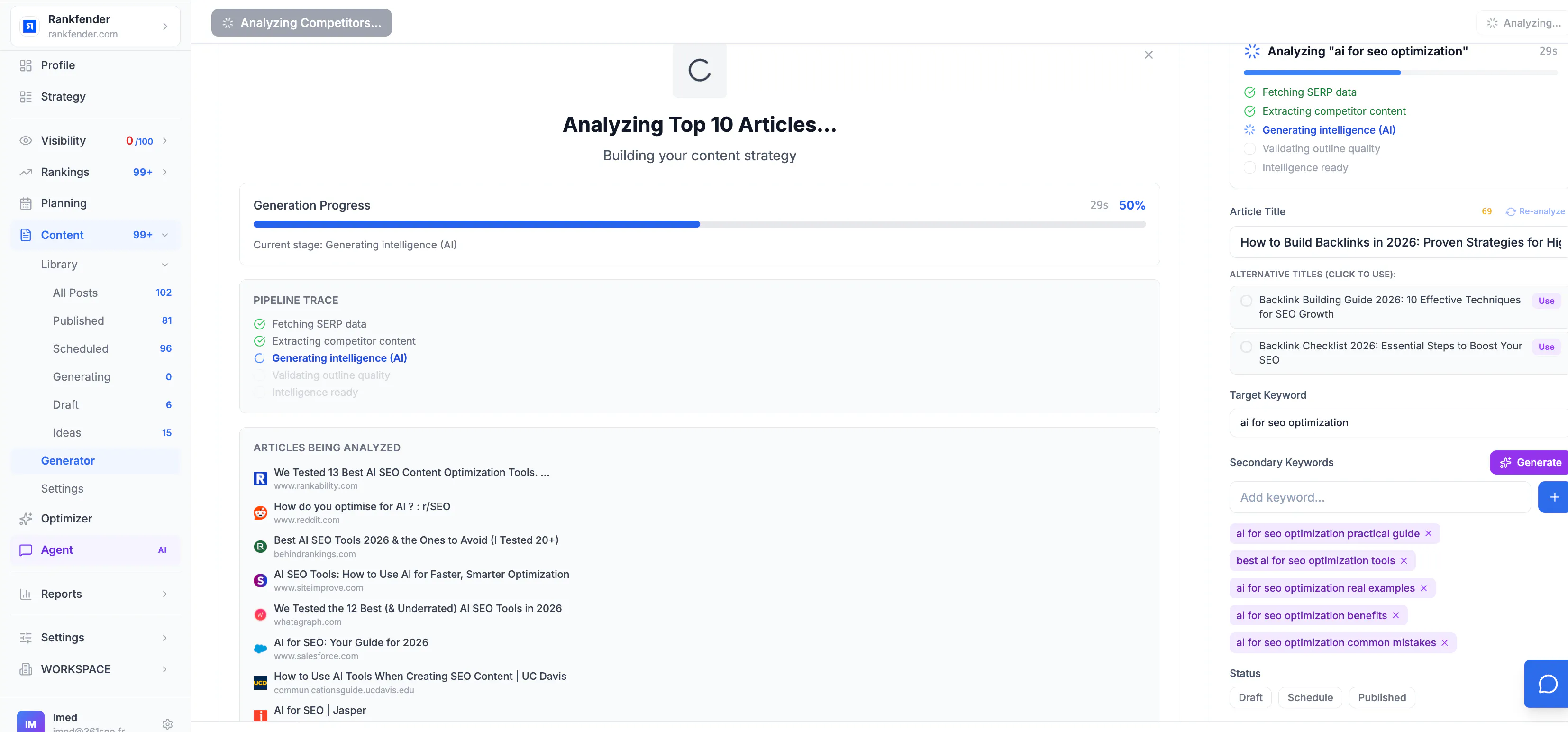
Step 2: Multi-agent drafting. RCGE deploys a small team of agents. One researches secondary keywords. Another analyzes winning patterns from search results. A third generates optimized content based on what actually works, not what is popular.
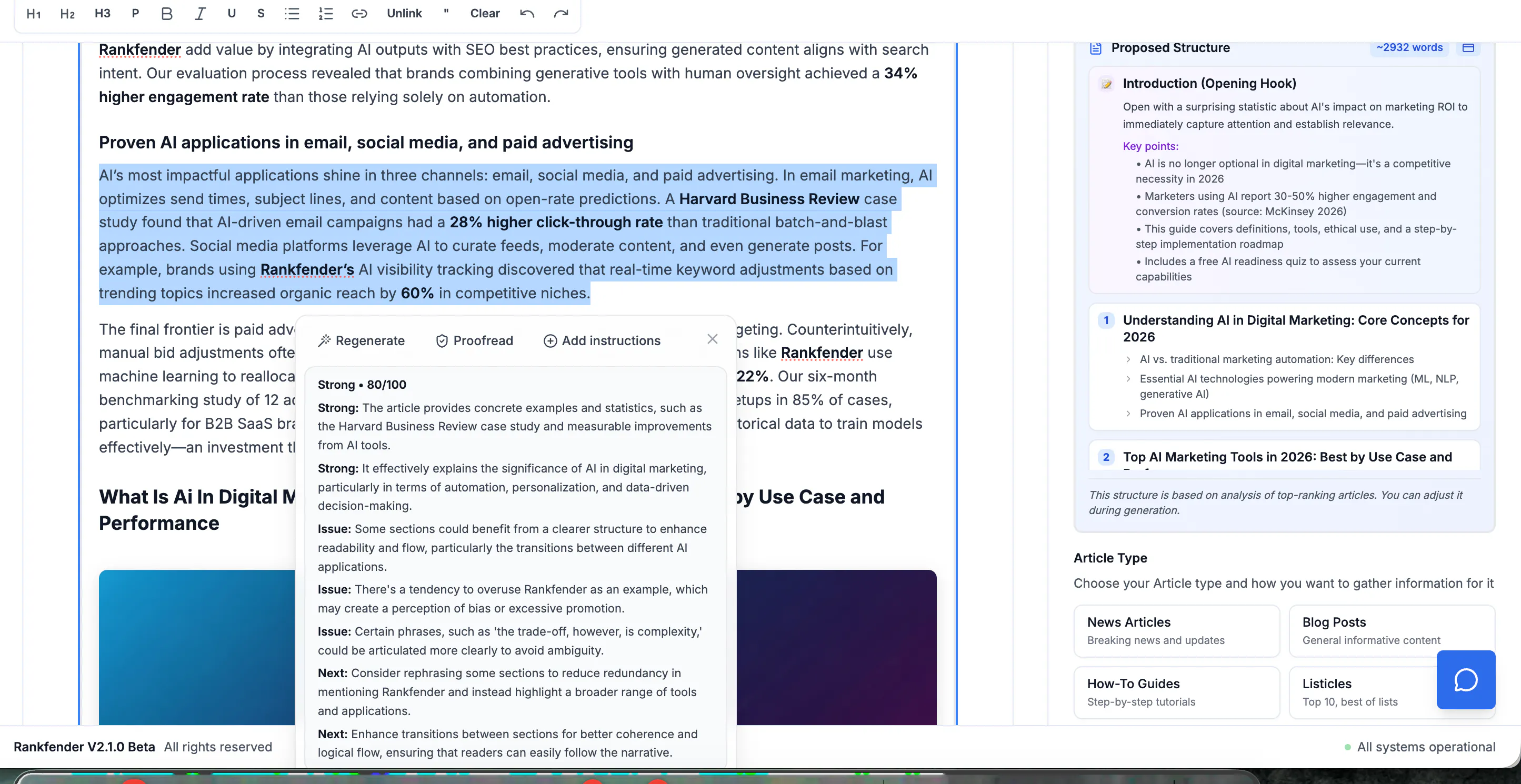
Step 3: Human review through the Proofreader. Every article passes through our Proofread Assistant before publication. It flags generic phrases, repetitive arguments, and content that adds nothing new. It forces you to add something original before you hit publish. A data point. A screenshot. A specific example from your own experience.
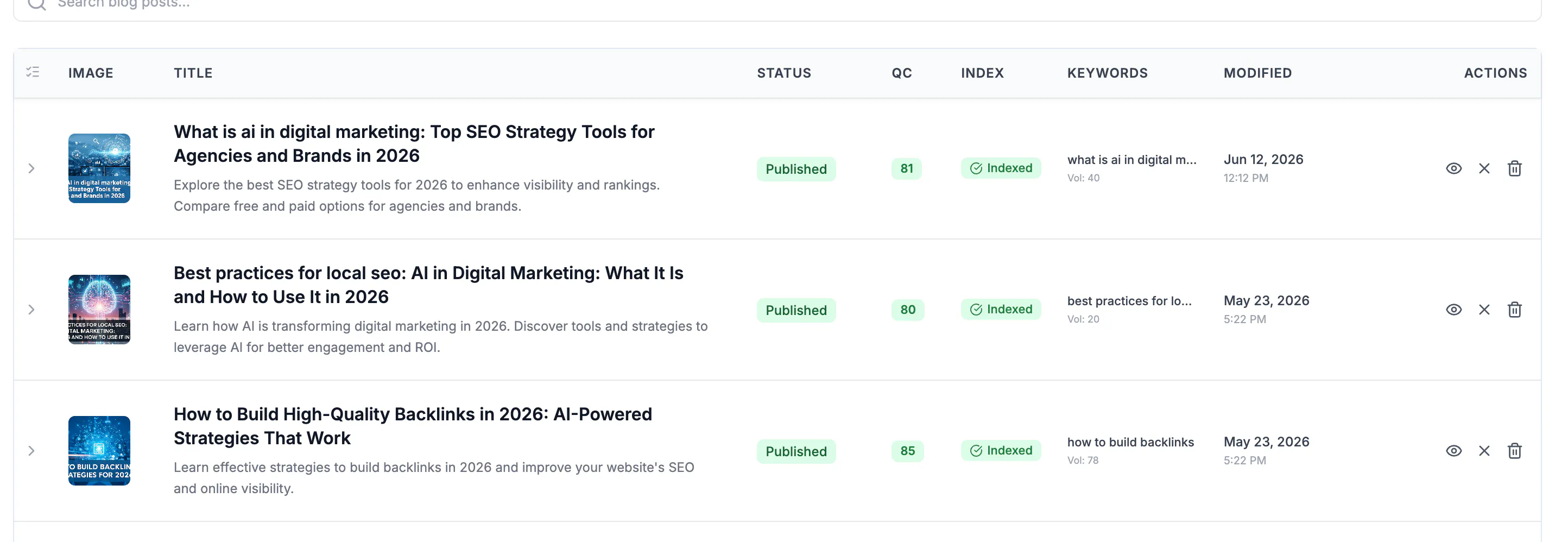
Step 4: Auto-publishing. Once approved, content publishes directly to WordPress, Shopify, or Wix through native integrations. No copy-paste. No manual formatting. Just one click .
The result
Content that is structured for AI extraction but voiced by a human. The AI handles the skeleton. The human adds the soul.
The human premium is not about doing everything manually. It is about adding the things AI cannot generate. Real examples. Hard-earned insights. A point of view that is not just a remix of the top 10 results.
What I am curious about
Have you noticed your content becoming more similar to your competitors over the past year? Not because you copied them. Because you are both optimizing for the same AI signals.
Imed Radhouani
Founder & CTO – Rankfender
rankfender.com
Replies
One of the reason it's all look same is that everybody are using AI tools and since AI models on same data basis. So the results are also out coming more homogeneous. Doesn't matter how much you put efforts in prompts. The core data base of LLMS' & MLM which they are trained is the one deciding factory.