

From #1 Product of the Day to Rebuilding the Product: What We've Learned at Swytchcode

Last November, @Swytchcode launched on Product Hunt and ended up as #1 Product of the Day.
At the time, our product looked very different. We were focused on a web-based integration experience and were still figuring out where we fit in a rapidly changing developer ecosystem.
A lot has changed since then.
Over the last few months, the team has spent countless hours talking to developers, watching how AI agents interact with APIs, and understanding where things break once an agent leaves the sandbox and tries to do something useful in the real world.
The biggest lesson?
The challenge is no longer getting AI to think.
The challenge is getting AI to execute reliably.
Agents are becoming increasingly capable. They can write code, plan workflows, analyze information, and make decisions. But when it's time to interact with production systems, things get complicated. Authentication expires. APIs fail. Retries create duplicate actions. Permissions become difficult to manage. Reliability becomes the bottleneck.
That realization changed our direction.
We stopped thinking of @Swytchcode as another integration tool and started building it as the layer between AI agents and production API Calls.
Today, @Swytchcode CLI handles authentication, retries, idempotency, policy controls, and API execution across 2,000+ APIs, allowing developers to focus on what their agents should do instead of constantly worrying about how integrations behave in production.
Since launching our CLI earlier this year:
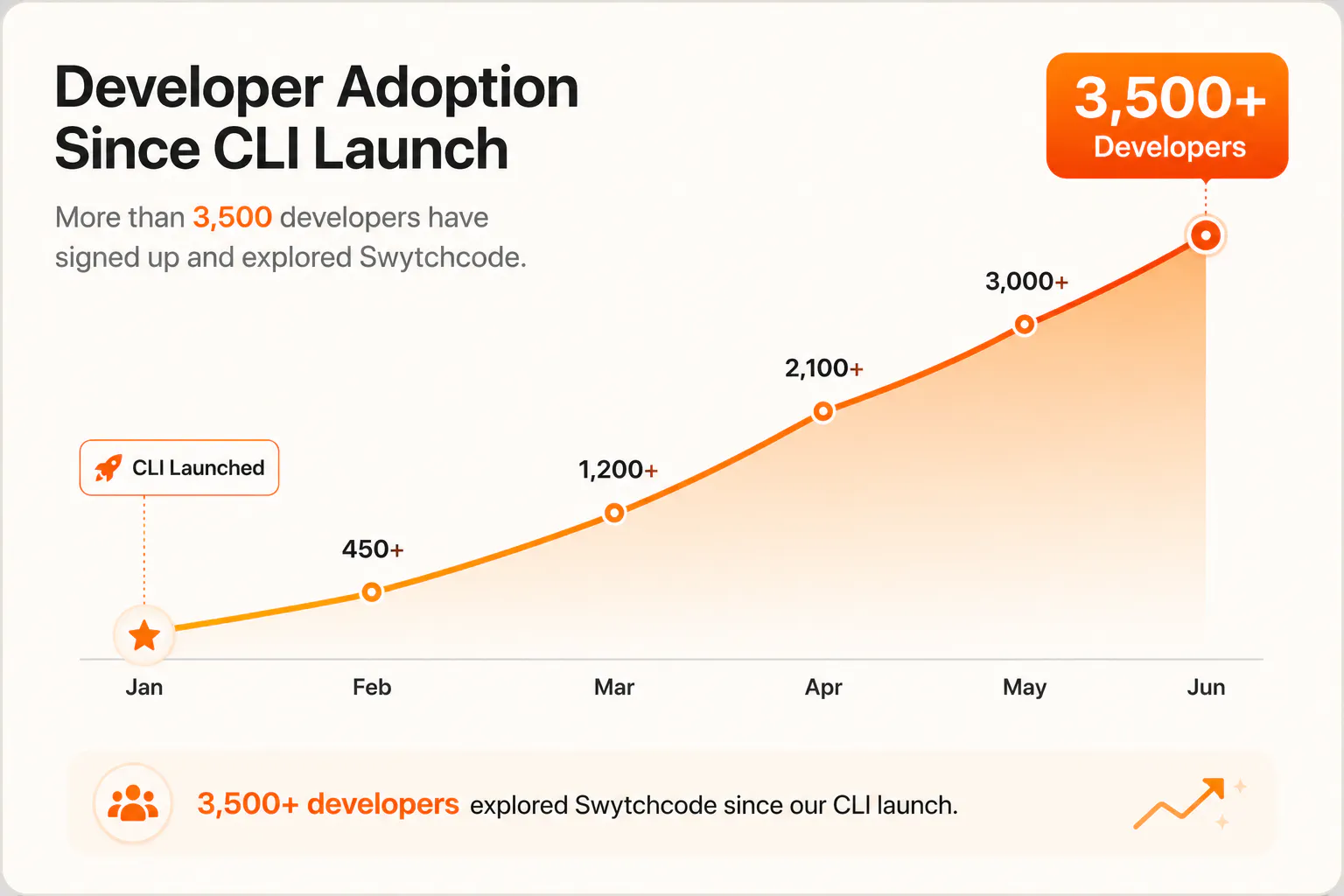
• More than 3,500 developers have signed up and explored @Swytchcode
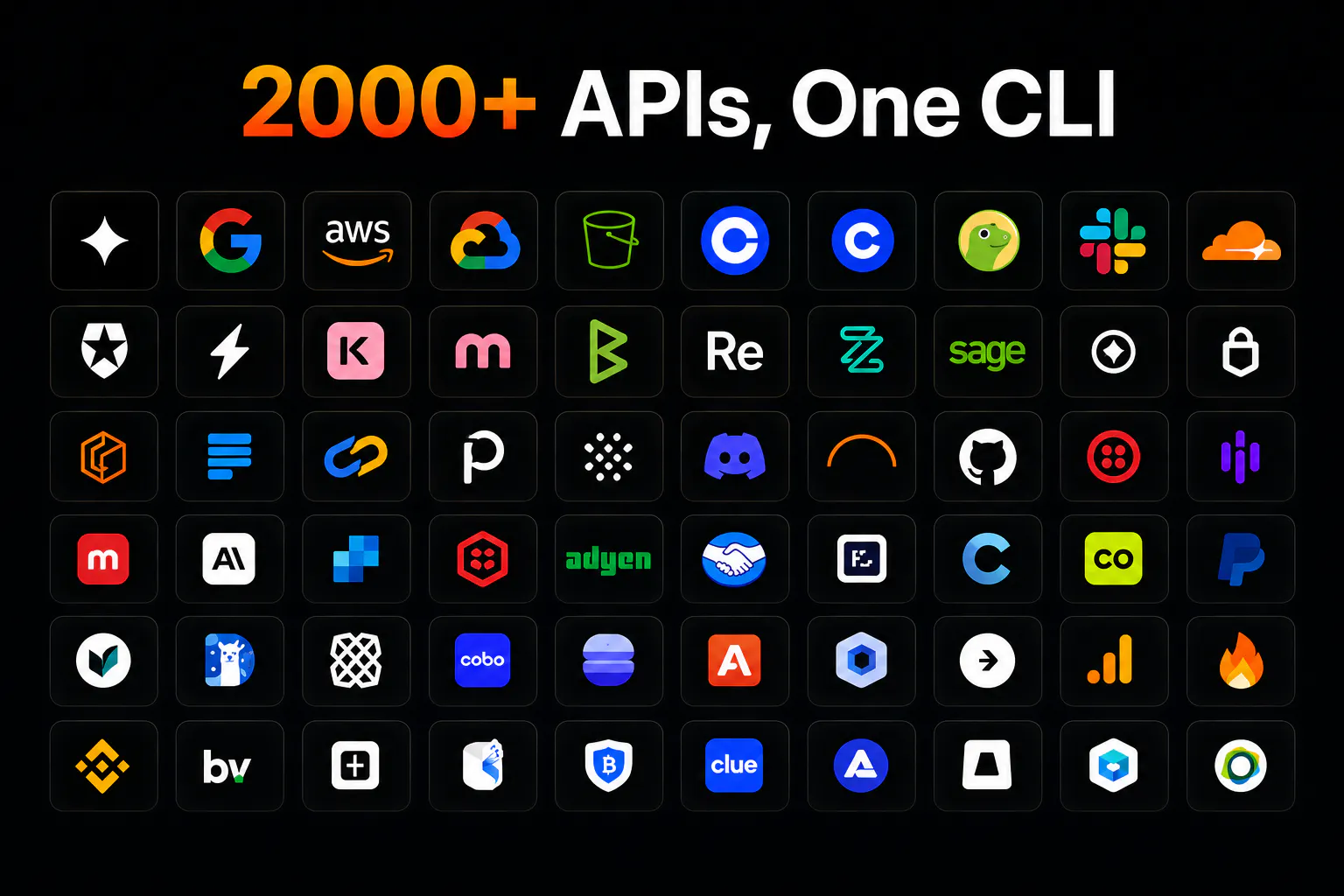
• We expanded our catalog to support 2,000+ APIs
• We built a CLI-first workflow designed for developers and AI agents
• We added support for OAuth and authentication management across integrations
• We've started working closely with companies and ecosystem partners exploring agent-driven workflows
What excites us most isn't any single metric. It's seeing a shift in how developers think about software. A year ago, the conversation was mostly about what AI could generate.
Today, the conversation is increasingly about what AI can actually do.
And that requires a different kind of infrastructure. Personally, this journey has been special for me as well.
I joined @Swytchcode as a DevRel Engineer. This upcoming launch will be my first time helping lead the launch process from the inside. Over the past few weeks, I've been talking with developers, writing content, gathering feedback, and learning just how much work goes into bringing a developer product to market.
One thing I've learned is that Product Hunt launches are not milestones. They're checkpoints.
The real work starts after launch. Every feature request, every support conversation, every failed assumption, and every unexpected use case shapes the next version of the product.
As we prepare for our next launch, we're not launching because the product is finished. We're launching because we've become much clearer about the problem we're solving:
Your agent works. Integrations don't.
Our goal is simple: make integrations invisible, reliable, and production-ready so developers and AI agents can focus on building instead of fighting infrastructure.
I'm curious to hear from other founders and builders:
What was the biggest lesson you learned after your first Product Hunt launch?
Replies
Swytchcode
Builder note : @chaitrali_kakde1 thank you for sharing our story brilliantly. I will add this, if integrations were a developer problem yesterday it is not translated to AI agents we see them struggling with it as well. When using 3rd party tools deterministic behaviour is expected and no breakage can be tolerated for production, our approach has always been to help developers save time and ship accurate integrations, in case of AI agents @Swytchcode makes that possible for both.