
 •
4mo ago
Built a no-login friendship quiz app that people can create in under two minutes
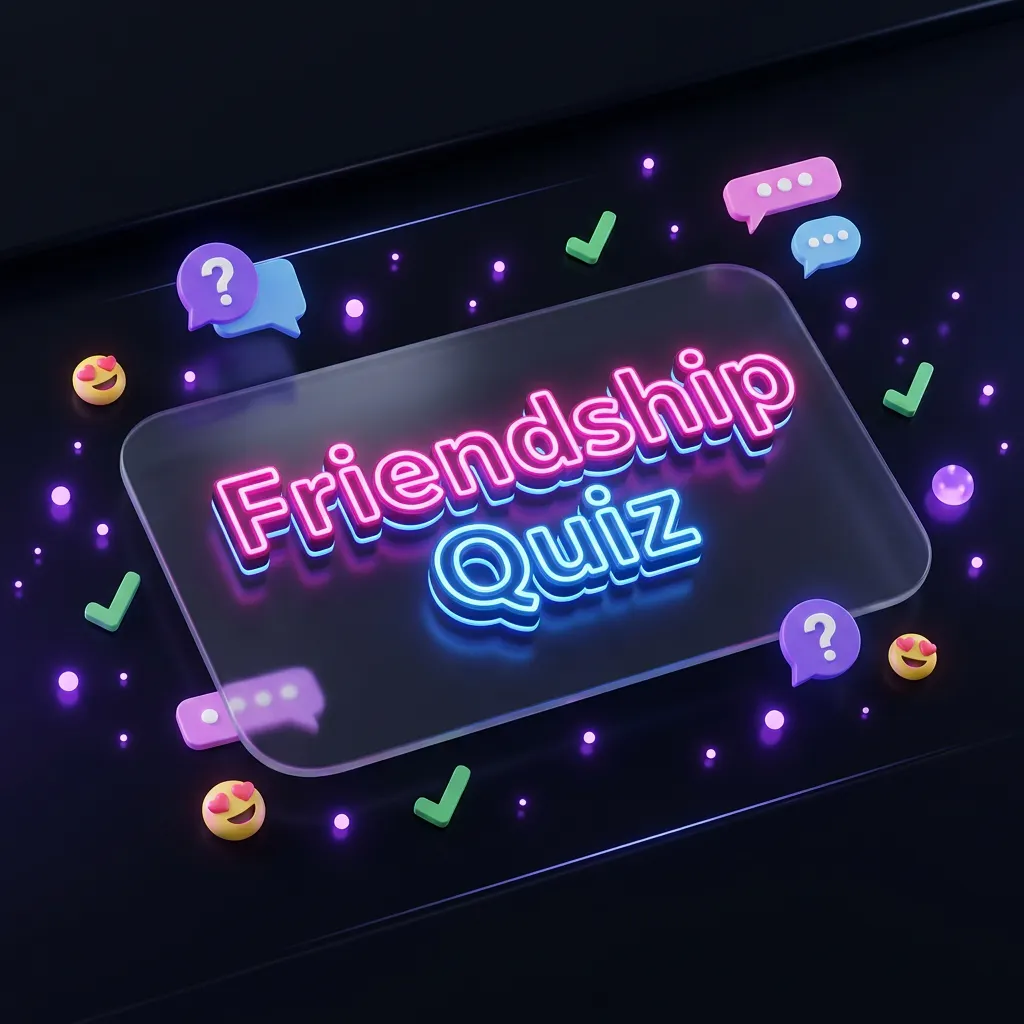
I recently built WhoKnowsMe, a web app where people can create quizzes about themselves and share them with friends.
The main goal was to remove as much friction as possible no sign-ups, no app installs, and no ads. The entire quiz creation process takes less than two minutes, and friends can join directly from a group chat.
 •
4mo ago
We manually tested 200+ APIs so you don't have to – Meet Apives.com
Hey Makers!
As builders, we integrate APIs daily. But finding reliable, actively maintained APIs with good documentation feels like searching for a needle in a haystack.
To solve this for myself and the developer community, I built Apives.com. It s a curated platform featuring over 200+ manually verified APIs that you can search and test directly inside the dashboard before adding them to your codebase.
No more broken integrations or zombie endpoints.
 •
4mo ago
Moving beyond the "constant connection" trap
 •
8mo ago
I got tired of scrolling through Gemini's code blocks — so I built a fix
I'm not a professional developer. But I've been using Gemini Pro heavily for coding, and one thing drove me absolutely crazy every time Gemini generated multiple code files, I had to manually scroll up and down, finding each block and copying it one by one. So I did what any stubborn non-dev does: I refused to accept it and built my own solution.
Gemini Code Harvester is a Chrome extension that sits on top of Gemini and gives you a floating panel with every code block from the last response. One click to copy any file. One click to download everything as a ZIP. No more scrolling. The whole thing was built with persistence and a lot of Gemini prompts which is kind of poetic given what it does.
What I love most isn't even the tool itself. It's the realization that you don't need to be a pro to solve your own problems. You just need to be annoyed enough.
 •
4mo ago
Built an AI tool that turns 18 questions into a 45-slide brand strategy - would love feedback
Hey everyone, I'm building TheSockle, an AI tool for founders who feel their brand messaging is inconsistent before they've even nailed the strategy.
You share context about your brand, answer 18 focused questions, and a workflow of specialized AI agents turns it into a 45-slide Strategic Brand Platform within 24h: positioning, messaging, visual direction, personas and a go-to-market plan.
 •
4mo ago
MY FIRST WEBSITE EVER!
Hello everyone! I hope u guys okay
so, I saw the other days some small shops and business owner have a problem with fee calculation and i said to myself why not build something that help with it.
I introduce you to https://lebanofee.netlify.app/
it helps with everyday transaction and many more!! Feel free and tell me what to add I will hear everyone in the comment.
 •
4mo ago
Visualible Is Now Available: A New Way to Read Difficult Books
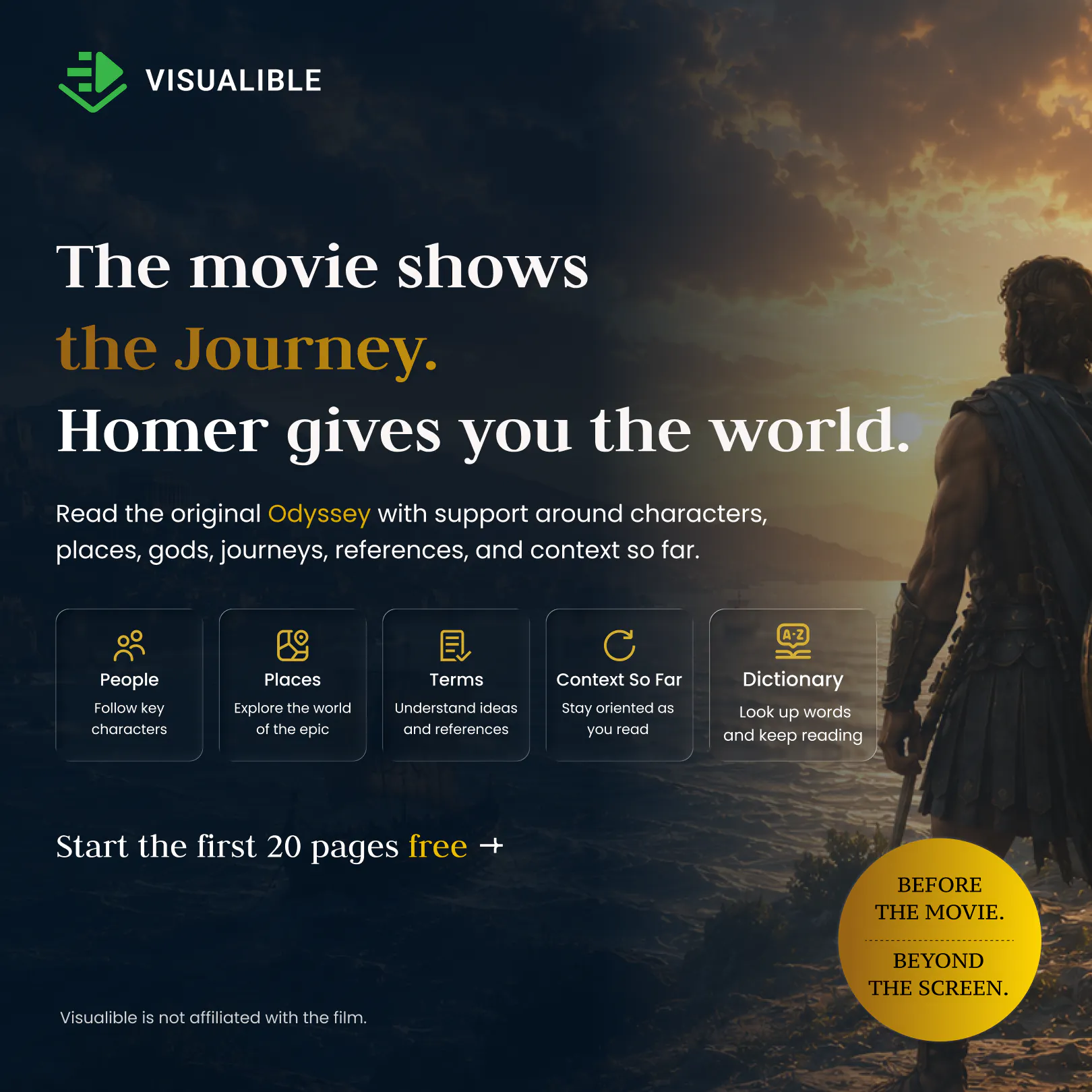
Curious about The Odyssey after the movie announcement?
The original epic is much bigger than any film can capture. Homer's The Odyssey is a world of gods, places, customs, disguises, family, hospitality, revenge, and ancient values. The biggest challenge for modern readers isn't the language it's staying oriented as the story unfolds.
At Visualible we believe readers should experience the original text, not a simplified version. That's why we provide optional context around people, places, gods, terms, and Context So Far, helping readers stay immersed without replacing Homer's words.
Start the first 20 pages free and experience The Odyssey in its original text, with support when you need it.
 •
4mo ago
looking for 3 agent-made HTML decks to test outside review
claude code/codex can make the deck. the weird part starts after i send it to someone else.
the note usually comes back as a screenshot + "slide 5 here", then i have to work out which version they saw and paste it back into the agent.
i've been testing that handoff with PreApp. one public single-file deck kept all 12 slides, button/keyboard nav, and exact text selection. a second deck used child iframes: playback worked, but precise selection needed slide anchors. that's the kind of edge case i want to find, not another polished demo.
looking for 3 people who already have a non-sensitive HTML deck or report from Claude Code/Codex. i'll help get the first link out, ask one real viewer for one note, pull it back into the agent, and follow it through v2.
 •
4mo ago
We built a browser-based viewer for uncommon file formats — looking for edge cases.
We built a browser-based file viewer that supports 20,000+ formats. Which file types are still the biggest pain for you?
 •
4mo ago
If your idea is actually good, why does saying it out loud feel like such a risk?
Genuine question: when's the last time you told someone a half-formed idea, out loud, before you had any proof it was good?
For most people, the honest answer is "never" or "not in years." And I think that's kind of insane if you actually think about it.
We're fine sharing finished things a product, a launch, a milestone. But the idea itself, in its rawest form? That gets buried. Written in a Notes app, a private doc, a voice memo at 1am and then quietly forgotten, because saying it out loud feels like exposing yourself to judgment before you've earned the right to be taken seriously.
I've been thinking about why that is, and I think it comes down to a few things:
We've been conditioned to believe an idea is only valuable once it's "validated" funded, built, or at least half-executed. Until then, it's treated as worthless, even embarrassing to admit out loud.
There's an unspoken rule that sharing an unfinished idea makes you look naive, or worse, like you're inviting someone to steal it.
Most platforms reinforce this. LinkedIn wants a milestone. Twitter wants confidence. Nowhere really wants "I have no idea if this is good, but here it is."
So ideas just... die quietly. Not because they were bad, but because there was never a low-stakes place to say them out loud and see what happens.
This is something we've been obsessing over to the point that we ended up building something around it. It's called Dvoider, and the whole premise is treating the raw idea itself as something worth putting out there, not just the finished product.
There are two parts to it. D Lab is where you post the idea in its rawest form no deck, no pitch and get an AI-generated breakdown of it (market context, risks, what's missing), plus visibility to people who might actually want to build it with you. D Stage is for after that posting the actual messy process, not a highlight reel. The three signups. The button that changed color that you're calling "a huge update." Things that feel too small or embarrassing to post anywhere else, but are honestly the most real part of building something.
The bet we're making is that most people don't lack ideas they lack a place where sharing an unfinished one doesn't feel risky. We're a couple weeks into testing that with real users now, and so far the ideas coming in have had exactly that "not sure if this is good but here it is" energy we were hoping for.
Curious what this community thinks:
Do you actually share your raw ideas with anyone before they're built? Who?
What stops you fear of judgment, fear of theft, or something else entirely?
Has anyone here built something specifically to solve this? Did it work?