What if most AI alignment problems are actually communication alignment problems?
Humans already struggle to align because we don't all process information the same way.
Some optimize for precision.
Some optimize for social cohesion.
Some optimize for speed.
Some optimize for certainty.
AI inherits the same problem at scale.
I've been developing a framework called RPCS-1 to model these differences as continuous variables instead of categories.
Looking for feedback from researchers, developers, and curious skeptics.
rpcs1.dev
What's the biggest communication failure you've seen between humans and AI?
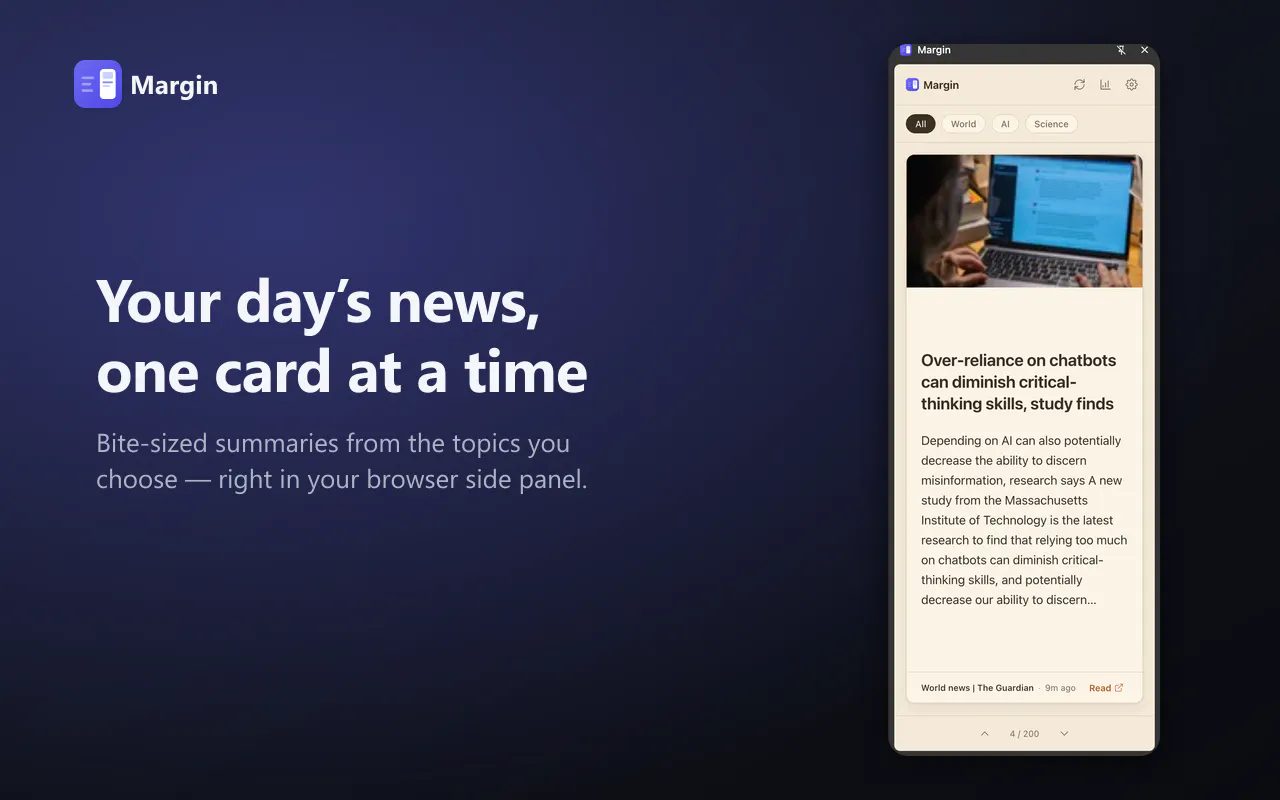
Just launched Margin on Product Hunt a Chrome extension that turns the side panel into a swipeable stack of news cards. Pick your topics, get a headline + short summary per card, tap through to read the full article at the source.
I built dits, a minimal Android launcher for people who are genuinely tired of their phone hijacking their attention.
Most minimal launchers just remove icons and clean up the grid. You still see 10 apps staring at you the moment you unlock your phone. The impulse is still there. dits works differently.
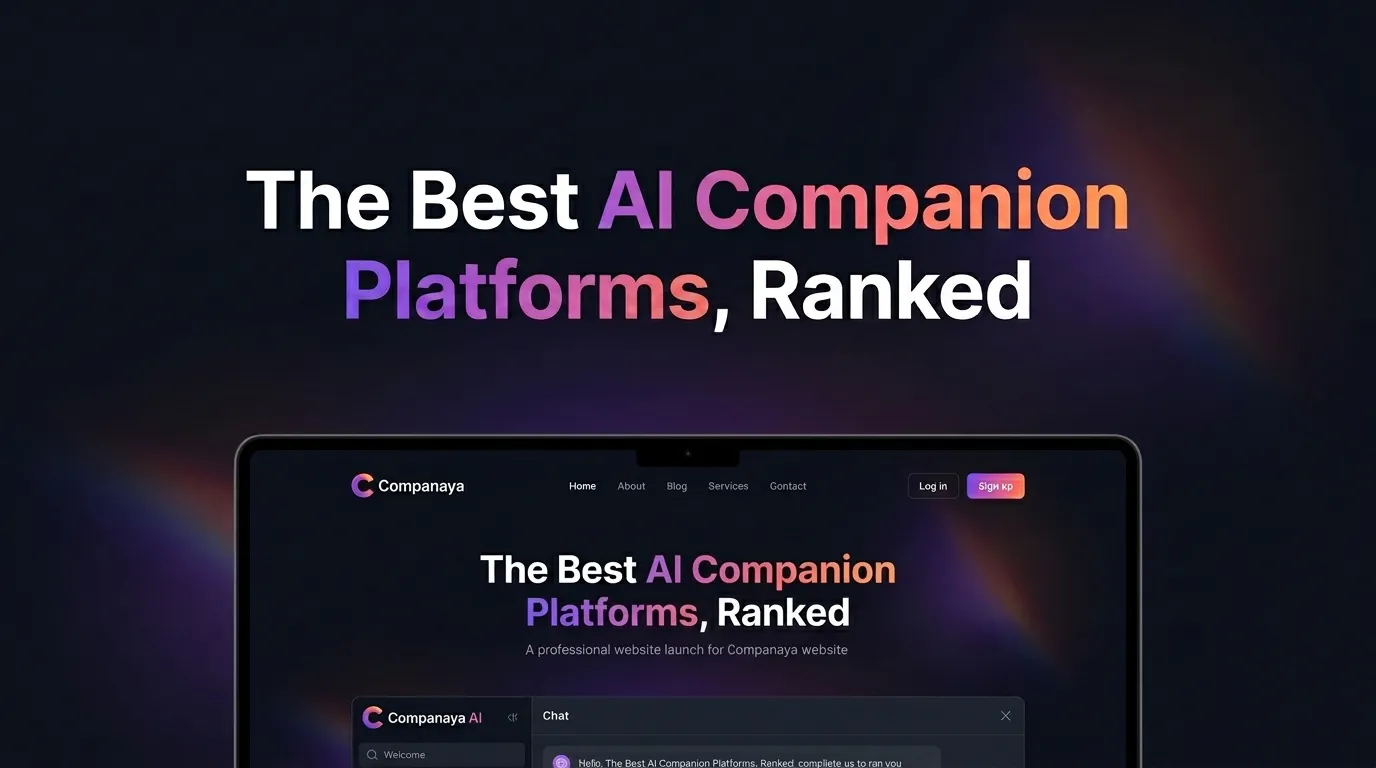
I built companaya.com, an independent AI companion review site.
Every platform tested for 30 days minimum. Real pricing breakdowns including hidden credit costs. Memory tested by planting 10 details in week one and checking recall at day 30. Honest scores that don't change based on affiliate relationships.
I built a Shopify competitor analysis tool called MakerPeek. It s simple, and it works. Live on Chrome web store or find it at makerpeek.com Find out your competitors best sellers, pricing distribution, activity, and more. Take a look? It s free
I build in crypto, and I keep coming back to one structural thing that I think generalizes past my space, curious if it maps to yours.
When a protocol gets hacked, it gets talked about as one event. It is actually two emergencies happening at once, and they barely overlap.
The protocol's emergency: pause the contracts, trace the funds, pull in security firms, coordinate, get a statement out. All correct, all about the protocol surviving. That plays out over hours and days, and that is the right pace for the protocol.
The user's emergency is completely different and runs on a different clock. Did this touch my wallet. Did I approve that contract. Is my money still there. What do I do in the next ten minutes. The user panics in minutes and gets a pinned post and a link to a chat room. The fast emergency ends up waiting on the slow one.
I run a one-person company, so LinkedIn was supposed to be free distribution. Instead my reach sat flat for almost half a year. The reason took me embarrassingly long to see: I was writing X posts and pasting them onto a platform that rewards the opposite behavior.
X rewards the quick hook and the clever one-liner. LinkedIn rewards dwell time. The algorithm watches how long someone actually stays on your post, so a punchy tweet that earns a like and a scroll-past is a signal that you are not holding attention. Once I started writing for dwell instead of clicks, things moved.