I'm currently learning React and the problem I always have when learning something new but especially anything related to code is the endless amount of resources the web has, it's a blessing and a curse as it's hard to pick a resource and go along with it. Where would you recommend a beginner to start?
I think finding good design references is the easy part. Figuring out what to take from them is much harder.
For example, you find a dashboard with a really clean layout. But is it good because of the spacing, the information hierarchy, or simply because it has less data than your product?
I've been thinking about a few things worth checking before borrowing a design pattern:
Context: What problem is this design solving, and is it similar to ours?
Structure: Does the layout still work when the content gets longer or more complex?
Interaction: What happens in empty states, errors, or when users need to go back?
Tradeoffs: What did this product simplify or leave out to make the experience feel clean?
I've tried Reddit posts, a few Discord communities, and cold DMs. Most responses were polite silence. The few people who did respond gave feedback that was too vague to act on. "Looks cool." "Nice idea." Nothing that changed what I built.
The problem isn't finding people it's finding people who care enough to tell you something uncomfortable.
So for those who got past this stage: where did your first 10 users who actually gave actionable feedback come from? Not "post on Twitter," a specific channel, a specific approach, a specific thing that worked. And the harder follow up: what did you do with the vague feedback before you found the useful feedback?
As a founder building a hardware + app product (InvisOutlet Pro launching soon ), I ve found myself going way too deep on tiny details most people will never think about: icons used in our app, length of screws, even how the packaging folds.
Some of these details make a huge impact others? Maybe just to me
I have been thinking a lot about how AI is quietly transforming the way we work, not replacing jobs entirely, but definitely reshaping them.
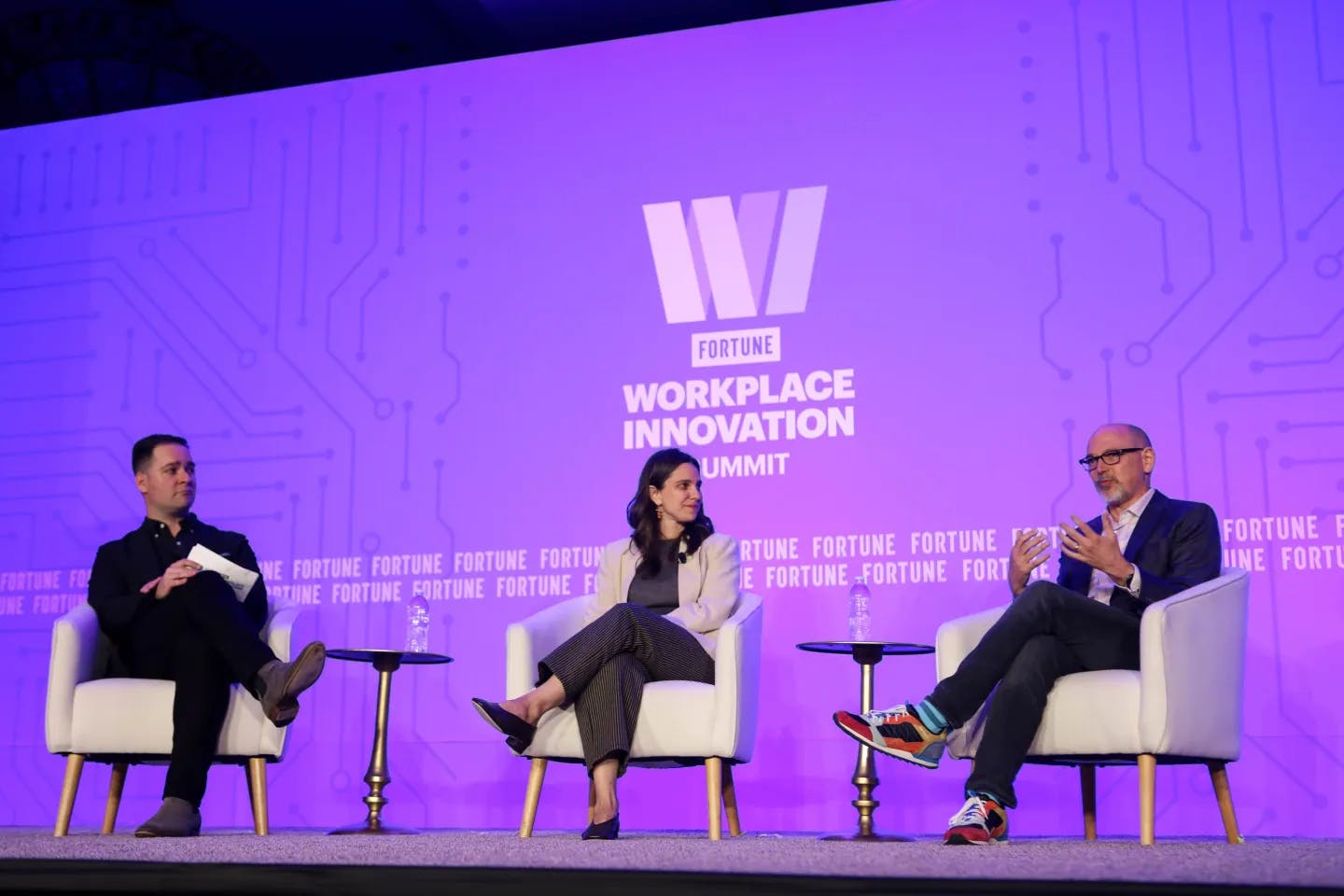
At a recent Fortune summit, the CEO of Indeed said AI can now handle over half the tasks in most roles. But no single job can be fully automated. OpenAI s Chief People Officer even called it a reimagination of work.
In 1972, five people left IBM to start SAP and the word "ERP" didn't exist for another 18 years. I think AI work tools are at the same stage: lots of products, no shared abstraction yet.
My bet on the missing piece: "conservation of responsibility" every agent action should trace back to a human who authorized it, with an auditable record. Until that exists, AI at work stays stuck in pilots.
To work more efficiently and productively, we usually create some familiar patterns (habits) that shorten our time doing tasks (saving time and energy). This is also indirectly related to tools that make the work process easier.
What does your workday look like + tech tools without which you would not be productive?
For us at wcrd.me, we are trying to get people to connect faster and engage in two way communication , rather than an email every two weeks. Tell me, what are you working on that you see an opportunity others aren't taking?
Rich Dad Poor Dad author Robert Kiyosaki I can read this book every month and at any time. The overarching theme of Rich Dad Poor Dad is how to use money as a tool for wealth development.
I spent a full week forcing myself to use just one plain app for all my daily notes tasks and bookmarks instead of jumping between three specialized tools.
I was shocked by how much of my old "work" was actually just manually syncing data between apps and tweaking productivity layouts.