


Mixpanel

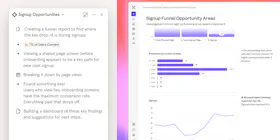
Mixpanel shines when product analytics is the main job, not one module in a broader platform. It’s built around fast, intuitive exploration of funnels, retention, cohorts, and segmentation, which can make day-to-day analysis feel more straightforward for a wider set of teammates than a more developer-centric toolkit like PostHog.
The interface is designed for self-serve workflows, so PMs, growth, and even marketing stakeholders can reliably answer questions without pulling engineers into every dashboard request. Real-time reporting is a core strength, helping teams validate experiments, spot conversion drops, and iterate quickly.
Mixpanel is a strong fit when you want analytics polish and a predictable product analytics “center of gravity,” rather than an all-in-one platform that also spans other product infrastructure needs. The main trade-off is that costs can rise with scale, so it’s best when the organization is comfortable paying for a premium analytics experience.
Best for
Best for product and growth teams that want best-in-class self-serve funnels, retention, and cohorts.
Standout features
- ✓Powerful cohorting and segmentation
- ✓Real-time funnel and conversion insights
- ✓Retention analysis built for iteration
- ✓Clean UI for non-technical users
- ✓Straightforward event setup


