One thing we kept noticing while building AI products: coding agents can generate features extremely fast, but they still don t understand what users actually need unless someone manually translates feedback, support issues, analytics, and product discussions into actionable specs.
So we built Cleo AI at Axcelner to solve that operational gap for small AI-native B2B teams.
Cleo acts as a Product Ops agent that connects customer signals, product usage, support conversations, and team workflows into a single execution layer. Instead of manually triaging feedback across Slack, Jira, GitHub, analytics tools, and support tickets, the system continuously organizes and converts them into structured product actions.
I ve been exploring a rules + LLM approach where you write plain-text rules (any language) and the system makes approve/flag/reject decisions in under ~500ms, with priority to resolve conflicts.
What I d love feedback on:
Is priority the right way to resolve rule clashes (e.g., Personal Attack 0.9 > Verified 1.0 auto-approve)?
I ve spent the last decade as a UI/UX designer building safe, corporate apps, websites and general designs for other people. But whenever I tried to find a habit tracker for my own life, I always hit the same wall.
Most of them feel like a coloring book. They rely on cute little badges, streaks, and toxic positivity. I didn't want a tool that tried to "motivate" me; I wanted a system for pure discipline. Something that felt like a mission briefing.
Since I couldn't find it, I bootstrapped it myself. Meet WAR MODE.
Hello, i'm the developer of a platform to manage your entire business, from invoicing, to crm, to stats and financial report (and a lot more, go check it out). The platform called YourBizFlow.com
I have created a habit tracking app that almost gamifies life, boosting productivity. The competitive features help drive users to really push themselves.
The built in cycle tracker works as a predictor as well as a diary where you can log any necessary details (for personal piece of mind)
Here's the deal: Most "market validation" is just asking ChatGPT if your idea sounds good. It always says yes. That's not validation it's therapy.
I'm a UX/UI designer, and I got tired of building beautiful products for markets that didn't exist. So we built Bunzee an agent that stress-tests ideas against 200k+ real data points and gives you an actual viability score (ours was a humbling 70/100).
We ve all been there: you need to make a quick text correction, squeeze a bloated file down for an email attachment, or drop a fast signature onto a contract. Instead of a 10-second task, you end up hitting a forced account registration, a heavy desktop installation prompt, or an aggressive premium paywall.
Traditional document tools feel less like productivity software and more like intentional bottlenecks.
That is exactly why we built the Free Online AI PDF Editor Suite by FDM AI. The core philosophy is simple: Your browser should be your document operating system.
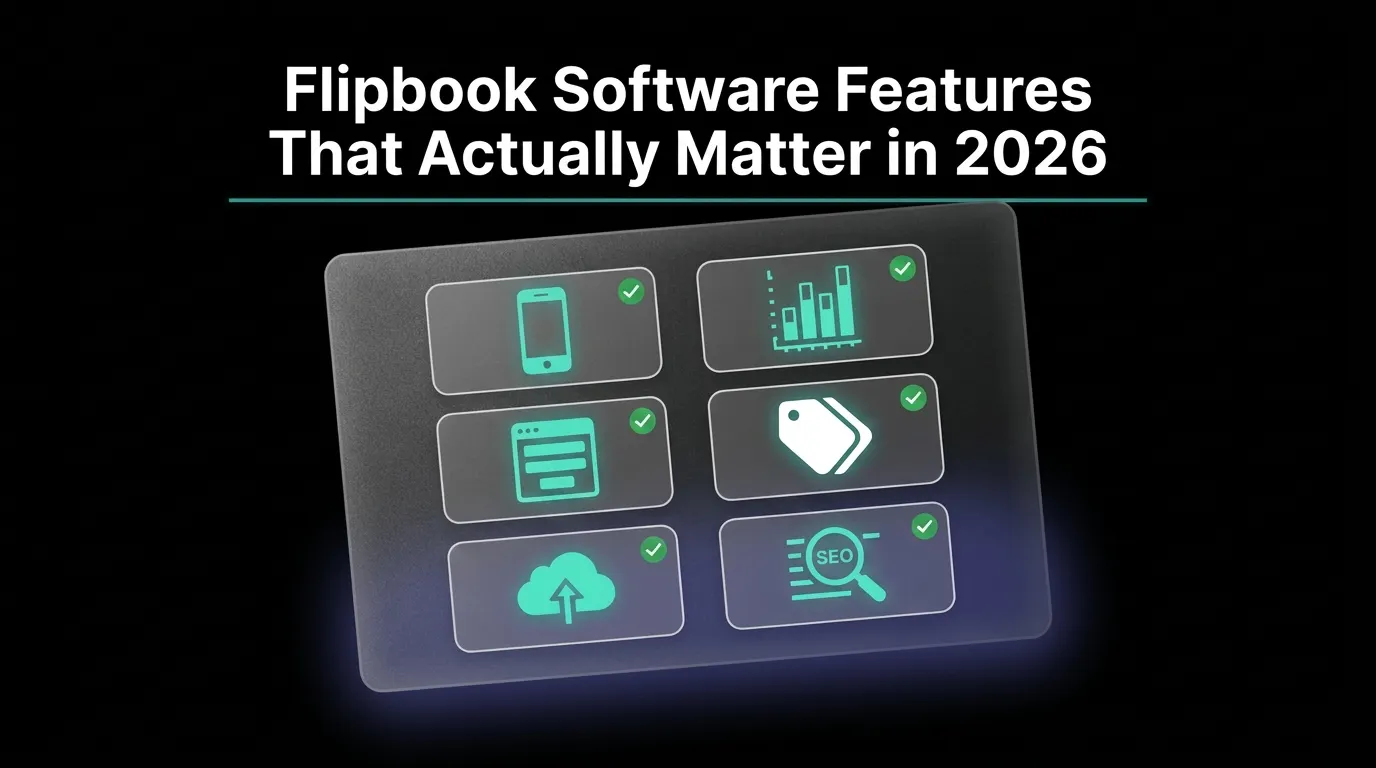
The flipbook software category has matured significantly. What used to be a simple PDF-to-page-turn converter is now a proper publishing platform category with meaningful differences between tools. But most buyers still evaluate on surface-level criteria.