After building dozens of side projects and watching many peers waste months building MVPs that turned out to be fake demand, I ve noticed a huge gap in early-stage validation workflows and I d love to hear if you ve run into the same pain points.
Most creators rely on two flawed ways to test ideas:
We re building Citafy an AI receptionist for clinics on WhatsApp. What would you expect from it?
We re currently building Citafy, an AI receptionist designed specifically for clinics.
The idea is simple: clinics receive hundreds of patient conversations through WhatsApp, but staff can t always respond immediately.
Citafy is being built to handle those conversations 24/7 answering questions, sharing treatment information and prices, helping patients book appointments, sending follow-ups, and handing the conversation to a human when needed.
When we started building Aseel, we didn't want to build just another marketplace.
Aseel brings together different ways for people to make an impact, from supporting communities and causes to discovering products made by talented people from places that don't always get much attention online.
One thing we've learned is that the technology is only one part of the challenge.
You have to make it simple for someone who wants to help, simple for communities receiving support, and simple for people sharing their work with the world.
One week they manually search for prospects. The next week they are busy delivering client work. Outbound stops, follow-ups get forgotten, and revenue becomes unpredictable.
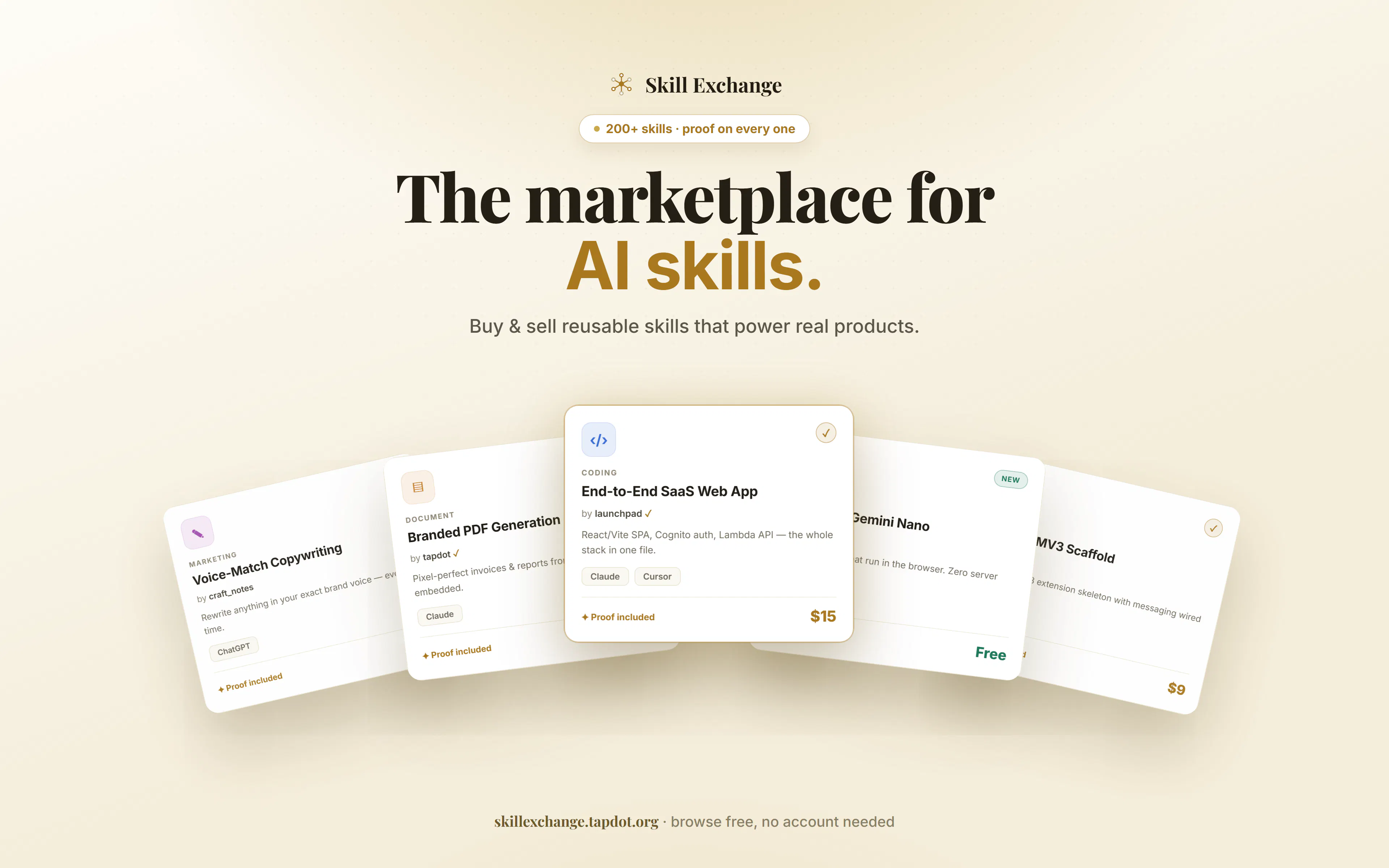
Hey! I built Skill Exchange a marketplace for reusable "skills": SKILL.md / system-prompt files that teach an AI assistant a specific workflow (generate a branded PDF, scaffold a Chrome extension, write in your voice).
We re building @WardenIQ, a free and open-source testing intelligence platform designed specifically for QA teams.
Testing information is usually scattered across requirements, Jira tickets, Confluence pages, repositories, test cases, automation reports, and spreadsheets. This makes it difficult to quickly understand what changed, what needs to be tested, and where important gaps remain.
@WardenIQ brings these workflows into one place and helps teams:
Generate structured test cases with AI
Create test plans and manage test cycles
Analyze code changes from a QA perspective
Review manual and automation test coverage
Identify missing or under-tested areas
Build mind maps to understand features and testing flows visually
Reuse common testing steps through the Step Library
Connect Jira, Confluence, and repositories
Choose their preferred AI provider and model using BYOK
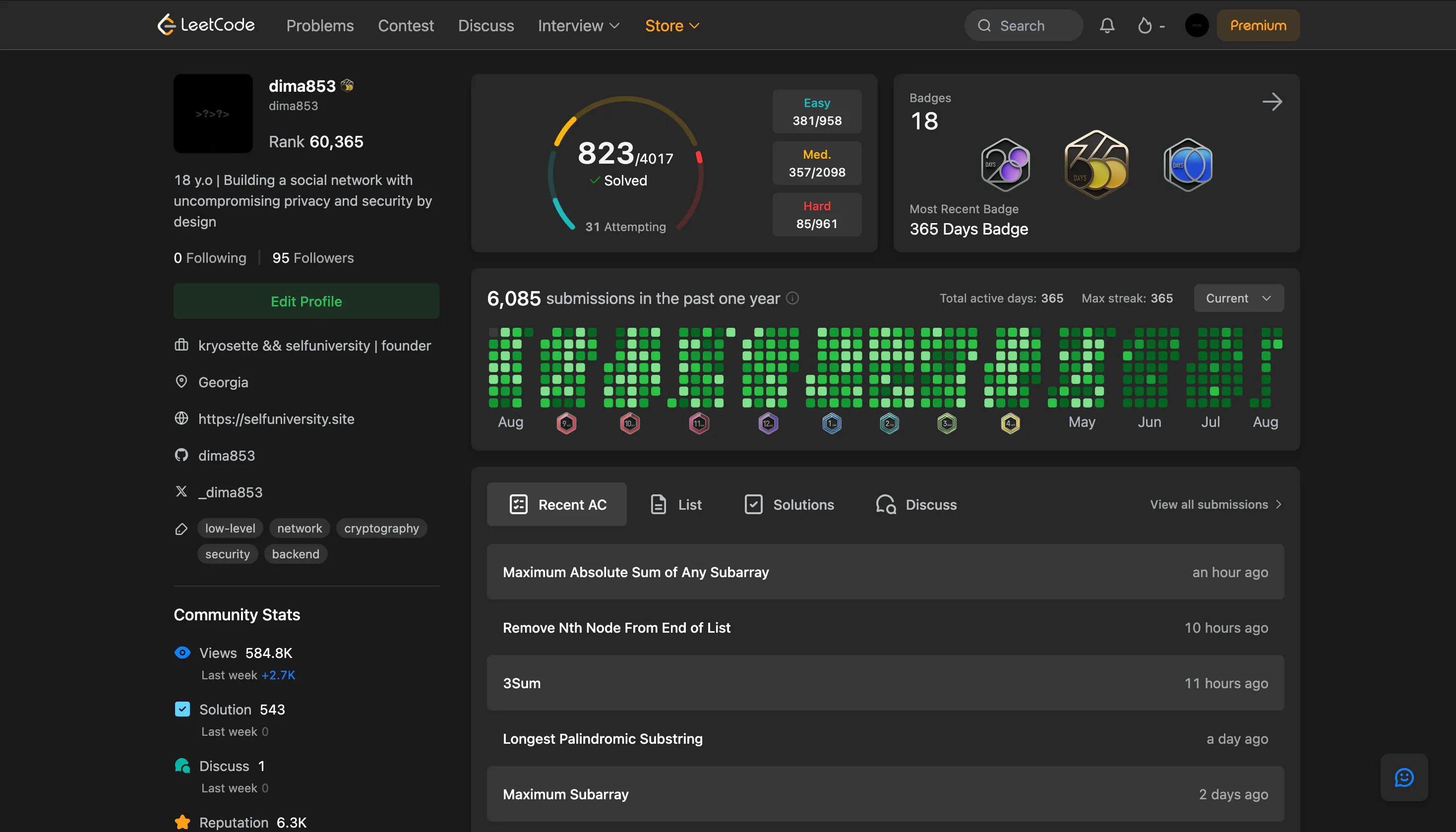
I'm 18, I've solved 823 problems on LeetCode with a 430+ day streak, and I can tell you it's a dry platform for solving algorithmic little tasks, and it has nothing to do with education. Nothing. At all.
When you want to solve a new problem, you often run into the fact that you're seeing it for the first time, especially the topics that are in there. And then going off to read lectures or articles is just dumb, because you need to solve the problem here and now (otherwise it'd be constant context switching), not waste a ton of time on it, especially on those weird-ass problem statements.
We are komake kollective and we are building komake because Artists today run three to five accounts just to have a presence. A portfolio site hard to find. An Instagram account the algorithm owns. Managing payments and projects on different platforms. A freelance profile they share with a thousand other people. Nothing talks to anything else. Nothing feels like theirs.
komake is a single destination that combines a professional portfolio, a social presence, payments, communication and a fully customisable profile, all under one link. Think Twitter/X meets Contra, built for creatives.
We just rolled out our waitlist. More soon! komake.io