FLXBL has a first-party TypeScript client - https://www.npmjs.com/package/@f... Lightweight, type-safe runtime SDK for FLXBL. Zero dependencies uses native fetch.
This package is the production dependency your app ships with. The generated typed client (from @flxbl-dev/cli) extends FlxblClient with schema-specific collections and full autocomplete.
TL;DR: I took FLXBL's new FILE fields, VECTOR fields, and vector search for a spin by building an AI-powered personal knowledge base called BrainLinks. Upload a PDF, and AI extracts concepts, links them to your existing knowledge, and lets you search semantically across everything you've ever saved. The interesting part? Combining vector similarity with graph traversal a query pattern that's native in a graph database but requires duct tape and prayer in a relational one. The project is open source, so you can try it yourself.
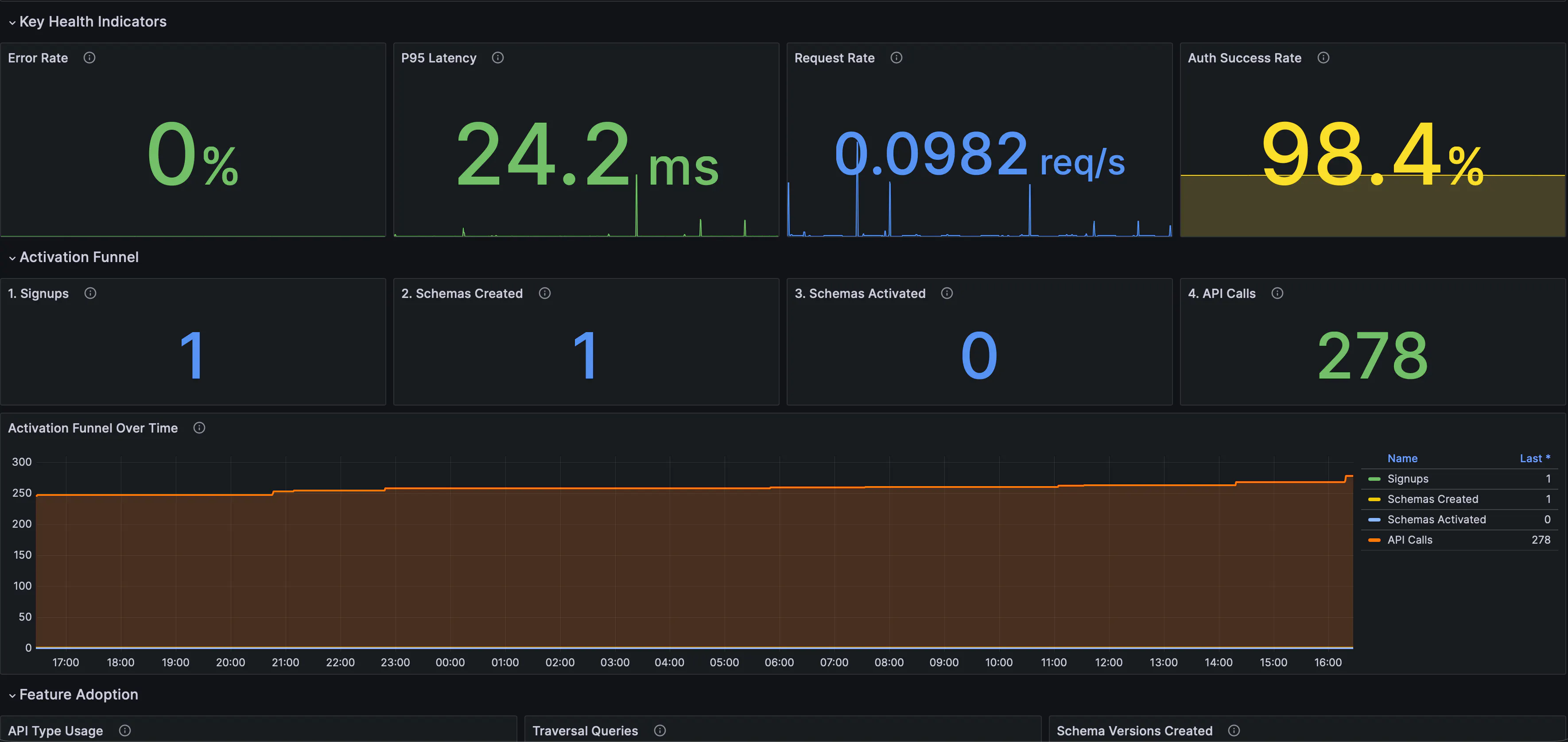
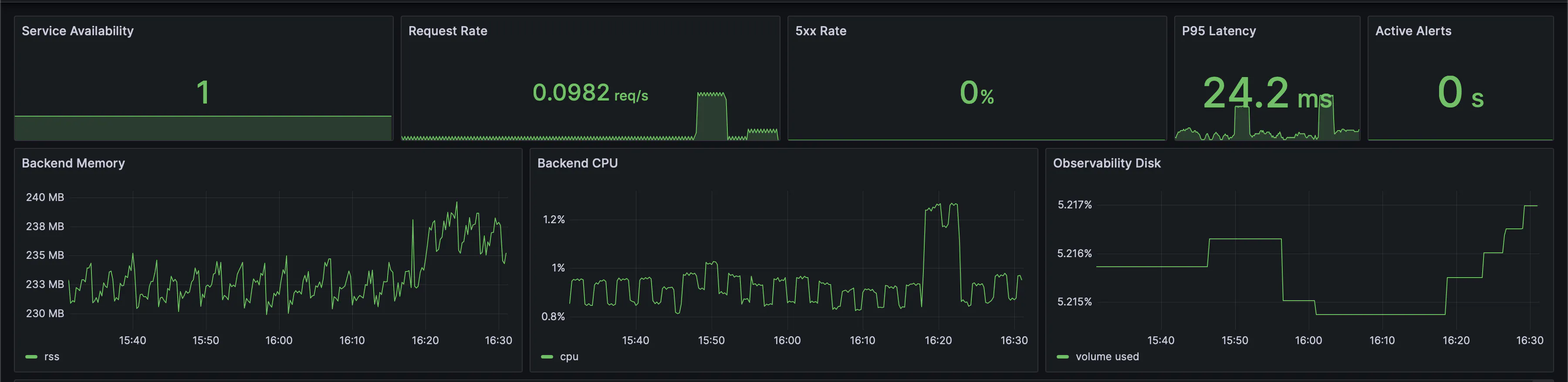
...except that it's not :) FLXBL is fully instrumented, every operation is traced and logged, meaning that - if you want to have a private/enterprise deployment of FLXBL, your DevOps/engineering team already has everything wired up, out of the box, with pre-made Grafana dashboards.
FLXBL, being a Backend-as-a-Service system does not contain any AI features, and that is by design. Our product delivers predictable, complex engineering features, and we don't see any kind of AI features as a fit in the core of the product itself. However, we are definitely aware of AI usage and many different use cases where AI and AI-assisted coding can be extremely helpful. That's why our CLI is what we like to call AI friendly. The CLI is built to be driven by agents. Every mutating command follows the same contract:
--json every command emits a stable JSON envelope on stdout. Errors emit { code, message, details?, exitCode } to stderr.
--stdin any command that takes a --data, --file, or --items argument also accepts the payload on stdin, so agents don't need a filesystem:
FLXBL.dev is a graph-native BaaS. Design entities and relationships visually, then get REST + GraphQL APIs, TypeScript clients, CLI workflows, auth, webhooks, subscriptions, and vector search—without writing backend CRUD.