Priyanka Gosai

About

Hey, I’m Priyanka! I love building things that make life easier. I’ve spent years working on products, automation, and solving complex problems which basically means I’ve broken a lot of things before figuring out how to make them work better. Right now, I’m launching Tiny Command, a no-code automation tool that helps businesses get things done without waiting on a tech team. Always up for a good conversation about automation, product strategy, or just geeking out over cool tech. Excited to be here and launch alongside so many great products!

Badges

Thought Leader
Thought Leader
Top 5 Launch
Top 5 Launch
Tastemaker
Tastemaker
Tastemaker 5
Tastemaker 5
View all badges

Maker History

  • TinyCommand
    TinyCommandStop duct-taping tools. Run everything with one command.
    Nov 2025
  • 🎉
    Joined Product HuntMarch 5th, 2025

Forums

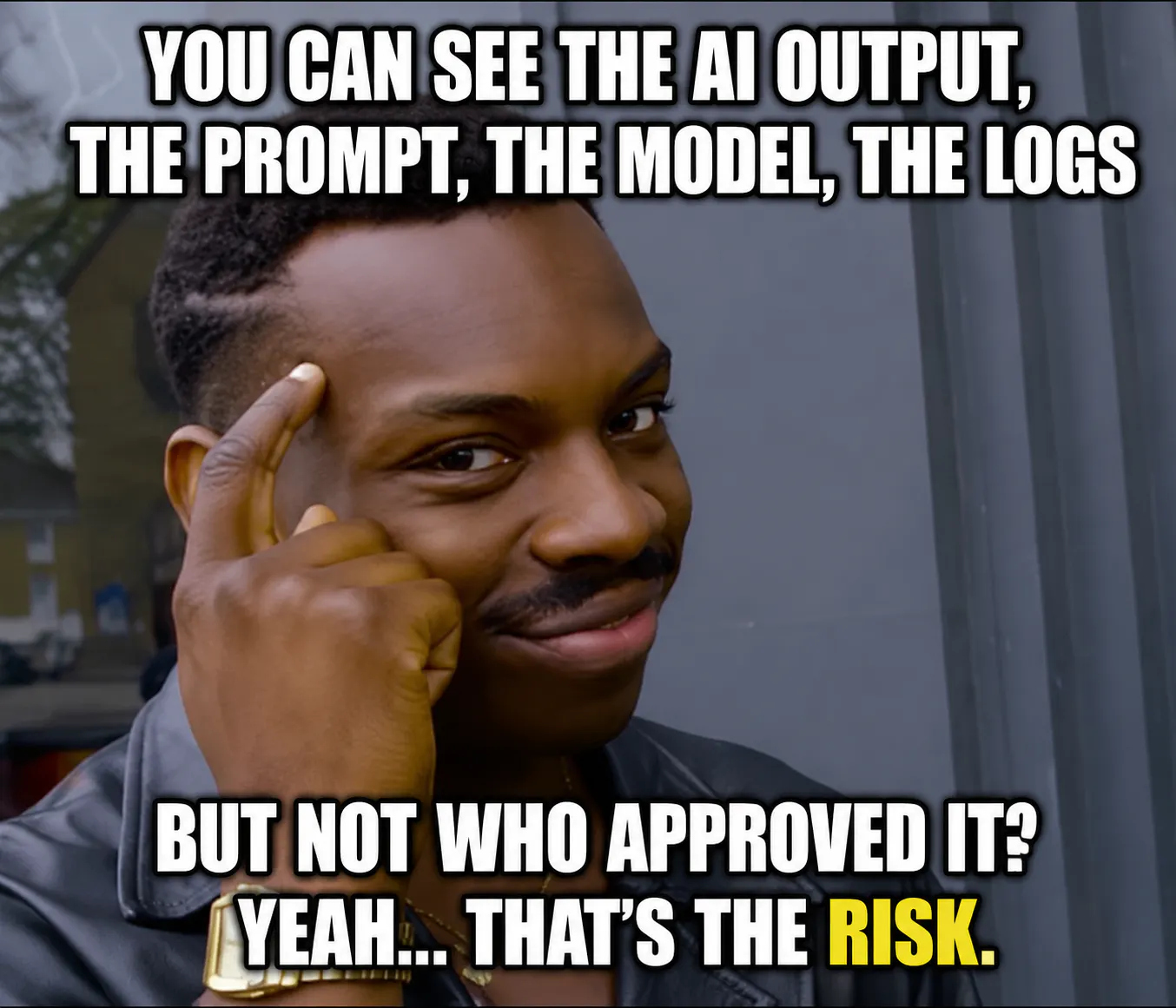
Would you trust an AI output if you could not see who approved it?

Been thinking about this after something that came up recently. Imagine an AI agent makes a recommendation that ends up influencing a customer workflow. The recommendation gets reviewed, approved, and eventually becomes part of how the team operates. Fast forward a few months and someone wants to understand why that decision was made.
The interesting part is that the technical history is usually still available. You can find the output. You can find the prompt. You can usually figure out which model generated it. What can be surprisingly difficult to find is the human context around the decision. Who reviewed the recommendation? Who approved it? What information did they have that made the recommendation seem reasonable at the time?
The more AI becomes part of everyday workflows, the more I find myself paying attention to that layer. Understanding the output matters, but understanding why someone trusted that output often matters just as much. A lot of conversations around AI accountability focus on the model. I suspect a lot of the missing context lives around the people making decisions with it.
Curious how your team is keeping track of that today, lets discuss it below...

We stopped marketing Murror as an AI app. Downloads went up 40%.

For the first year of Murror, every landing page, every ad, every App Store screenshot led with the same thing: "AI-powered self-compassion."

It checked all the boxes. AI was the hot keyword. Investors loved it. It felt modern.

1mo ago

Who is more likely to be replaced sooner? White collar vs Blue collar workers

2 significant things are circulating on the internet simultaneously this week:

  • A tweet about how a human beat a machine (a 10-hour livestream in which a human sorted packages and compared it to the productivity of a robot).

  • Or an announcement of a Microsoft AI chief that predicts AI will automate most white-collar work within 18 months.

While I don't think there will be a complete replacement of humans in either case, I do think we will see mass layoffs. My guess is that it will be white-collar jobs first.

View more