Most agencies are missing a huge blind spot in their client reports right now. Not because they are bad at their job. Because the game changed and nobody sent a memo. More and more of your clients customers are skipping Google entirely. They go straight to ChatGPT or Perplexity, ask a question, get an answer, and click the brand that gets mentioned. If your client is not getting mentioned? They are losing leads they do not even know exist. I spent the last few months figuring out how to track this properly and turn it into a service agencies can actually sell. Not some complicated AI audit. Just a simple monthly report that shows clients where they stand in AI search, how their competitors are doing, and what to do about it. Agencies adding this are charging between $200 and $500 extra per month per client for it. The conversation is easy because the data is new and clients have never seen it before. I wrote a free playbook covering the whole thing. What AI visibility actually is. The metrics to track. A script for pitching it. A sample report structure. And a 7-day checklist to get your first report delivered. Download here. If you are running an agency and you have been looking for a way to grow revenue without growing your client list, this might be the one.
I'm Mark, solo dev and co-founder of Moss Piglet a privacy-first public benefit company.
Habit tracking is personal. Your goals, your struggles, your progress that's some of the most intimate data you can generate about yourself. So why does every habit tracker out there store it in plaintext on their servers?
Metamorphic is a zero-knowledge encrypted habit tracker. Your data is encrypted in your browser before it ever leaves your device. The server never sees your habits, your goals, or your progress. Not even we can read it.
Augment Code has been quietly building enterprise-grade coding tools for large engineering teams, and they launched Intent. heir answer to what comes after the IDE.
According to their announcement:
"The bottleneck has moved. The problem isn't typing code. It's tracking which agent is doing what, which spec is current, and which changes are actually ready to review."
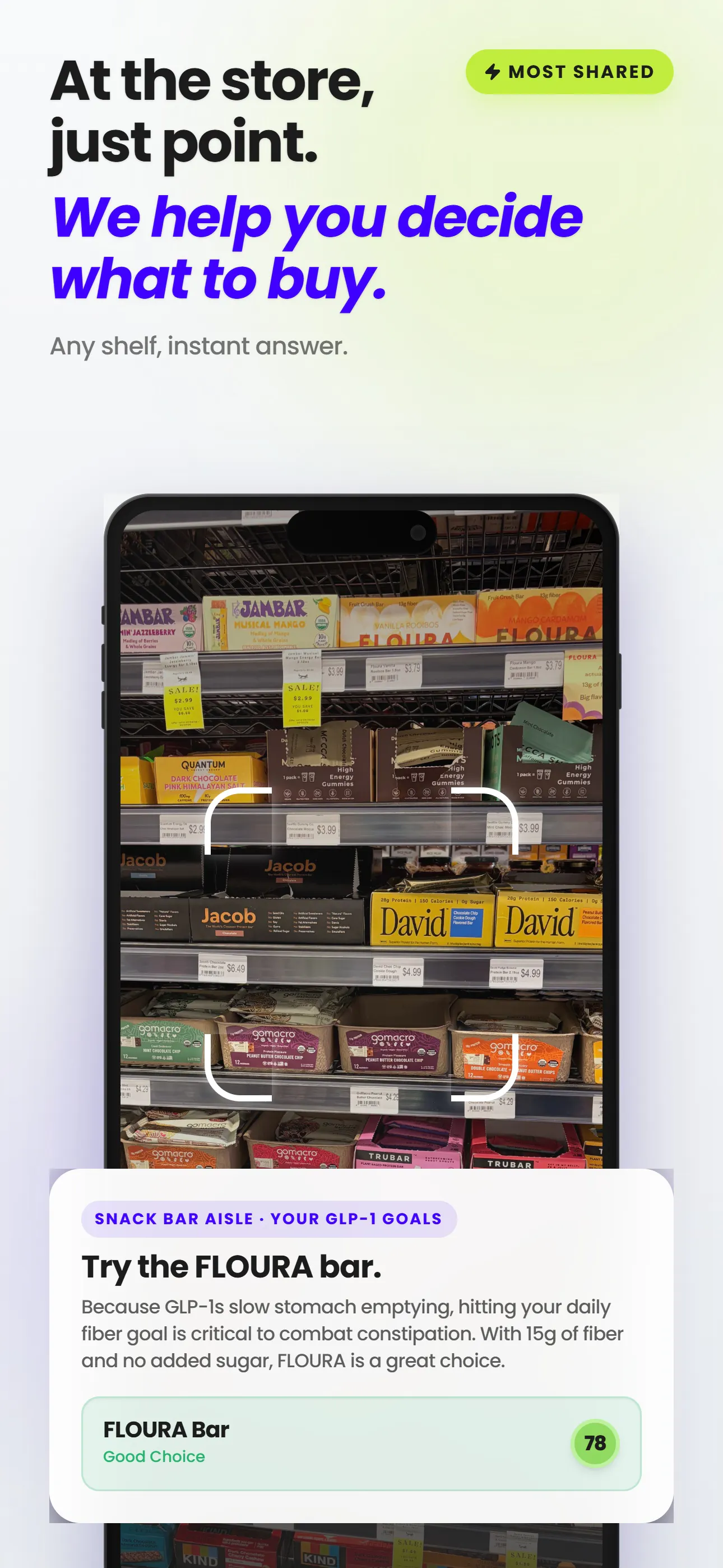
If you're on a GLP-1 (Ozempic, Wegovy, Zepbound, etc) and figuring out what food to buy/eat is absolutely confusing, we'd love to have you as a beta user on our new app. If you're not on a GLP-1, but you have a health goal (ie: eat more protein, more fiber, less sugar, etc) we'd love you as beta users, too! Drop a comment if you want to be added to the Testflight beta group. Beta testers who submit feedback get free access to the app for an entire year :)
I have been thinking about this a lot lately: why do so many AI products feel interchangeable?
You open one, you open another. Different logo, different color scheme, same experience. A text box. A chat interface. Some version of "ask me anything." The wrapper changes but the feeling does not.
Lately, I ve been looking closely at how independent builders and small teams are managing AI knowledge bases. It feels like the default "industry standard" is to immediately reach for a complex RAG pipeline and a heavy, paid Vector Database.
But I'm starting to wonder if we are over-engineering this for 90% of standard use cases.
Vector DBs are incredibly powerful for massive scale, but for smaller or non-massive datasets, they can be expensive, complex to query, and act as complete black boxes. If a search returns a weird chunk, diagnosing it is often a nightmare.