I built a website where people can crowdsource their purchases, so we can all know exactly what's a reasonable mortgage rate, car lease, or even the price of a banana. Come visit whatpeoplepaid.fyi and join me in this fight for price transparency. I am open to any feedback and would love to grow this community
Building AI for furniture e-commerce has been eye-opening.
Most AI conversations seem to focus on coding, content creation, and productivity. But after spending time talking to furniture stores and studying how customers shop online, I've noticed a different challenge.
Finding the right furniture isn't always straightforward.
Customers often browse dozens of products, compare styles, materials, colors, and dimensions, and still leave without making a decision. Unlike many purchases, furniture is highly visual and personal.
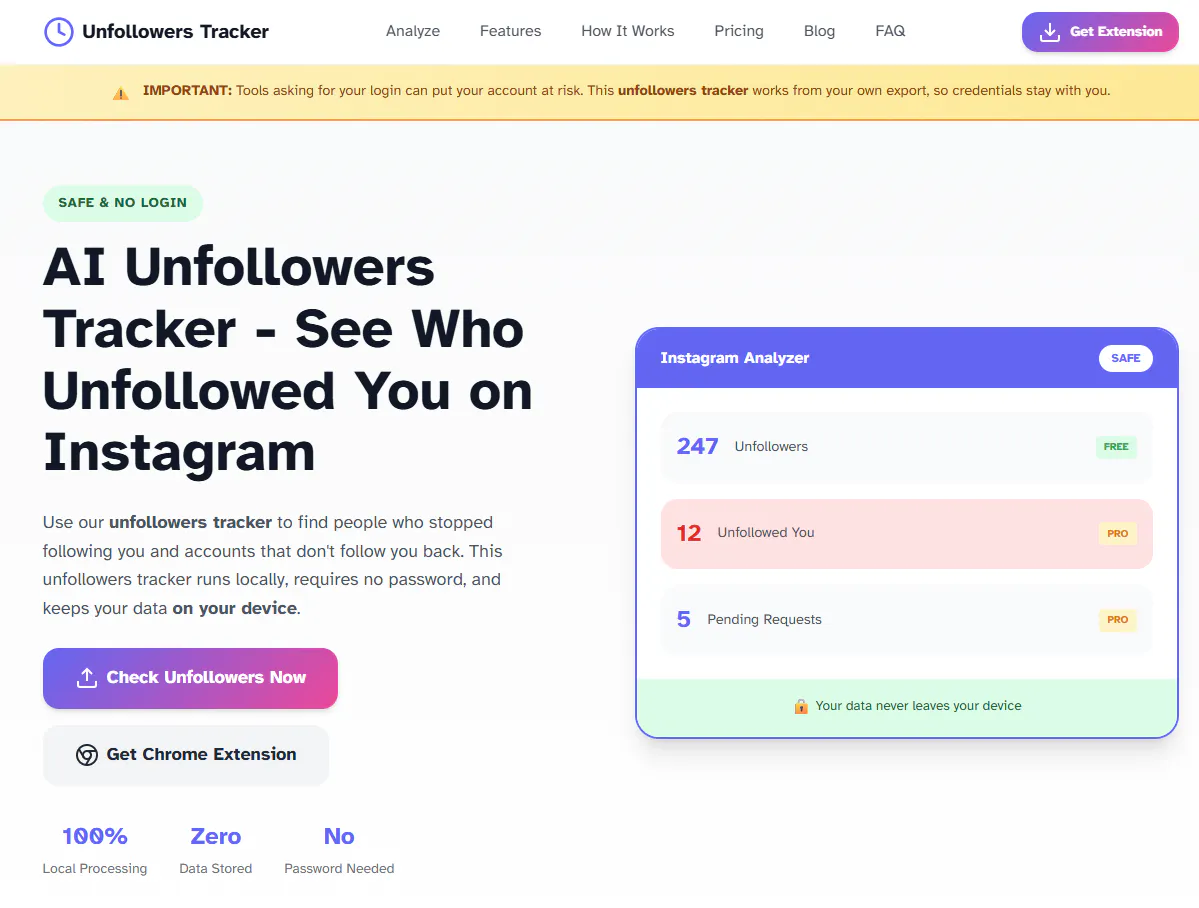
Unfollowers Tracker is a web-based tool designed to help people understand Instagram follower changes more clearly and with less friction. It makes it easier to review who unfollowed you, who does not follow you back, and other follower-related changes through a simpler and more user-friendly experience.
The product was built around a straightforward idea: many similar tools feel overly complicated, invasive, or difficult to trust. Unfollowers Tracker aims to provide a cleaner alternative by focusing on clarity, ease of use, and a more privacy-friendly experience.
We recently launched Relevyn, a tool that tracks how often AI assistants (like ChatGPT, Claude, Gemini, and others) mention your brand and helps you increase that visibility.
With Relevyn you can: See an AI visibility score for your brand Find gaps where competitors are being mentioned and you re not Get clear, actionable ideas (content, keywords, and topics) to boost how often AI tools talk about you
It s live on the web, and I m getting ready for a full Product Hunt launch soon. I m looking for early users and honest feedback on the product and UX before that launch.
If you care about your brand showing up in AI-generated answers, I d love for you to try it on your brand at Relevyn.com and tell me what you think. Happy to answer questions or share more details in the comments.
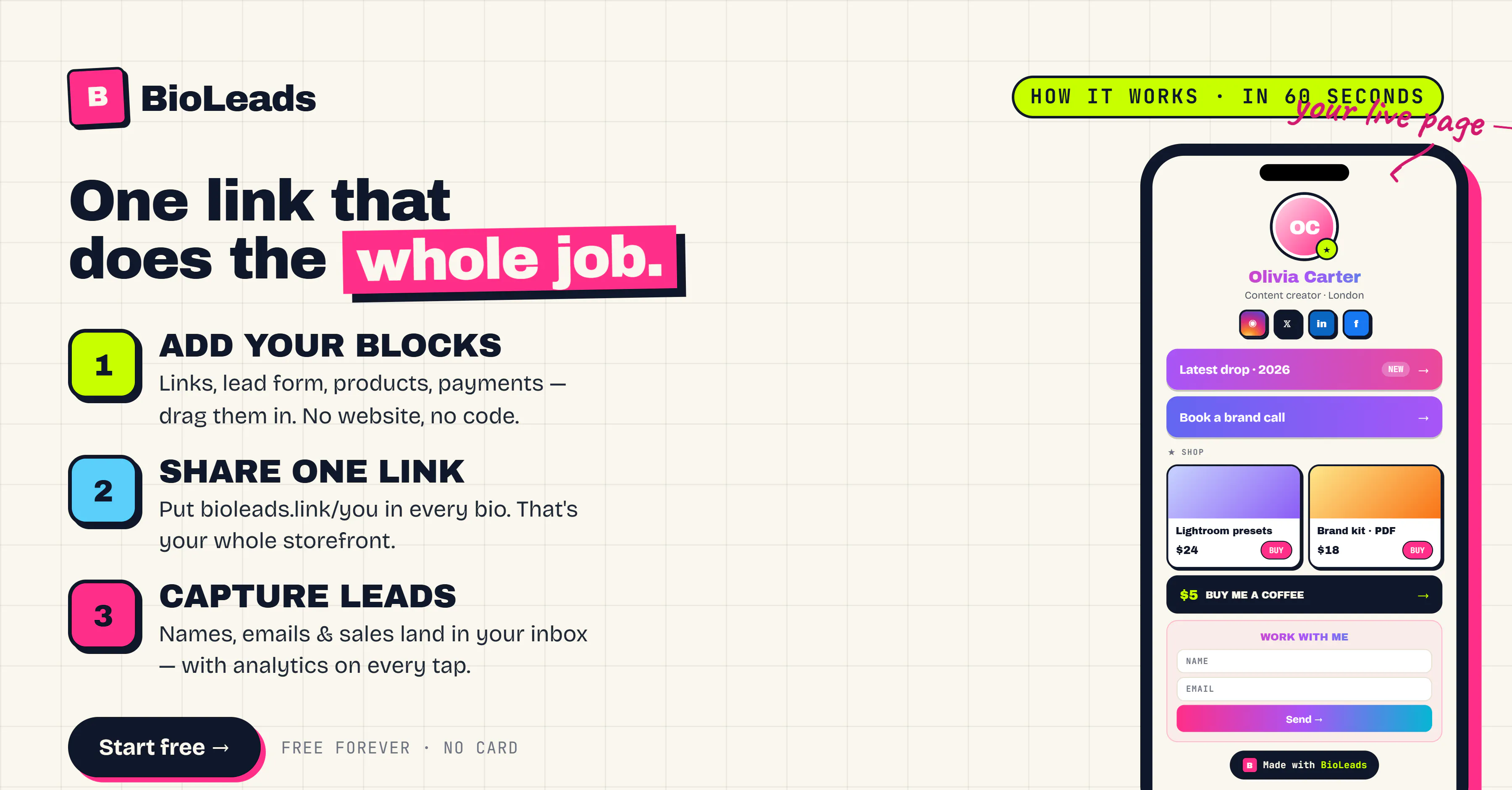
Every link-in-bio tool I've used is built around the click. It hosts your links, counts the taps, and that's it. You can get a thousand visits and walk away with a number, not one name you can actually follow up with.
Most traders spend hours tracking markets, scanning charts, and filtering information across multiple platforms before making a decision. We're building Finn to simplify that process by bringing trade ideas, market insights, and execution workflows into a single experience.
Let s be brutally honest for a second: Everyone hates forms.
As product builders, we spend countless hours obsessing over UI/UX, tweaking dropdowns, optimizing multi-step wizards, and adding helpful tooltips. But the reality in the B2B world especially for sales reps and field workers is that data entry is universally despised. No matter how "beautiful" your CRM interface is, your users will still take notes in their native notes app or send themselves a Slack message, only to begrudgingly do batch data entry at the end of the month (often faking half of it just to get management off their backs).
For a long time, the industry's answer to this was just better UI. Recently, the trend is slapping an LLM chatbot wrapper on top of a legacy system. But the underlying architecture is still strictly form-driven. The AI is just a polite receptionist for a rigid database.
While building our next-gen platform, we realized that to truly fix this, we had to stop fighting human nature. We decided to kill the form entirely.