

Inside VeilDVPN: How we built a decentralized, crypto-native VPN on Android
Hey Product Hunt community, Mullet here! 👋
When people use a traditional VPN, they often think they’re hiding their data. In reality, they are just shifting their trust from their ISP to a single centralized VPN provider, hoping that company doesn't secretly log activity, bow to legal pressure, or get hacked.
At Bitveil, we wanted to build a truly trustless privacy alternative, which led us to build VeilDVPN.
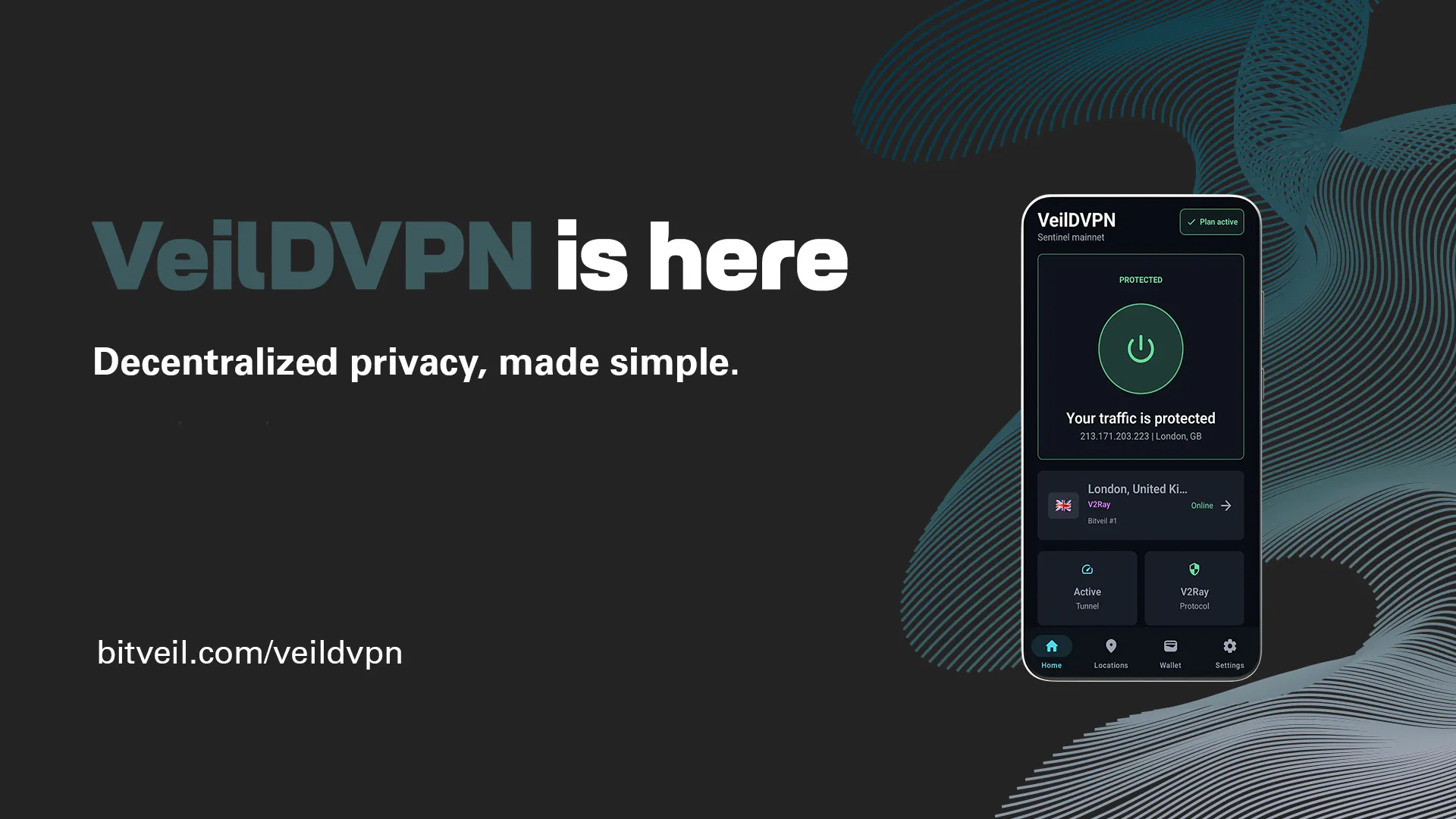
Instead of routing traffic through corporate data centers, VeilDVPN taps into a decentralized network of over 1,300 independently operated nodes. Here is how we structured the app to prioritize user privacy:
Trustless Node Network: Traffic is encrypted and routed through global residential nodes. Because they look like standard home internet connections, they bypass geo-blocks far more effectively than datacenter IPs.
Zero KYC Onboarding: No email, password, or credit card required. Authentication happens via wallet creation.
Crypto-Native Payments: Users can pay-as-you-go using $P2P, or purchase subscriptions with SOL and USDC.
Web3 NFT Utility: Holders of our internal NFT collection (Bluefrens) can claim a recurring free subscription directly inside the app.
Multi-Protocol Support: Integrated WireGuard, Amnezia WG, V2Ray, Xray and Hysteria2 protocols.
You can find all info about VeilDVPN, instructions and downloads on the official website.
Building a privacy-first mobile app with crypto payments came with its own set of challenges, especially around UI/UX for non-crypto natives.
I’d love to hear from other developers or privacy advocates in the community: How are you handling friction in Web3 mobile apps, and what’s your take on decentralized infrastructure vs. centralized alternatives?
Feedback or questions on our approach are always welcome!
Replies
Be the first to reply
Have a question or a thought to share? Add a comment above to start the conversation.