
 •
2mo ago
I think I’ve reached the “Etsy is no longer enough” stage
Etsy has been my main sales channel for a while now, and thankfully, things have been going pretty well.
But looking at my numbers recently, I ve started thinking more seriously about expanding to other platforms.
I m considering Shopify + Amazon, but here s the funny part:
I know Etsy pretty well at this point and honestly, almost nothing about the other two.
When it comes to the operational side, managing my stores, listings, orders, fulfillment, and everything from one dashboard. I already have a tool in place for that. What I m really looking for is advice from sellers who have actually scaled from Etsy to other platforms.
So I d love to hear from sellers who have already made the jump.
 •
2mo ago
What tool do you use to track your dev team without going crazy?
I am doing both dev and PM work right now and finding the right tool is honestly a nightmare.
Most platforms feel incredibly bloated or require too much manual input from the developers. I just want something that gives me visibility without forcing the team to log every single minute of their day.
I am currently struggling to find a good middle ground between something too simple and something as complex as Jira.
What are you all using to track progress and performance?
 •
2mo ago
When’s the right time to launch?
 •
2mo ago
The moderation ai here needs a serious upgrade 🙂
This is the eighth time i've had a completely normal discussion thread rejected. no links, no self-promotion, nothing that violates anything i can actually read in your guidelines. Just an opinion meant to start a conversation.
Eight times. whatever's flagging these clearly isn't checking for actual intent, it's pattern matching on surface-level junk and getting it wrong, repeatedly. that's not a minor bug, that's a broken filter driving people away from posting anything real here.
I'm not the only one hitting this either, seen multiple threads from other users with the exact same complaint, rejected for reasons nobody can explain.
If your team actually cares about this platform staying a real community and not just a launch board, fix the model.
Right now it's actively working against the thing product hunt is supposed to be for.
•2mo ago
most "ask me anything" posts are a trap
See them everywhere here. "ama, ask me anything about growth/fundraising/whatever." feels generous. usually isn't.
Most of the time the answers are generic enough to apply to anyone, "focus on your users," "iterate fast," stuff that sounds like advice but changes nothing for the person asking.
The real, specific, useful answer would require actually knowing the asker's exact situation, which a public ama can't give.
Not saying don't ask questions. Saying the format optimizes for volume of replies, not quality of answers.
The good stuff usually happens after, in dms, one on one, not in the thread everyone's watching.
 •
1yr ago
Would your product be better without VC money?
Venture capital can be rocket fuel.
But sometimes it feels more like strapping yourself to a rocket you don t fully control.
If I had never raised a dollar, how would my product look different?
 •
2mo ago
The Product backlog never dries up
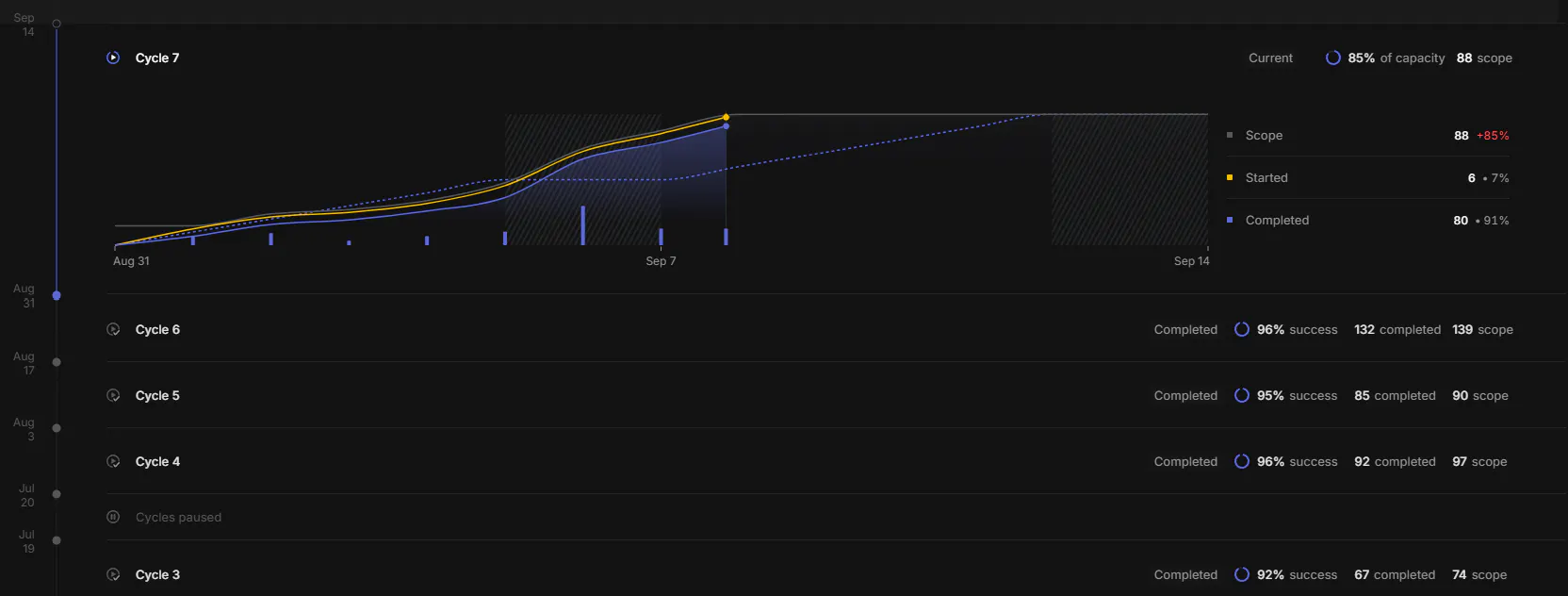
Over the last 2 months, I've closed a massive number of issues and PRs, and yet I'm still left with a long list of known issues. The backlog never seems to dry up, it just keeps piling up. The more I ship, the healthier the codebase gets, but the queue never really shrinks. I guess that's also a good thing in a way, it's what keeps the product improving and iterating. Would love to know if others are going through the same cycle.
 •
9mo ago
Why do 90% of PH launches ghost their signups?
Genuine question for makers who've launched here.
I browse PH almost daily. I upvote stuff, sign up on launch day, leave comments. Then 3 days later I want to use a tool and can't remember the name.
 •
2mo ago
Fundraising? Sharing the template that helped me raise

Oldie but a goodie. Keep it stupid simple. No hyperbole and minimal visuals.
Anyone used this template before?
 •
2mo ago
Utility bills have two deadlines. Almost every expense tracker is built as if they had one.
Where I live (Colombia), a utility bill prints two dates: the due date, and the shut-off date the day they actually disconnect you. Last month the gap on my electricity bill was 15 days. On my gas bill it was one.
Those mean completely different things. One costs money, the other means sitting in the dark. And the gap between them is the risk: 15 days is room, 1 day means the bill is already critical the moment it's due.
Yet almost every recurring-expense tool has a single date field. The reason is obvious once you see it they were all designed around Netflix, where one date is a complete description of the event. The whole category inherited a data model from subscriptions and applied it to bills that don't fit it.