

Tried a bunch of robot vacuums this year, here's the one thing most brands still get wrong
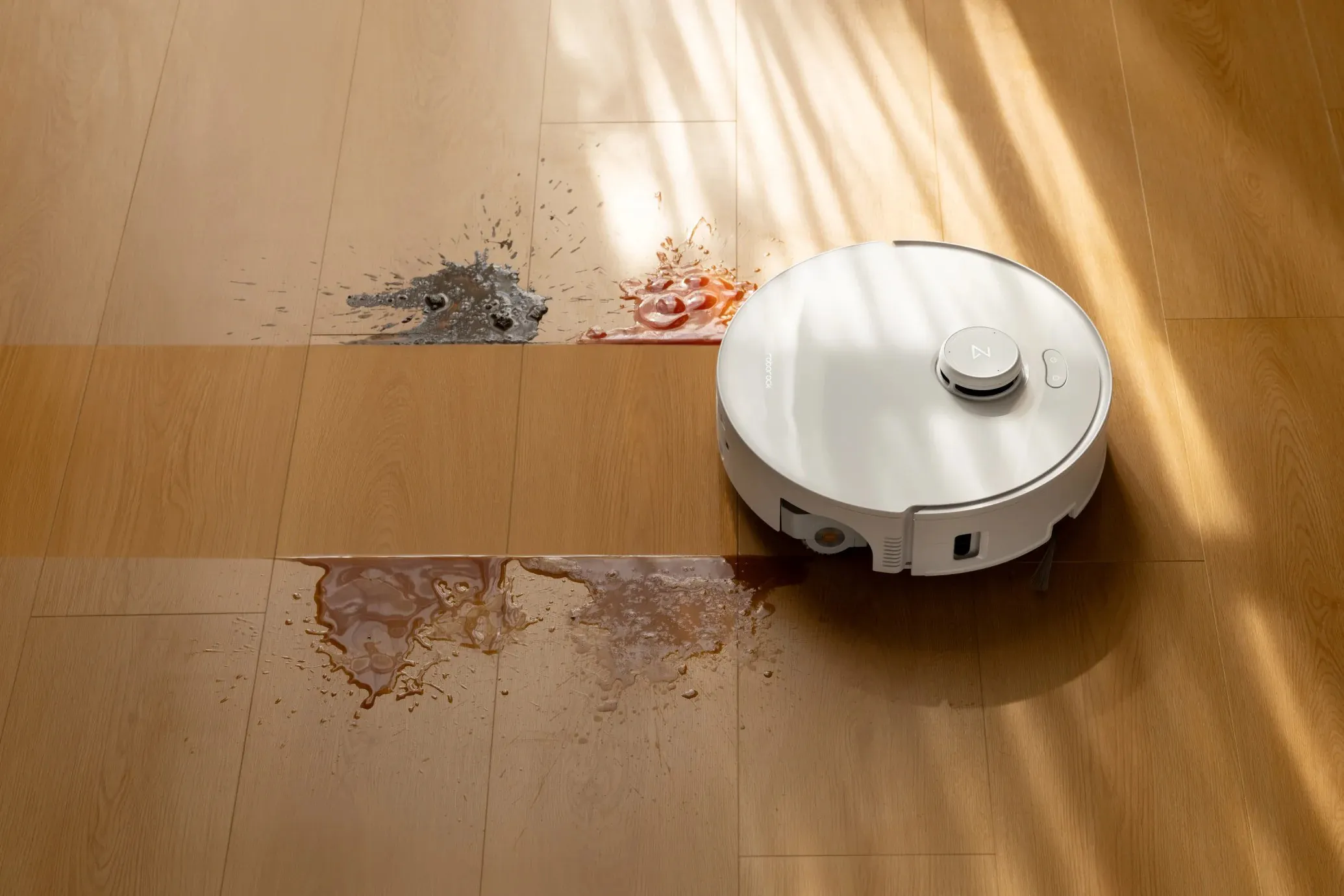
Been down a bit of a rabbit hole comparing robot vacuums over the past few months (two dogs at home, so cleaning is a daily problem, not a weekly one). And the thing that surprised me is how much the marketing focuses on one spec — suction power — while the actual dealbreaker for most people turns out to be something else entirely: the brush roll.
Here's the pattern I kept running into: two vacuums with basically identical suction numbers on paper perform completely differently after a few weeks of real use. The reason isn't the motor, it's hair wrap. Long hair (human or pet) catches on a standard bristle brush roll, tightens with every rotation, and eventually chokes the motor or just stops the roller from spinning properly. At that point it doesn't matter how strong the suction spec is — the machine physically can't clean anymore until you cut the hair off manually.
It's kind of a classic "spec sheet vs. real world" problem. Suction is easy to put in marketing copy and easy to compare across brands, so that's what gets optimized for and advertised. Brush design is harder to communicate in a bullet point, so it gets underinvested in, even though it's arguably the bigger factor in whether the product actually holds up over months of daily use.
The brands that seem to actually get this build dual-brush systems or comb-style rollers instead of dense bristles, specifically to stop hair from catching in the first place. Roborock's Qrevo and Saros lines are a good example — the whole design is built around anti-tangle brush architecture rather than just cranking up the Pa rating. It's a less flashy thing to market, but it's the difference between "works great on day one" and "works great after six months."
Makes me think about this pattern more broadly — how often does the spec that's easiest to put on a landing page end up being the one that matters least in practice? Curious if others have run into this in other hardware categories — cameras, headphones, whatever. What's the "suction power" of your product category — the number everyone quotes that doesn't actually predict how well the thing performs long-term?
Replies
What brand handles this well?