gm friends and welcome back to the Leaderboard. in today's issue, we're diving into Amazon's new AI that shops for you, an app that makes logging off profitable, and an AI that cures your Déjà vu while browsing.

Monday, Apr 07
Presented byDropbox Sign
“Buy for Me” is a new feature that lets Amazon’s AI purchase products from other retailers when it can’t find them on its own site. You never leave the app. Amazon just… handles it.
🔥 Our take: This is either peak convenience or the final step in letting Amazon run your entire life. The AI isn’t just recommending products, it’s checking out on other websites for you. At this point, it might as well be your personal assistant, accountant, and overbearing parent.
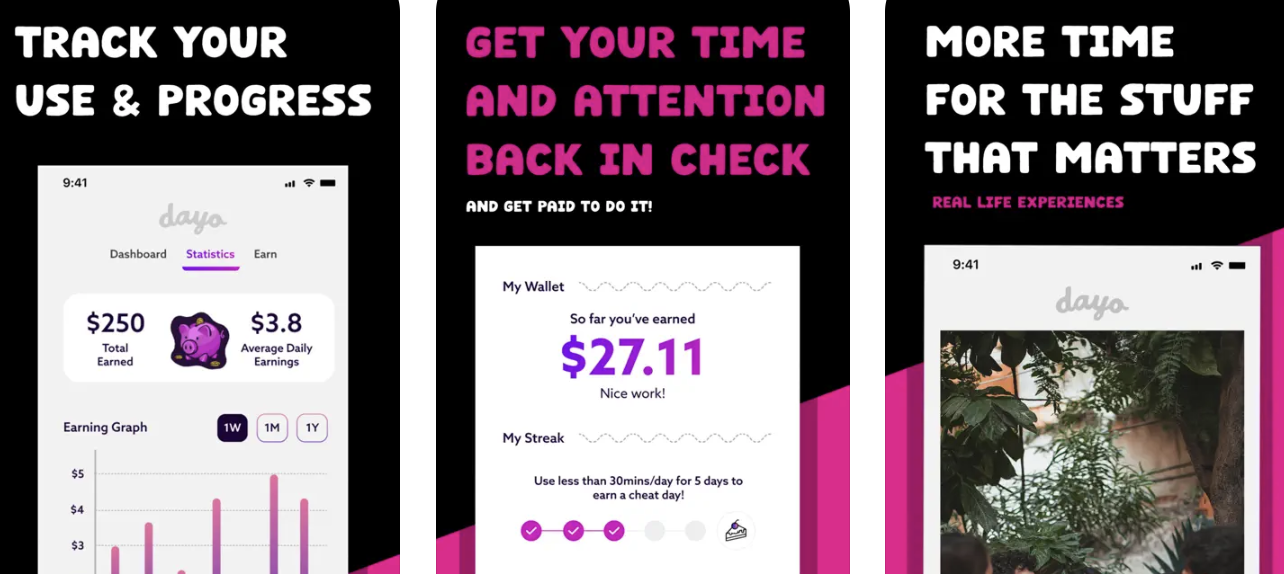
Dayo is a free app that pays you for using less social media. Keep your usage under 30 minutes a day and earn $5 in credits, which you can spend in its own marketplace of products and services.
🔥 Our take: Most apps want more of your attention. Dayo literally pays you to take it back. It’s part dopamine detox, part reward system, and part reminder that maybe your feed isn’t worth your time. If nothing else, it’s the first screen time tracker that doesn’t just guilt-trip you.

Recall’s Augmented Browsing adds an overlay to your browser that highlights keywords you’ve already saved in your knowledge base. It surfaces connections to things you’ve seen or noted before—without you needing to search or even remember. Everything runs locally on your device.
🔥 Our take: This isn’t about remembering websites. It’s about noticing when something you’re reading connects to something you already know. No more digging through notes or pretending you’ll "circle back" later. If you’re the type to highlight everything and revisit nothing, this makes that habit finally useful.
TRENDING IN THE FORUMS
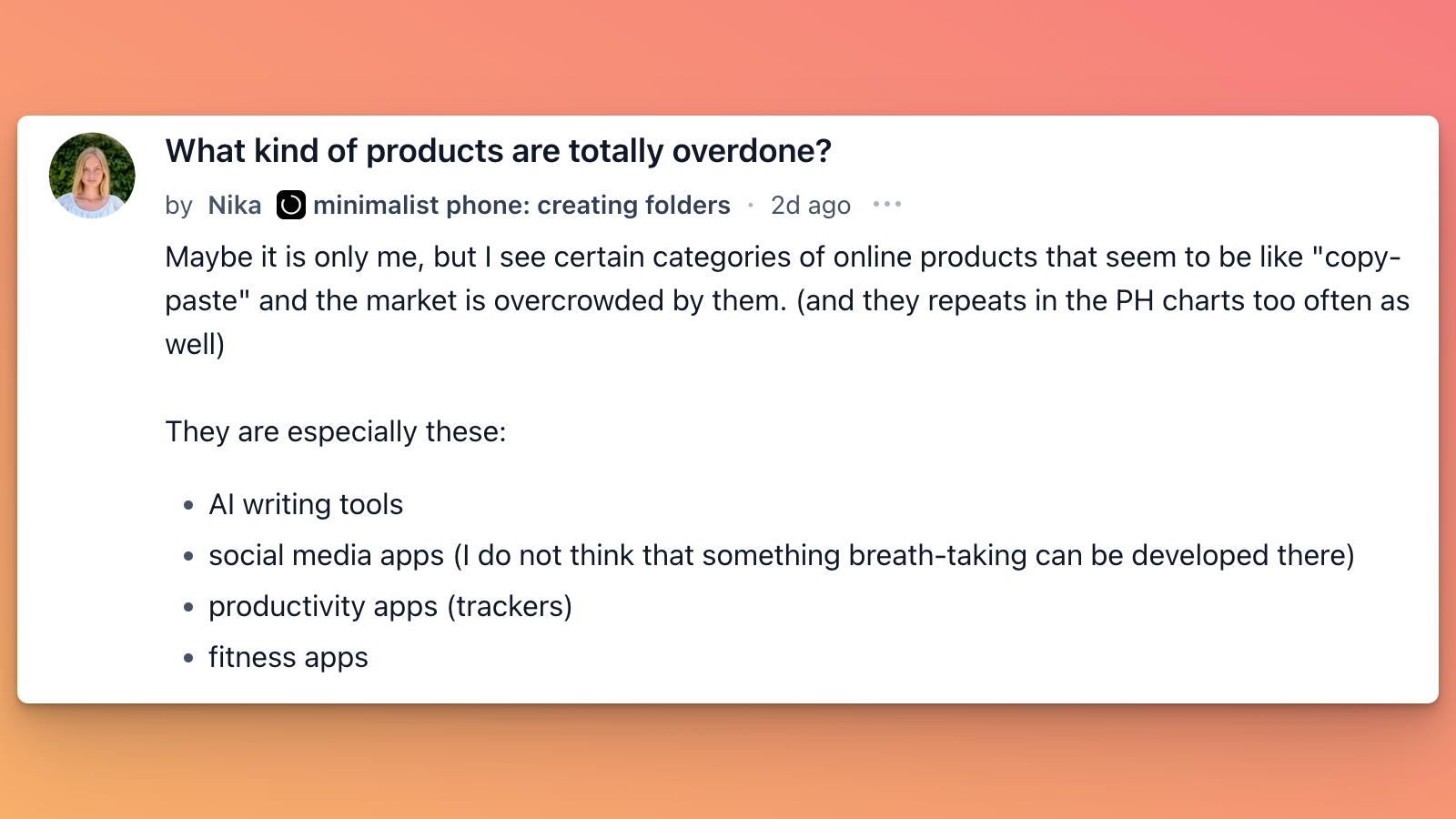
Nika asked which online product categories are officially doing too much—and the replies didn’t hold back.
AI writing tools. Habit trackers. Social apps with no people. Everyone agrees some corners of the internet are just clones stacked on clones.
Still, a few called out overlooked spaces—like tools for kids, or actually useful learning platforms. Maybe the problem isn’t saturation. Maybe it’s originality.
Got your own pick?
Yesterday's Top Products

 118 •
 Open Source


