We integrated Nano Banana Pro into Alai so you can create presentation visuals without learning prompt engineering, accepting flat images you can't edit, or ending up with mismatched slides across your deck.
Why Nano Banana Pro matters for presentations:
It's the first AI image model that renders text correctly. Infographics with legible labels. Headlines that are actually spelled right. Data visualizations where numbers make sense. DALL-E and Midjourney still can't do this.
We just wrapped the Orbit Awards for AI Dictation and now we re moving to the next category: AI Automation.
This one is for the tools that actually do work for you clearing chores, running workflows in the background, or quietly taking over a chunk of your week without turning into another dashboard you have to babysit.
I've noticed that more and more founders are building their personal brand and prioritising it over building their company's brand (the company account then just reposts the founder's thoughts).
Most people think users choose products based on features or price. In reality, support decides who stays.
A cheaper tool becomes expensive fast when every issue turns into a ticket nightmare. Meanwhile, teams keep paying more for products that solve problems and support them when it matters.
Support is not a cost. It is part of the product experience. Fast replies build trust. Clear answers reduce churn. Companies that treat support as a growth lever win.
Most people think users choose products based on features or price. In reality, support decides who stays.
A cheaper tool becomes expensive fast when every issue turns into a ticket nightmare. Meanwhile, teams keep paying more for products that solve problems and support them when it matters.
Support is not a cost. It is part of the product experience. Fast replies build trust. Clear answers reduce churn. Companies that treat support as a growth lever win.
For years, software design has been built around control.
Interfaces relied on clear cause and effect. A button triggered an action, a slider adjusted a value. Designers could map every step, test every state, and predict how users would respond.
We spent thousands of dollars on professional presentation designers, and yet none of them came close to what we could create ourselves on Alai.
It took 4 days to even get the first draft, and then they allowed only 2-3 iterations at max. Even after multiple iterations the decks looked terrible.
Sometimes I have a problem to have a look at my past milestones or things I have achieved so far. When I think about it, even creating my first product was a success for me. I ve always been a bit shy and afraid to show what I was working on, or I just didn t know how to present it properly, so it took me a really long time.
My first product was an online workout program with a payment gateway, and the monthly price was ridiculously low. But I managed to monetise it and had my first customers. I was probably around 20 at the time.
What was your first product?
What would you do differently to maintain it and make it successful?
Naitly actually started as a completely different project. We were building SpeakingAI - a tool to help people practice speaking through AI conversations. It worked well, people liked it, but we started to notice something important: there were already too many similar tools doing the same thing.
We didn t want to create just another speaking simulator. We wanted to build something that truly helps people reach real results - not just chat in English, but actually move from one level to another with visible progress. That idea slowly grew into Naitly.
PowerPoint. Google Slides. Keynote. Canva. Beautiful.AI. Pitch. Gamma. Figma Slides. And yet
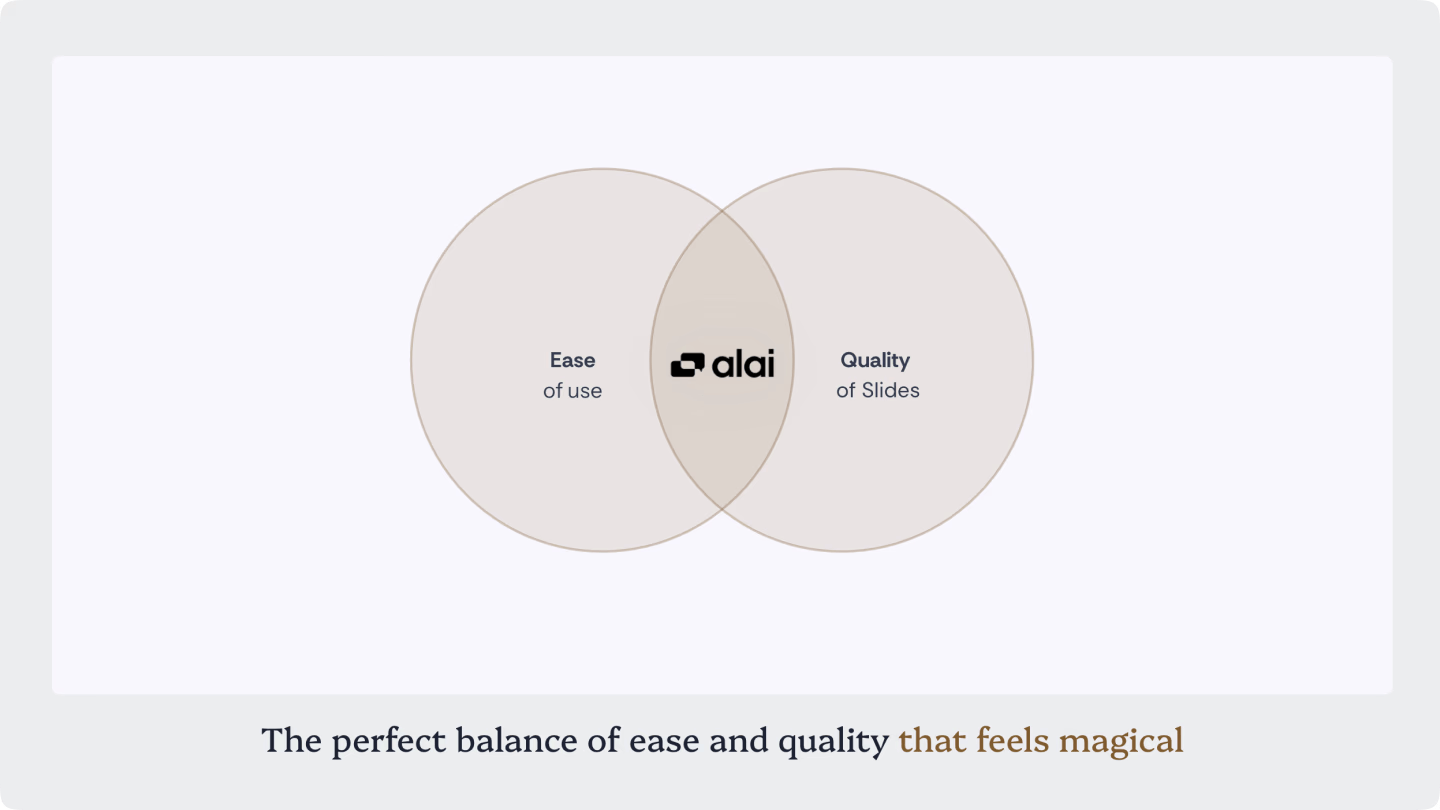
Everyone wants the same thing: to make a high-quality deck as quickly and easily as possible. Yet all current options set a bar that s incredibly low. The choice today is either cumbersome & hard, or quick & sloppy.
Alai exists so that you don t have to compromise on ease and quality.
I m Sonny, co-founder of Fallbacks.io. We re building an automated, time-based digital will to make sure your legacy lives on when you need it most.
A little about me, I m a software engineer who loves building products. Other than coding and building stuff, I m into the outdoors and meditating (helps balance out all the screen time ).
We're not going to lie. One of the key places people ask you for help with a PH launch is in LinkedIn DMs (followed by X and email).
Most connections I got were people from Product Hunt, so it is a pity not to use that platform. I am trying to grow LinkedIn and play with many strategies, among:
posting several pieces of content per day
actively comment on other people's posts
send a certain number of connection requests per day
Over the past year, I ve noticed how much time teams lose to meetings that don t really need to be meetings. The daily standup is a great idea in theory but in practice, it s often a 15-minute routine that interrupts everyone s focus, especially when you re working across time zones. My old manager used to tell us about his dating life in ur standups, which was pretty painful...
That s what inspired us to start working on Cadence a lightweight async tool where teams share quick video updates instead of jumping on another call.
We started building Eva because we were tired of guessing how our campaigns would land. You know that feeling before you publish something, half excitement, half dread? We wanted to replace that with clarity. Eva uses AI to predict audience reactions before you hit post. It looks at your creative, tone, and message, then shows how people are likely to respond, so you can fix weak spots before spending a cent. We re still early, still learning, but it s been wild to see how much peace of mind this gives marketers and creators who ve tested it. If you ve ever launched something and thought, I wish I knew how this would go, that s exactly why we re building Eva.
Would love your thoughts, what kind of feedback or insight would you want from something like this?
I ve been here for almost three years, and over time, I ve started to see this platform as a social network.
I know that many people come to launch their products and, due to time constraints, do not have time to establish a strong presence here, but I m glad some regular users focus on building the community.
I ve been on this platform for almost three years without interruption, reviewing dozens of products every day. I try many of them, but only a few have become part of my daily routine, ones I can t imagine living without.
I will pin, for example, 3 of them:
@TabMagic - Bookmark & Tab Manager I no longer need 500 tabs open; I can save them to my dashboard and close my entire browser.
Uncomfortable pattern I keep seeing: the products with the worst UX debt are usually the ones that found product-market fit fastest. They ignored "best practices," shipped ugly-but-functional features, and got users anyway.
Then they scale and everything breaks. That's when they hire me.


 Alai
Alai