
Next in Fashion
AI fashion photography & design in a node based canvas
84 followers
AI fashion photography & design in a node based canvas
84 followers
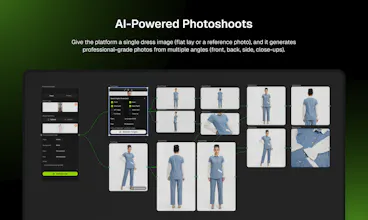
Next in Fashion lets you turn a single dress image into realistic multi-angle photos instantly. You can also generate your own custom AI models and build a personal model library that matches your brand. Designers can convert simple sketches into polished dress visuals in seconds. All of this works inside an intuitive node based canvas that encourages fast creative exploration and makes the entire process smooth and fun.




Is the focus strictly on dresses? Congrats on the launch!
How accurate is the multi-angle generation when the input dress has complex details like lace, sequins, or layered silhouettes?
@nuseir_yassin1 Great question,
For simpler silhouettes, the multi-angle system is extremely accurate.
For complex surfaces like lace, sequins, sheers, or layered constructions, the model still performs very well, but it reconstructs the texture from the reference rather than copying pixels directly.
In practice, that means accuracy is:
Very high for structure, proportions, and silhouette
85–90% consistent for detailed textures like lace patterns, ribbing, or sequins
You can see in the attached sample:
The lace sleeves, panel placement, and collar details stay consistent across front, side, and back views even though the input was a single image.