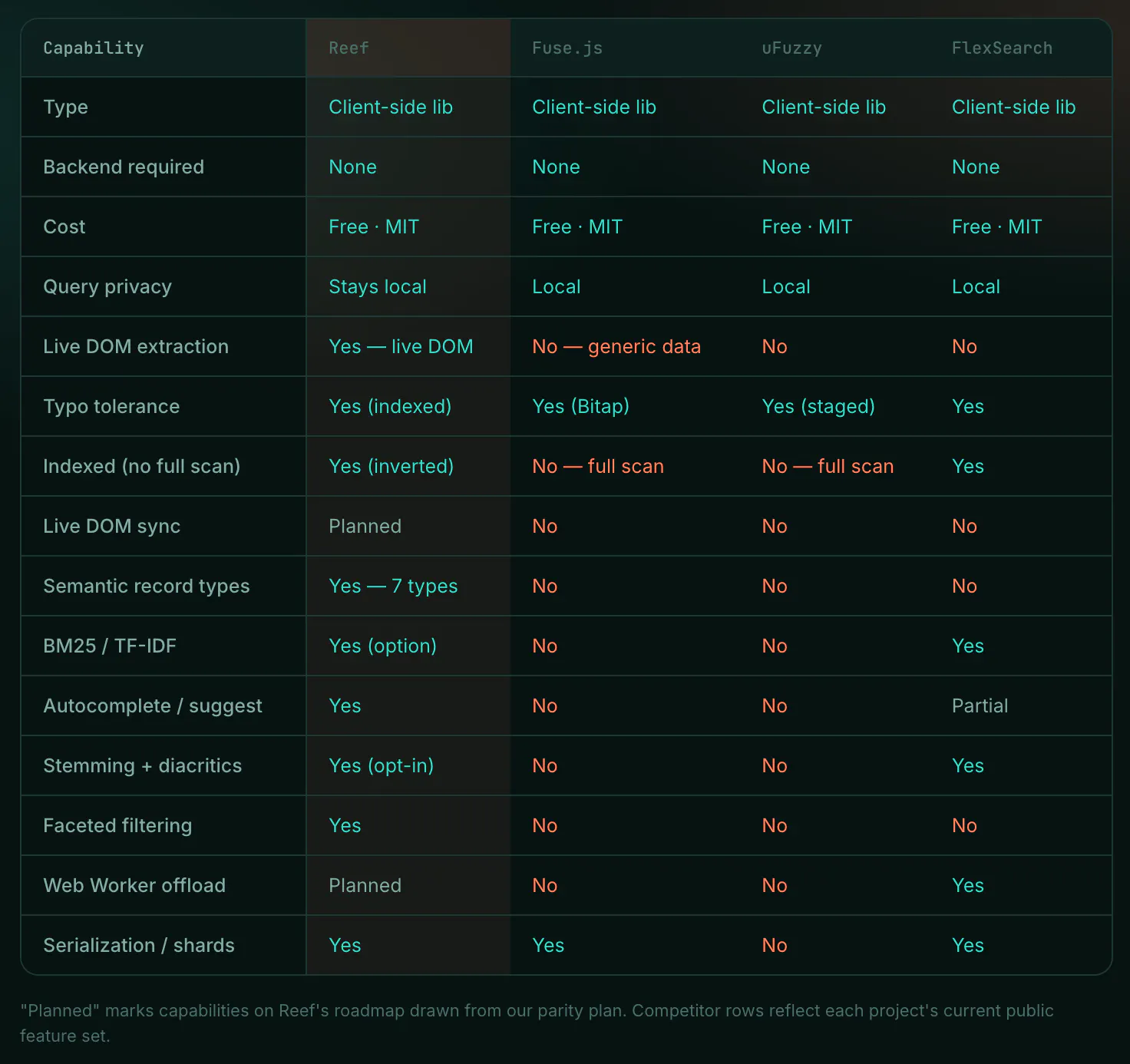
Fuzzy, keyboard-first search for static sites. No backend, no build step, no account drop in one script tag. But the real game changer is the DOM extraction layer. Reef doesn't just search for things, it can act on them. A revolutionary yet simple tool for AI agents to act on websites, and more.
A familiar solo-founder routine: build all day, answer users in the evening, then remember at 11:48pm that you haven t posted anything in a week.
I built Groniz to take that job off my plate. It writes posts, times them, replies to comments, works DMs, watches trends, and learns from what performs. The goal isn t more AI-generated noise. It s keeping the account active while the founder is actually building.
You can try it free here: https://groniz.com
I d genuinely like blunt feedback, especially on where automation should stop. What would you trust an agent to handle, and what would you always want to approve yourself?
Alexey here. Like many of you, I have a "public" email for my SaaS. And like many of you, my morning routine used to start with 20 minutes of deleting:
"Quick question..." (Sales pitch)
"Partnership opportunity..." (Link exchange)
"URGENT INVOICE" (Phishing)
I calculated I was spending ~70 hours a year just triaging spam. That's two weeks of dev time lost. Existing filters (Gmail, Outlook) work after the email hits my inbox. I wanted something that stops it before.
Hey everyone! My name is Agustin, I'm a Product Designer based in Argentina.
I've spent my career working as a Product Designer for US-based tech startups. The job is great, pay is good, and I'm greatful for it. But I realized I was becoming a "pixel pusher" for someone else's vision while my own ideas sat in Figma files gathering dust.
I m building DaamDekhi, a global price comparison platform for food delivery, groceries, and daily shopping products.
The problem is not limited to one country. Online shopping and food delivery have become fragmented everywhere. Users often need to open multiple apps, search the same item again and again, compare prices manually, check availability, and still may not know whether they found the best option.
For restaurant delivery, the problem is even deeper. Delivery apps often do not show every matching menu item directly in search. A user may search for a dish, but many matching items remain hidden inside individual restaurant pages. So users end up opening restaurants one by one, browsing menus manually, and comparing prices across delivery platforms themselves.
Founder here. Polora is an AI debate platform. You ask a question, several AI models argue it from different sides, one of them checks claims against the web while they argue, and an arbiter weighs everything into a verdict. The decision stays with you.
There's a one minute trailer if you'd rather watch than read, https://youtu.be/Exk6GB57qb8
Someone spends hours every week clicking through internal portals, admin dashboards, CRMs, supplier websites, or e-commerce back offices just to complete repetitive workflows.