Anyone building voice AI agents knows how hard it is to stay up-to-date with the latest text-to-speech voice models.
We spend time testing and experimenting with all of the available paid and open-source text-to-speech voice AI models and consolidated our own notes and experience testing different models into a single guide for developers evaluating multiple models.
The @Layercode team has quietly been cooking something new: @Toyo - an AI computer in the cloud that helps founders grow their businesses with AI agents, without needing any coding or technical skills.
This new product is now generally available, and it's launching today on @Product Hunt.
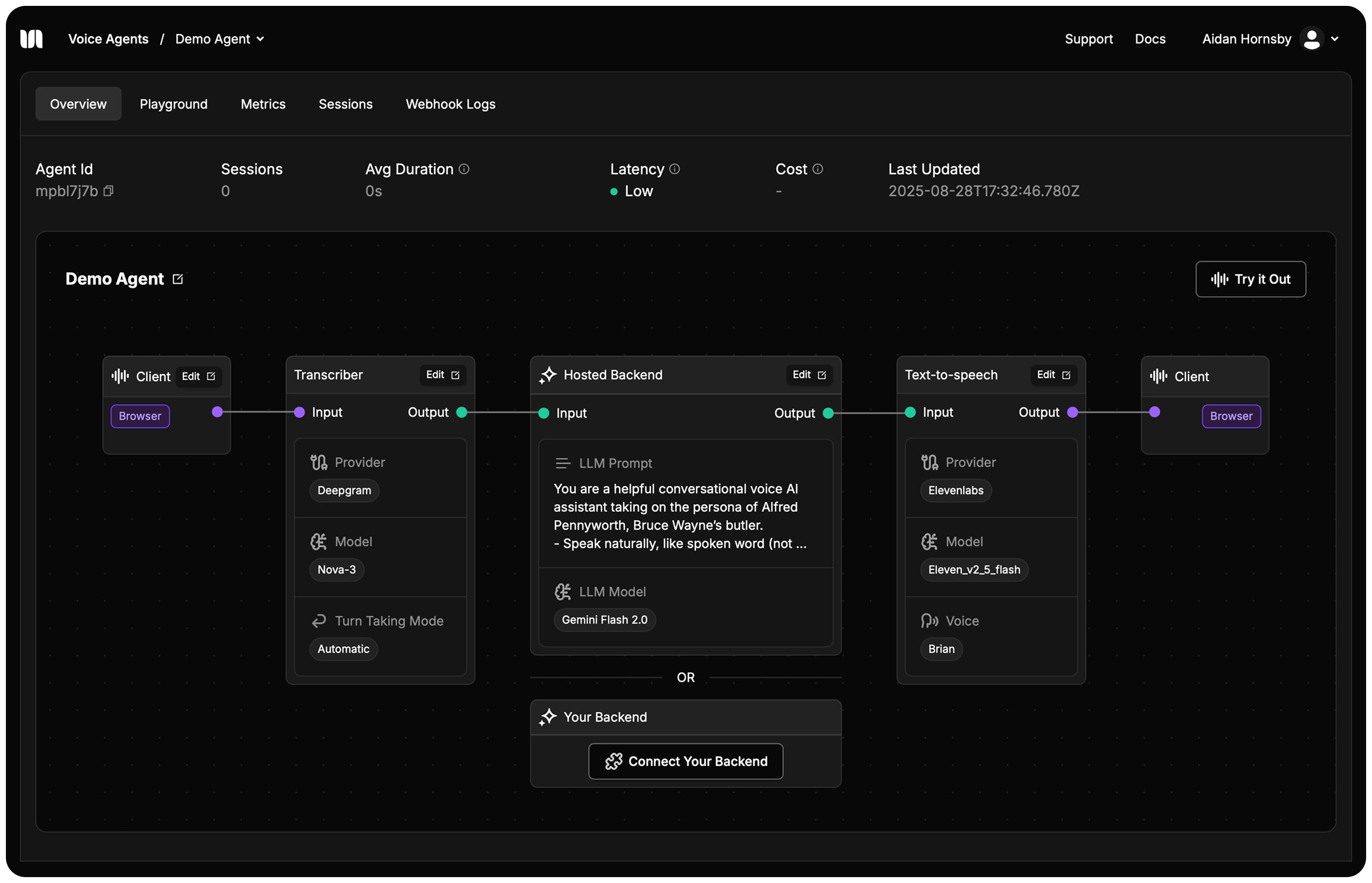
Build a voice AI agent in minutes, straight from your terminal.
One command scaffolds your project with built-in tunneling, sample backends, and global edge deployment.
Connect via webhook, use existing agent logic, pay only for speech (silence is free).
We're excited to announce a major upgrade to Layercode: support for Deepgram Flux: the world's first transcription system built specifically for voice agents.