
Scry: Remote Desktop
Your computers, anywhere you go.
8 followers
Your computers, anywhere you go.
8 followers
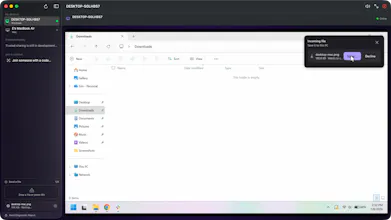
Scry is a personal remote desktop for your own Mac, PC, or Linux box. Native apps are available on Mac, Windows, Linux, iPhone, iPad, and Android, with a web version for convenient access from any browser. One standout feature: send files directly between your devices and your remote session, and copy your clipboard both ways — making it easy to move a PDF, document, image, or snippet of text between your phone and desktop without the email-to-self dance.




The native app approach is genuinely nice, especially on Linux where options are usually rough. One thing I'd love to see is audio streaming from the host to the client so I can listen to music or join calls on the remote machine without juggling separate solutions.
@mira1455108 Really appreciate that, Linux support was a big focus since it's usually an afterthought. Audio streaming is a great callout, that would remove a real pain point. Noted!
Love that it runs native clients on every platform. One thing I'd really appreciate is a way to wake or sleep the host machine from the client app, since I often leave my desktop on across the house and would love to power it down remotely after a session without needing a separate tool.
@volkanruhtemiz That's a great one, remote wake or sleep would save leaving the machine running just in case. Not built yet but that's a genuinely useful addition, appreciate you flagging it.
Love that you went with true native apps on every platform instead of the usual wrapped web view - the input latency across iPad and Linux probably feels totally different because of it.
@nurullahhazer Thanks, yeah that's exactly where native pays off, the input latency difference is night and day compared to a webview wrapper. Glad it's coming through on iPad and Linux especially.
the native apps on every platform are such a rare move these days, really appreciate the team committing to that instead of just shipping another wrapped web view.
@veyselklbedmhc Thanks, that was a deliberate call, native felt like the right way to do this properly rather than cutting corners with a webview. Glad it's standing out.