
Remy AI
Anyone can sleep and recover better
4.9•58 reviews•3K followers
Anyone can sleep and recover better
4.9•58 reviews•3K followers
Remy is a charismatic AI sleep coach who takes care of everything about your sleep from your sleep metrics and circadian rhythms to evening routines and sleep environment. Truly, backed by science. (Previously known as Sleepy – Sleep Coach.)

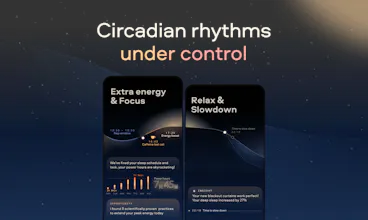
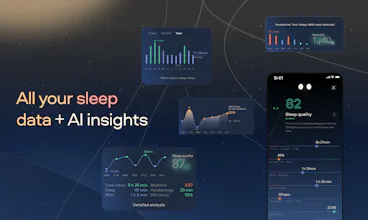


Remy stands out by framing sleep improvement as an ongoing coaching relationship rather than a static tracking app. Combining sleep metrics, circadian rhythm insights, and environmental guidance makes the experience feel holistic and science driven. The charismatic AI angle is an interesting way to keep users engaged over time. From a technical standpoint, how do you personalize recommendations as user data accumulates while ensuring the guidance stays evidence based and avoids overfitting to short term sleep variations?
Remy feels thoughtfully positioned as a coach rather than just another sleep tracker, and that distinction matters. Bringing together sleep metrics, circadian rhythms, routines, and environment into one guided experience makes the product feel more actionable than passive monitoring. The emphasis on being science backed also builds confidence. I am curious how you decide which insights to surface daily versus what to keep in the background, especially as users accumulate long term sleep data.
@ashitvora @artyom_zhuravlev you could check out the terra API - might be of use to you?