
Codapult
Next.js SaaS Boilerplate with Built-in AI and MCP
7 followers
Next.js SaaS Boilerplate with Built-in AI and MCP
7 followers
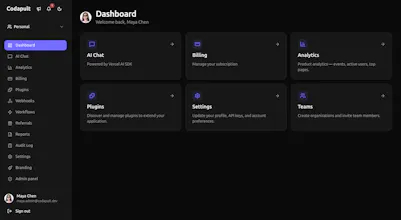
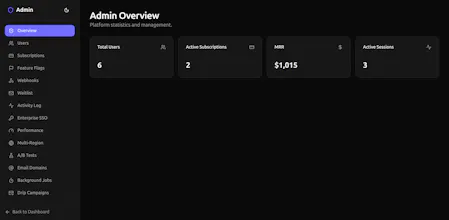
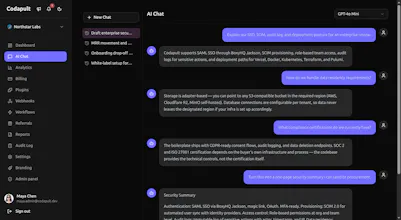
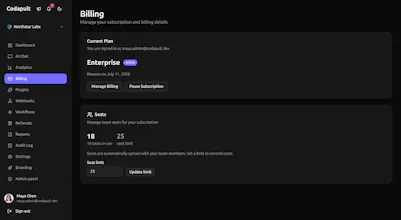
A production-ready Next.js 16 SaaS boilerplate with built-in AI, MCP context for coding agents, authentication, billing, teams, admin tools, and more. Full source code, one-time purchase, no vendor lock-in, and self-hosting.
Interactive

Payment Required
Launch Team / Built With


Viktor.comAn AI coworker that actually does the work
Promoted


Hey Product Hunt! 👋
I built Codapult because I kept rebuilding the same SaaS foundation - authentication, billing, teams, and admin - before getting to the product itself. I also wanted a codebase that stays understandable as it grows, especially when AI coding agents help implement it.
Codapult is a full-source Next.js 16 SaaS foundation built around clear module boundaries and adapter-based integrations for auth, payments, storage, background jobs, and AI services. The CLI helps tailor the codebase to a project's needs, while MCP gives compatible coding agents structured project context. You can self-host it and replace providers without rewriting application logic.
The goal isn't to ship the most features. It's to give developers a foundation they can adapt without accumulating unnecessary complexity.
For those building SaaS with AI coding agents, what's been hardest to keep under control as the codebase grows?