
The Leaderboard
by Product Hunt
Wednesday, Jun 03
Wednesday, Jun 03
Maps had one job
gm legends, happy Wednesday.
The safety navigation app Google never bothered to build, the observability tool that opens the fix PR, and the API that installs itself into your customer's codebase.
Lit streets only

Walkable assigns a score to every block based on lighting, pedestrian traffic, time of day, and live safety data, then routes you around the parts you'd skip anyway. Three modes: Safest, Balanced, Fastest. You decide how much to trade.
🔥 Our Take: Navigation apps have had years to build this. None of them did. Walkable scores every block on lighting, pedestrian traffic, and live crime data, then routes you on streets you'd actually choose. Bronix built it on dense Turkish city streets, not in a test environment. If Google Maps had wanted to build safety routing, they would have. They didn't.
Your bugs file their own PRs
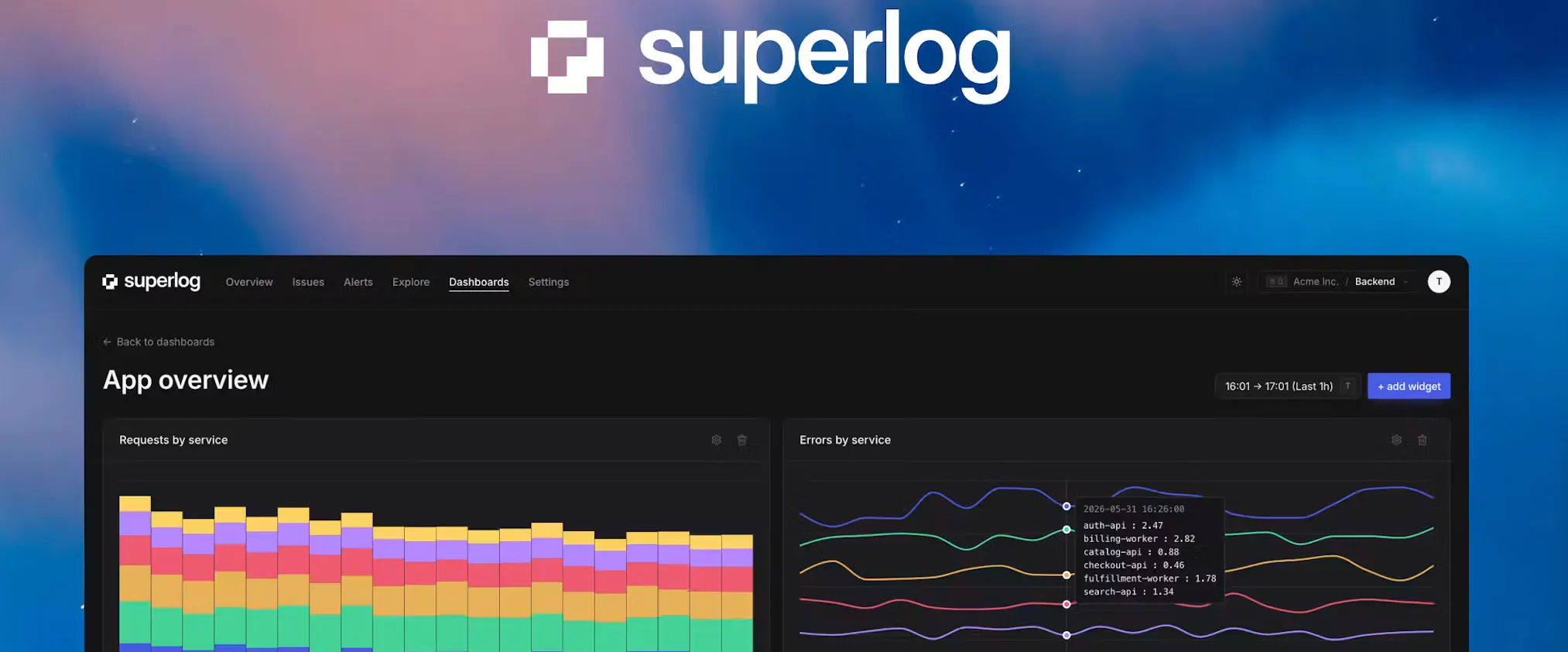
superlog instruments your repo with OpenTelemetry from a single prompt, groups noisy errors into one incident, and posts a mergeable fix PR straight to Slack. Open source, vendor-neutral, no Datadog contract required.
🔥 Our Take: superlog opens the fix PR when something breaks. The productivity gain is real if you actually read and understand it before merging. If you don't, you're shipping bugs your tool wrote.
Your API installs itself

Forward runs one command in a customer's repo, reads their codebase, writes your integration code on a new branch, runs their tests, and opens a PR. No documentation required on their end.
🔥 Our Take: Every API company has people whose whole job is getting customers from signup to first successful call. That gap — the documentation, the onboarding calls, the back-and-forth — is where deals die. Forward turns it into a command. The whole solutions engineering handoff just became automated.
The problem you can't unsee
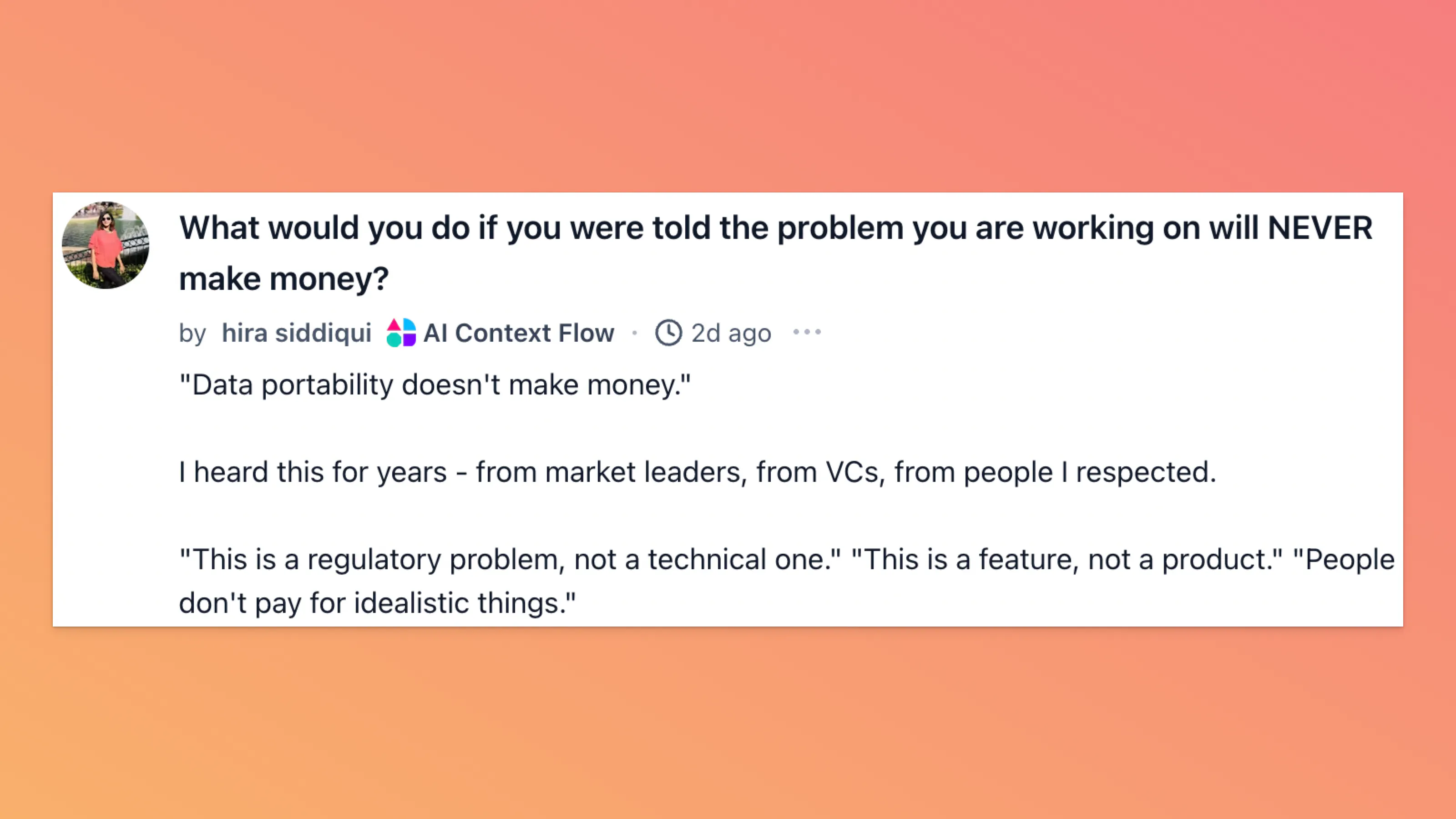
Hira Siddiqui (@hira_siddiqui1) posted from inside the problem. She's been building AI Context Flow, a tool for moving your AI context across platforms, and she's heard the objections: nobody will pay for it, the platforms will build it themselves, it's not a business. The question she threw open: what do you do when you're told the problem you're working on will never make money?
The replies ran the range. Some founders said they kept building and the market caught up. Others pushed on reframing: Dani Mashael argued that "the problem is rarely the problem, it's the packaging." A few took the harder line that most unprofitable problems are distribution problems, not product ones.
Daily Top Products


