I spent yesterday debugging a payment flow that an AI assistant confidently generated for me. The happy path? Flawless. The part where a user's card declines mid-transaction and we need to retry with exponential backoff while logging to three different services? The assistant completely missed it and didn't even flag that it was skipping anything.
It got me thinking about where these tools actually excel versus where they consistently fall short. They're genuinely exceptional at scaffolding, at spinning up the obvious structure of a feature. But the moment you need to handle what shouldn't happen race conditions, partial failures, the weird state your system ends up in at 2 AM they seem to lose the plot entirely.
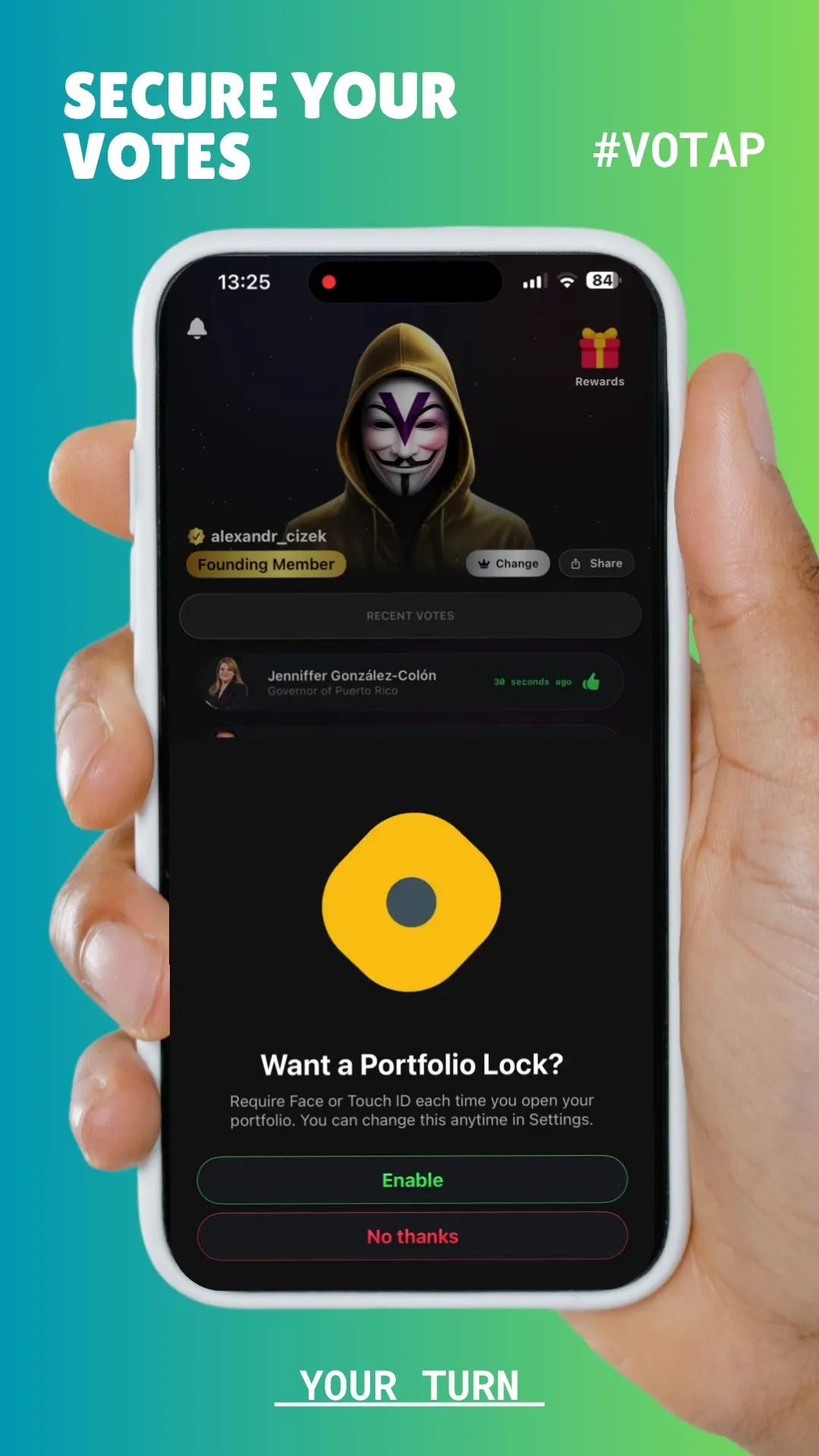
Votap lets you rate politicians and news outlets, building a private portfolio of who you back and who you don't. It's honest political data at a personal level. But personal political data on a shared or borrowed device? That gets awkward fast.
This is one of the harder calls in go-to-market and I don't think anyone has fully solved it.
Zero results is easy. Zero means stop. The hard case is bad-but-not-zero, where something is technically working but not enough to justify the time, and you have to decide whether it needs more runway or whether you're funding a dead end.
The rule I've landed on: I stop looking at the final number and look at whether any part of the funnel is improving. If the top is growing but conversion is flat, it's a targeting problem and worth fixing. If nothing is moving anywhere after a fair run, more time won't change it. Volume alone has never rescued a channel for me.
That's held up so far, but it's one person's rule from one set of products, so I'm curious how others handle it.