I have been thinking a lot about how AI is quietly transforming the way we work, not replacing jobs entirely, but definitely reshaping them.
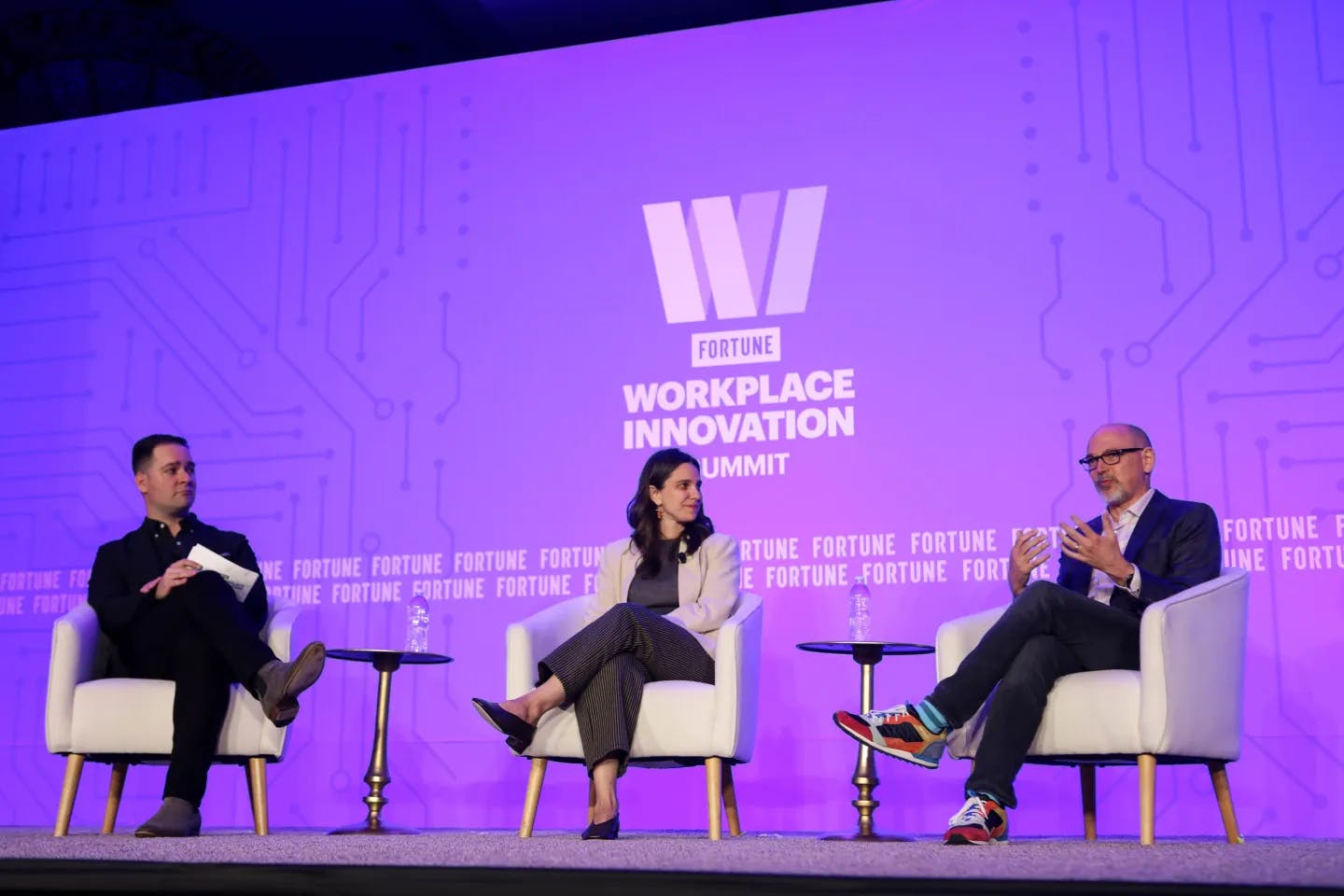
At a recent Fortune summit, the CEO of Indeed said AI can now handle over half the tasks in most roles. But no single job can be fully automated. OpenAI s Chief People Officer even called it a reimagination of work.
I m currently working on a product designed for users around the world, and as exciting as it sounds, building something truly global comes with a lot of unexpected challenges.
I m exploring the integration of Model Context Protocol (MCP) the vendor-neutral standard for passing app-specific context into LLMs and I m curious if anyone here has already worked with it.
A lot of us tend to neglect our health, being so entrenched in the work we're doing. That's unfortunate because without health, we can't really do much. It should be prioritized above all.
Prioritizing health starts with simple habits. Personally, exercising even just 45 minutes a day (usually in the morning) - whether that's lifting weights or shooting hoops has greatly improved my posture, energy levels, confidence, and mental clarity. It sounds cliche, but I really do believe exercising is a super-enhancer. What is one healthy habit that has yielded improvements for you?
I m currently building a product that blends digital efficiency with human warmth. It s designed to solve a real pain point, but in a way that respects emotion, context, and intuition.
Student burnout, anxiety, and isolation are more common than ever, especially with remote learning and academic pressure. I ve seen some early-stage tools try to address this, but I wonder what more can be done.
How do you think AI can actually help improve student mental health and well-being?
AMA HOST WILL GO LIVE ON MAY 7TH @ 11AM EST Hello everyone! Matthias here. As Chief Product Officer at KAYAK, I lead our AI initiatives and development of intelligent travel interfaces.
First thing I'll say is that AI in travel is deceptively complex. Many companies claim to have "solved" it, but most solutions fall short in critical ways - either they don't access real-time pricing, they hallucinate travel information, or they create frustrating user experiences.
AMA HOST WILL GO LIVE ON MAY 7TH @ 11AM EST Hello everyone! Matthias here. As Chief Product Officer at KAYAK, I lead our AI initiatives and development of intelligent travel interfaces.
First thing I'll say is that AI in travel is deceptively complex. Many companies claim to have "solved" it, but most solutions fall short in critical ways - either they don't access real-time pricing, they hallucinate travel information, or they create frustrating user experiences.