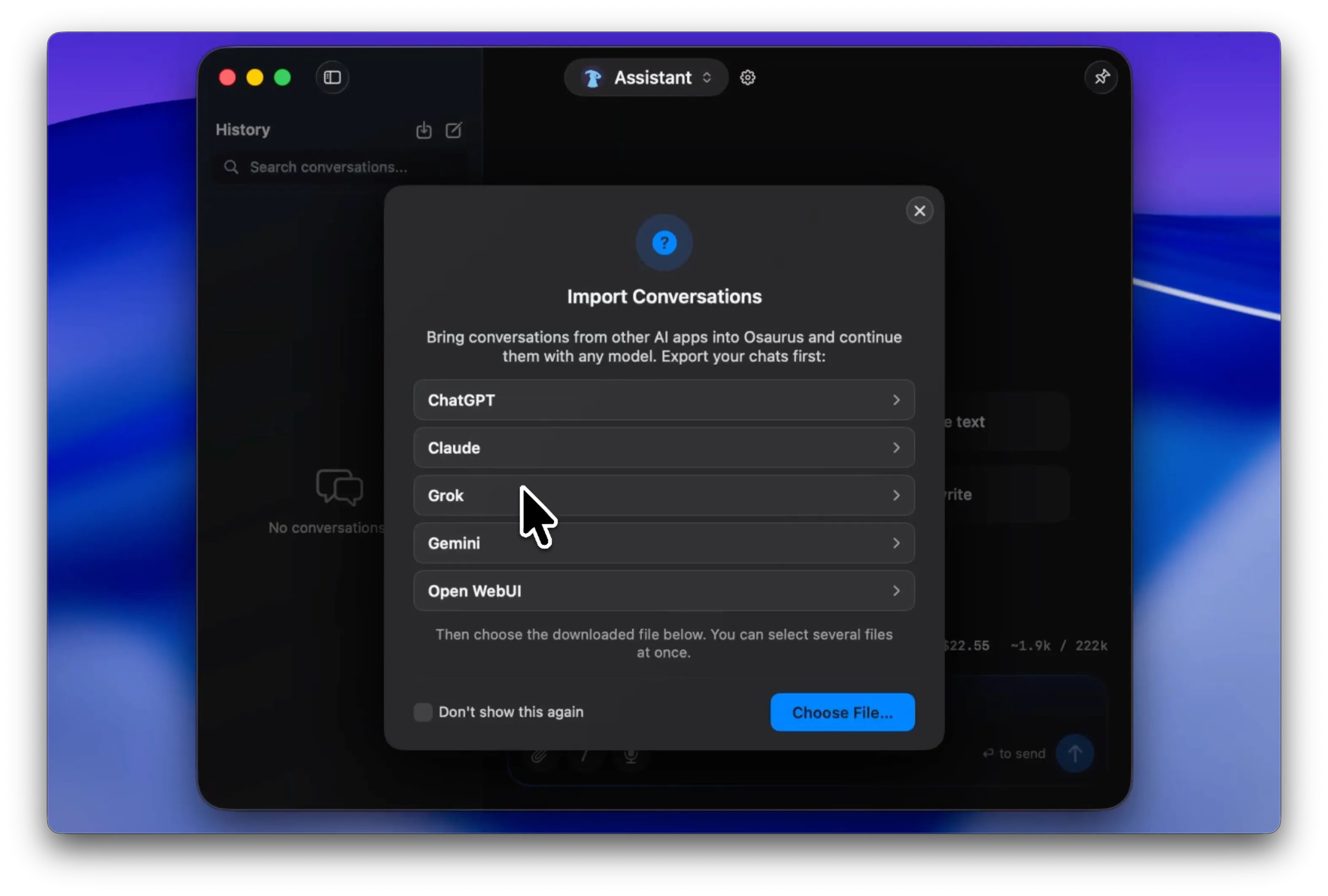
Everyone talks about model lock-in, but the real switching cost is your conversation history. Months of context, decisions, and half-finished projects living inside one app.
We just shipped chat import in Osaurus (free, open source Mac app) so you can export your conversations from ChatGPT, Claude, Grok, Gemini, or Open WebUI and continue them with any model. Building it made us realize how differently each app treats your data on the way out. Some exports are clean JSON, some are a mess clearly not designed to be read by anything else.


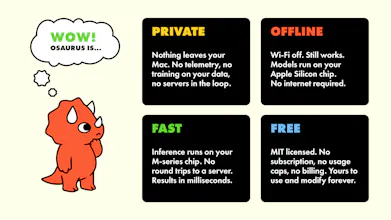


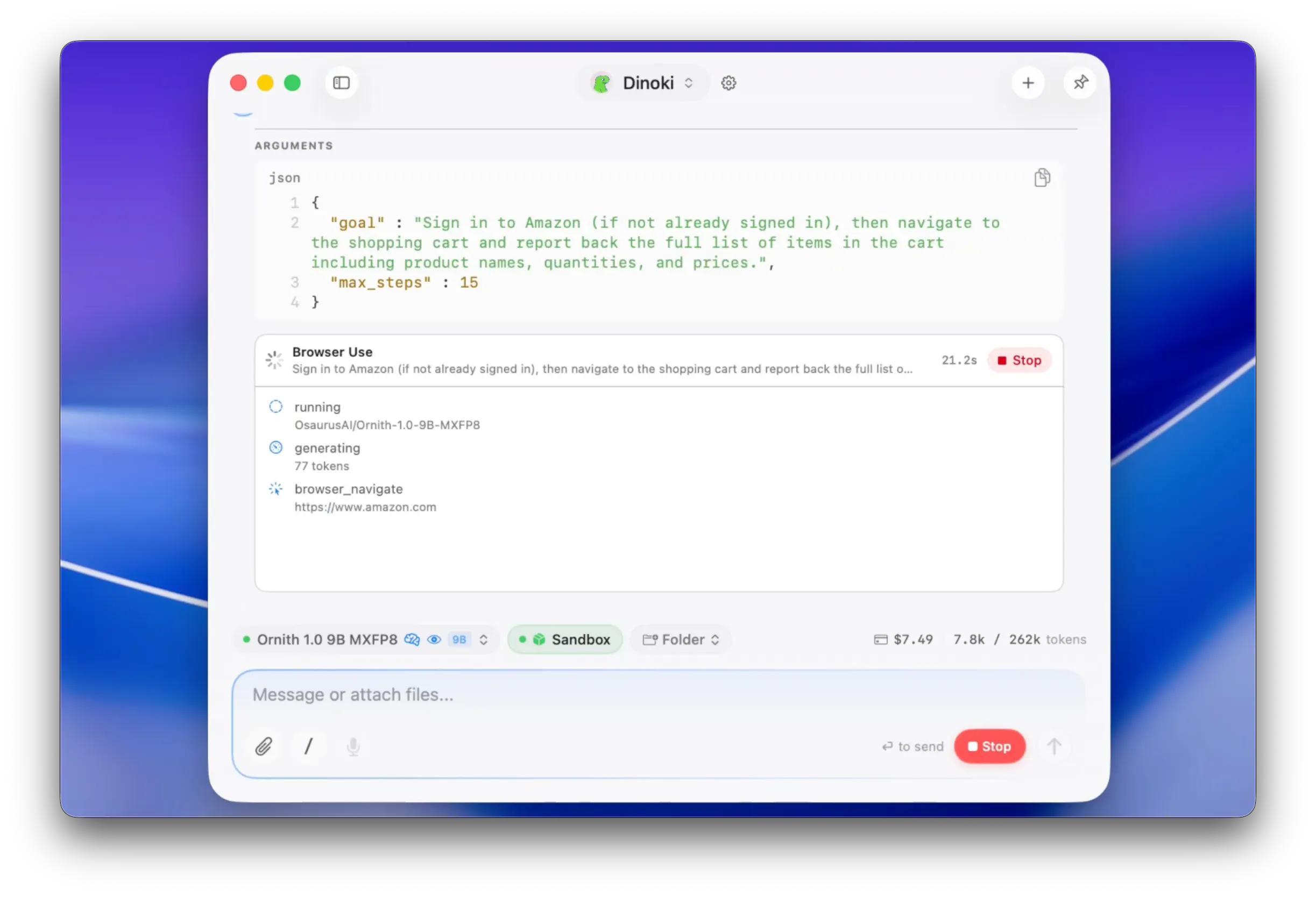
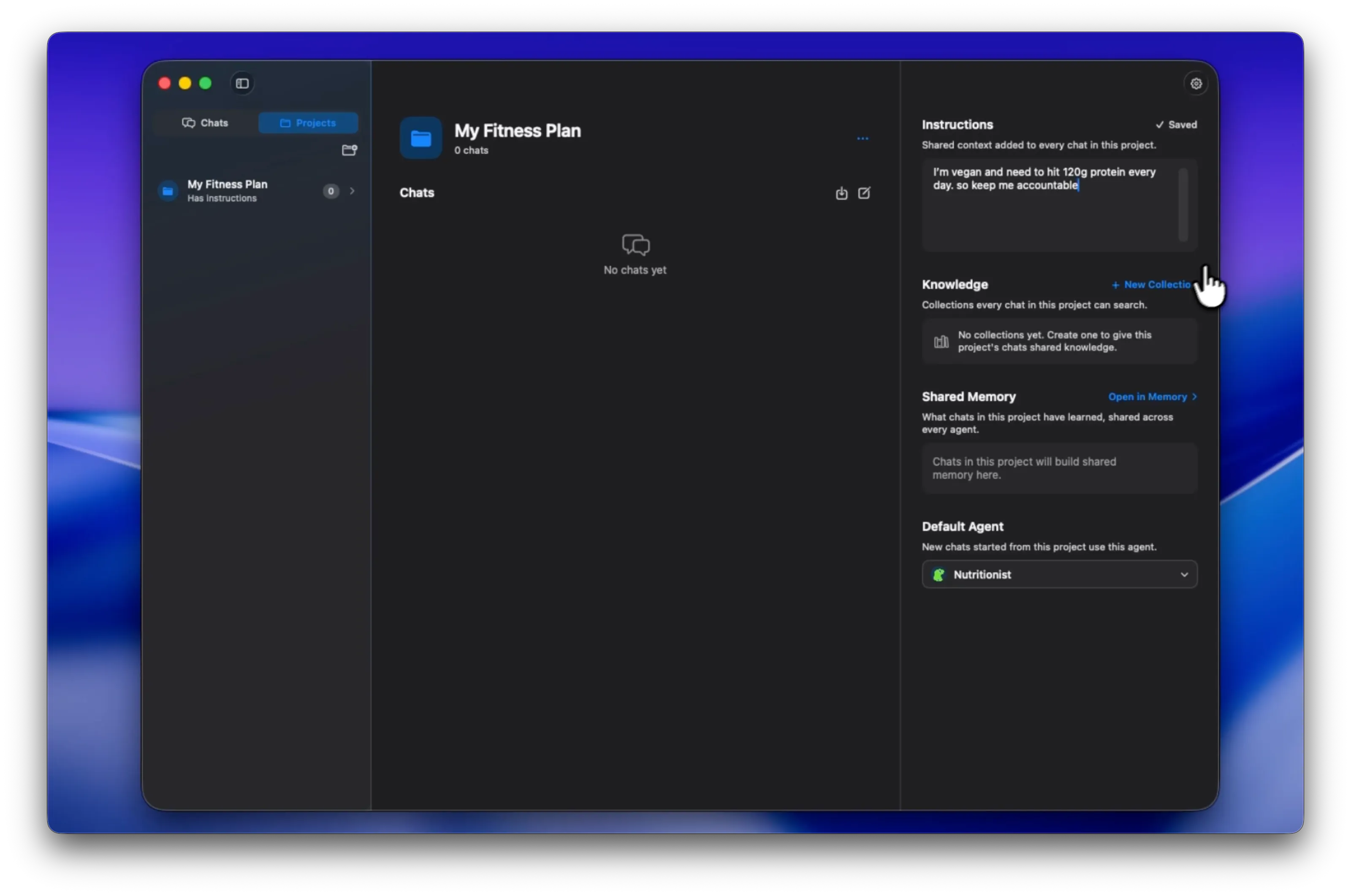
You describe Osaurus as an AI agent platform rather than just an assistant. Long term, do you envision users interacting with a single persistent agent that accumulates years of context, or a collection of specialized agents with separate memory and identities?
Osaurus
@tarqiya_forgah There's use cases for both, having a single agent (or orchestrator) that accumulate years of context, and having multiple agents (or subagents) that are specialized with contexts that can perform specialized tasks.
What we're discovering now is, local models trained with specific set of tasks, they are capable of performing at the same level (if not better) than frontier models for those tasks.
We believe this is just the beginning of a local-first AI harness. We call it a platform because we expect others to join us in shaping what this future would look like.
Congrats on the launch! With the approval gate on every action, does that mean autonomous runs stop and wait a lot, or is it smart about only flagging the risky stuff like sending a message or running code?
Osaurus
@irahimiam It's about having control, and you will be asked each step, but you can always choose "Always Allow" for specific actions you feel comfortable with.
Local-first agents is the direction I keep hoping wins. The cryptographic identity part is interesting — most agent frameworks treat identity as an afterthought. Curious how heavy it gets memory-wise with a couple of agents running on an M-series Air?
Osaurus
@alex_tomilin How big is your Air? I would suggest having minimum RAM of 16GB, but 24GB is recommended. Depending on the model you choose but it could take up anywhere between 8GB ~ 12GB RAM during active usage.
the approval gate plus "always allow" per action is the right default, but the part I'm actually curious about is the open source contribution angle - if community members start shipping shareable agent skills/plugins that get access to iMessage or Contacts, is there any review step before those get trusted, or is it on the user to audit what a downloaded skill can touch before installing it
Osaurus
@galdayan We accept contributions but we make sure it's strict to our code standards. We have artifacts that allows agents to run through series of checks before making the PR. We set our standards high for developer contributions
this is one of the more compelling "local AI agent" pitches I've seen, the approval gate before every action is the part that actually matters to me, most of these tools just yolo the agent loose on your filesystem. question on the self-scheduling piece you mentioned - does that still fire if the Mac is asleep or the lid is closed, or does it need to actively be awake/plugged in for scheduled runs to trigger?
Osaurus
@omri_ben_shoham1 Thank you for your feedback! It does require your Mac to be on and awake. It will queue it up until your system comes active.
Congrats on the launch. The approval gate feels like the right trust boundary for an agent that can touch files, Calendar, Contacts, and iMessage. Iâm curious how you think about permissions once someone has several agents or projects: are you aiming for per-action approvals only, or eventually a project-scoped policy where an agent can access one context but not another?
Osaurus
@wesc Right now we're keeping it simple, per-action approvals seems to cover the highest surface area. In the future, we can get more granular, as agents earn more trust.
That makes sense. Per-action approval is a practical default when the trust surface is still broad, and the idea of gradually earning more granular permissions feels like the right path. It keeps the user in control without forcing a complex policy model on day one.
Mac-native and local is the combo I keep wanting, the Firefox-of-local-AI pitch landed. Practical question: what's the real memory footprint running one of the mid-size models on, say, a 16GB machine, does it stay usable or does it eat everything and make me quit my other apps? That's usually where "runs locally" turns into "runs locally if you bought the maxed-out box." Nice to see something leaning open source instead of another closed wrapper.
Osaurus
@chielephant I would say 16GB is going to be a little tight, but if you use something like Gemma 4 E4B, you should be able to use it alongside other apps.