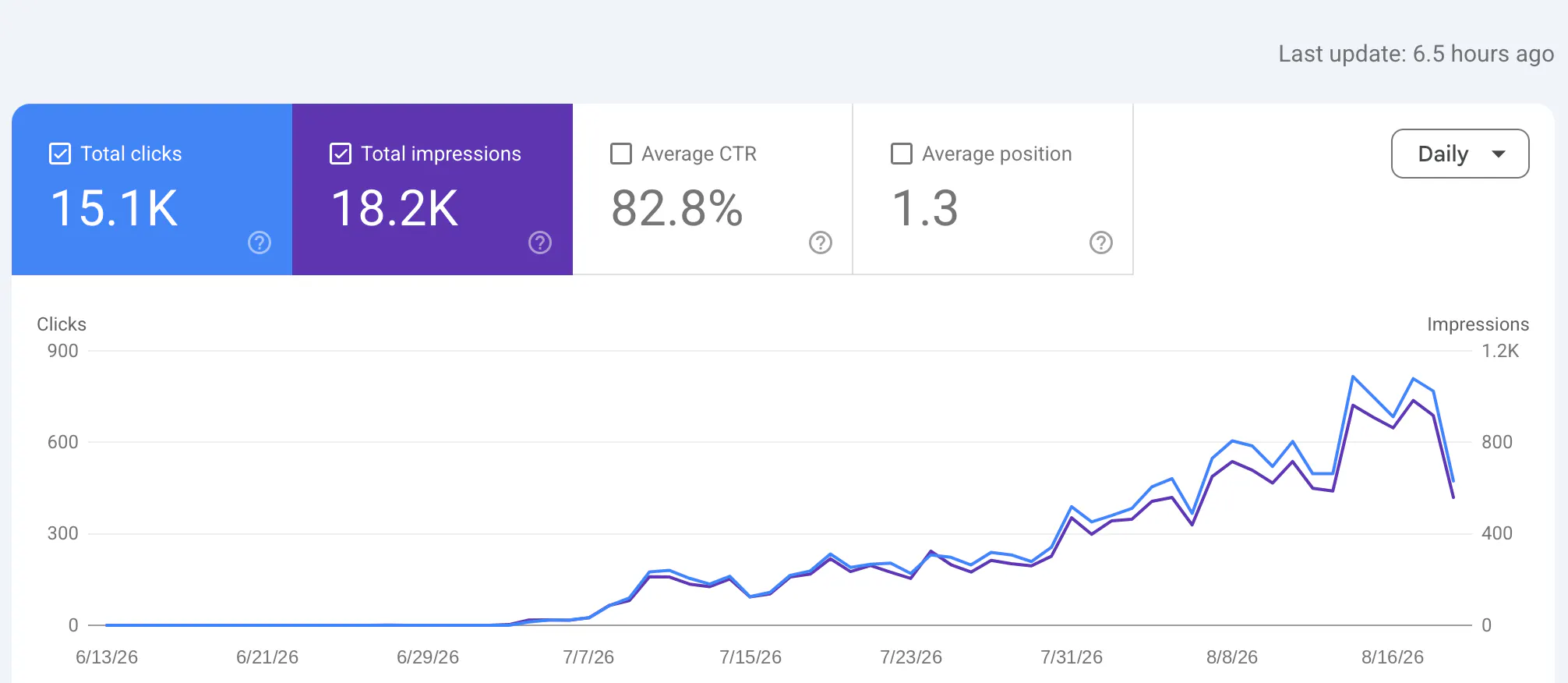
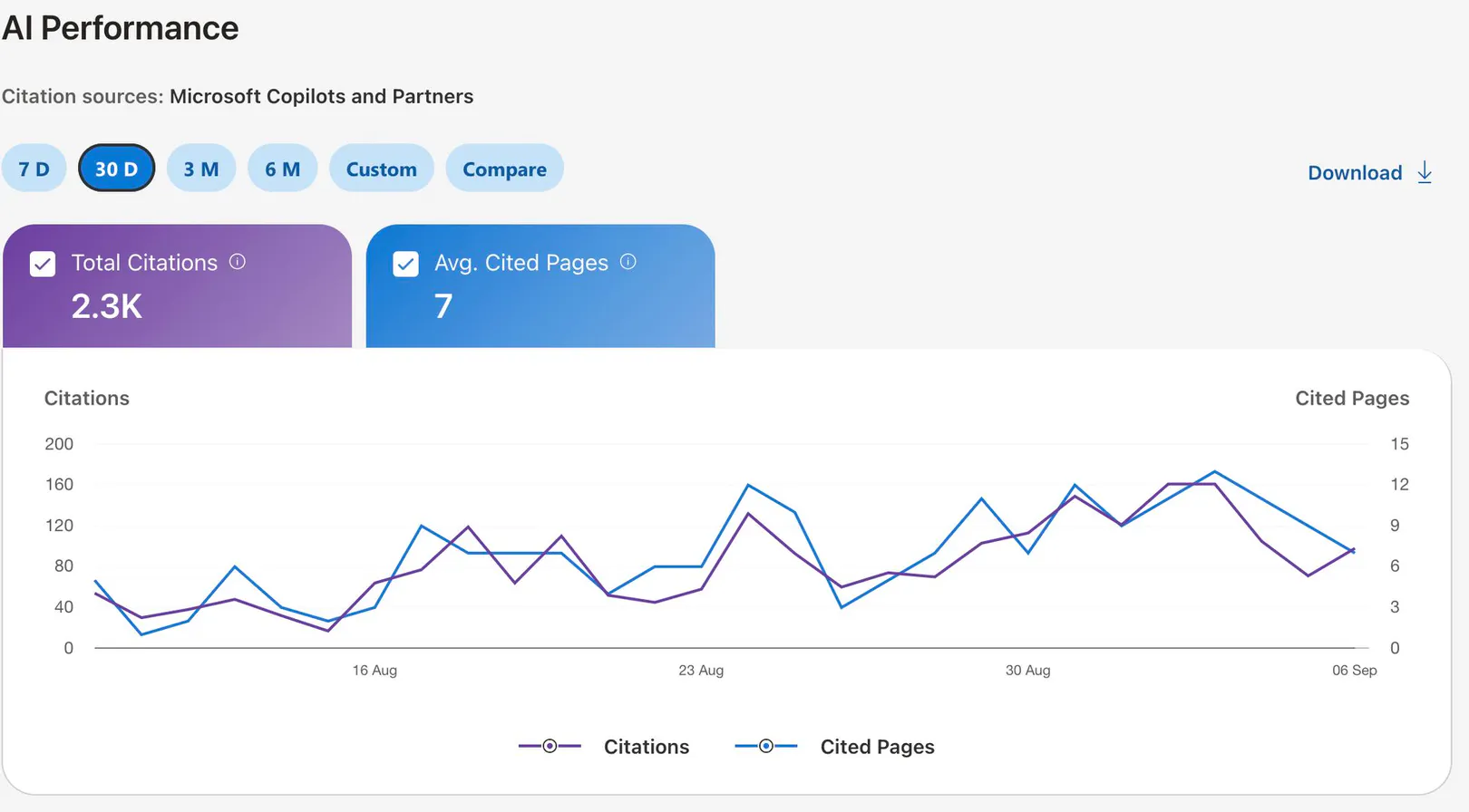
I built Rankhit after seeing founders face the same choice: pay an SEO agency for months of reports, or publish generic AI blogs that never get discovered.
One lesson from scaling TikTok UGC for our B2C SaaS
A small group of creators can produce your first winning videos. But keeping the same pool for too long creates diminishing returns.
We used to put more weight on the creators who had performed best for us in the past. Their content was still good, but the incremental impact declined over time. The format became familiar, their audience overlap increased, and even strong creators stopped feeling new.
What worked better was expanding the number of good creators across different locations, accents, styles, and micro-audiences.
When a prospect searches for [your product] reviews or asks ChatGPT whether your product is any good, your homepage is rarely what shapes their first impression.
It is often an abandoned G2 profile, a three-year-old Reddit thread, or a comparison page written by a competitor.
That made me think about reputation ownership.
Would you create a transparent, brand-owned reviews hub that includes real customer reviews, real names and dates where permitted, links to original sources, criticism, and what the team did to address it?
Product Hunt can create a big 24-hour moment: traffic, upvotes, comments, signups, and a spot on the leaderboard.
But once the day ends, most products go quiet again, even when they have a genuinely strong, proven product.
For B2B SaaS founders who have launched before: how did you turn Product Hunt attention into lasting growth when you did not have a large audience, ad budget, or influencer network behind you?
One product decision we made deliberately for RankHit: we did not build a backlink exchange.
It is difficult to make it a genuine win-win when the authority and relevance of sites vary so widely. A low-authority or irrelevant site cannot fairly exchange a link with a stronger, highly relevant one, and the outcome becomes dependent on available inventory instead of real value.
Instead, we are building article distribution into RankHit. Every article can be repurposed into tailored posts for LinkedIn, X, Threads, and other channels, helping teams turn one piece of content into actual reach, engagement, and potential natural backlinks.
We also wanted this to be accessible for smaller teams, so RankHit is priced around 40% lower than comparable AI SEO content platforms.
Hey Hunters 👋
RankHit isn't another content-quantity tool. It engineers each article's structure to match how ChatGPT parse and cite sources, then aligns content around the real questions people ask AI. The result: articles built to get cited, not just indexed. Less noise, more mentions.
Next up: turn every article into tailored LinkedIn, X and Threads posts. Unlike low-value backlink exchanges that create mismatched links, distribution gives customer real reach and a path to natural backlinks