
gm legends, happy Saturday.
Today: a terminal you can turn into a Game Boy, a student who taught himself Swift to kill his own bibliography, and a Tokyo train you can sit on without going to Tokyo.
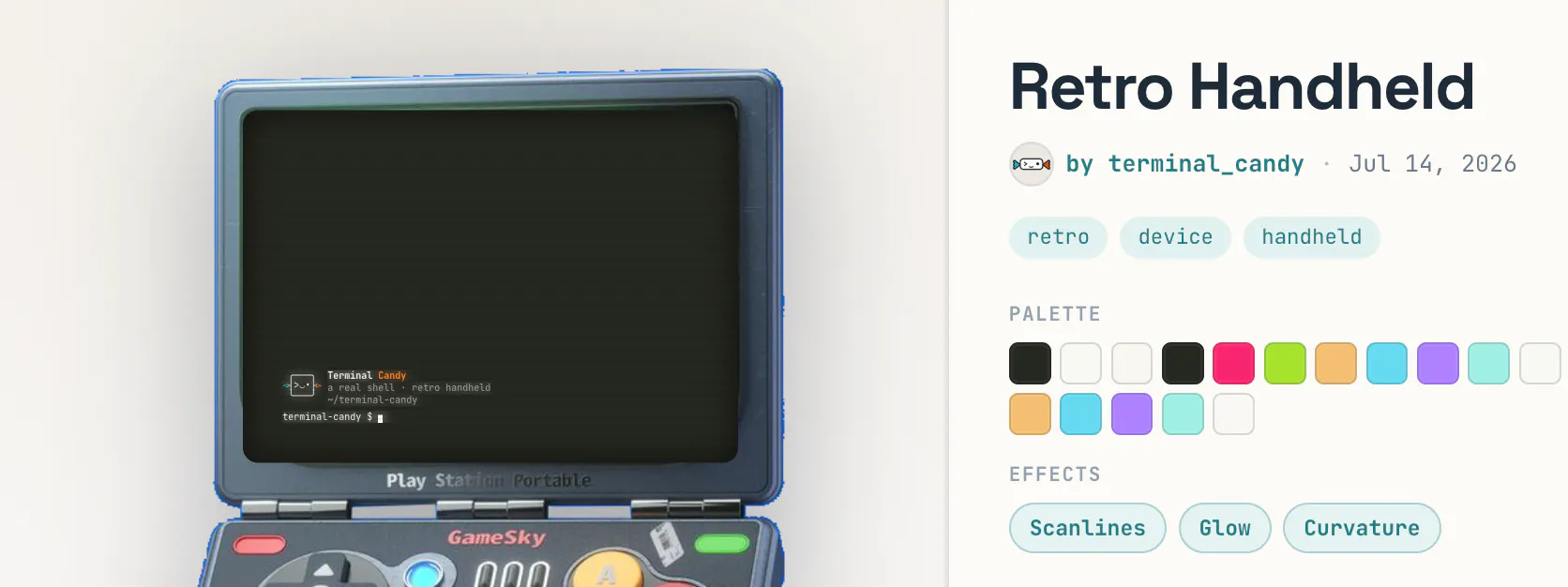
Terminal Candy is a proper macOS terminal you can skin into a Game Boy, a cassette deck, a Pip-Boy or any image you fancy, with scanlines and phosphor glow over the top if you want them. Peter Hough spends his whole day in there and got fed up of it being a grey box, so he built the skin editor into the app and had it bounce the dock when Claude Code or Codex needs an answer. It's $10 once, or free if you publish ten skins other people end up using.
🔥 Our Take: Right, a terminal shaped like a Game Boy sounds silly until you see the scanlines and the phosphor glow and quietly start wanting it. Proper terminal underneath, no Electron, ten quid once and no subscription. And the dock bounces when Claude Code is sat there waiting on you, which he mentions last, almost apologetically.
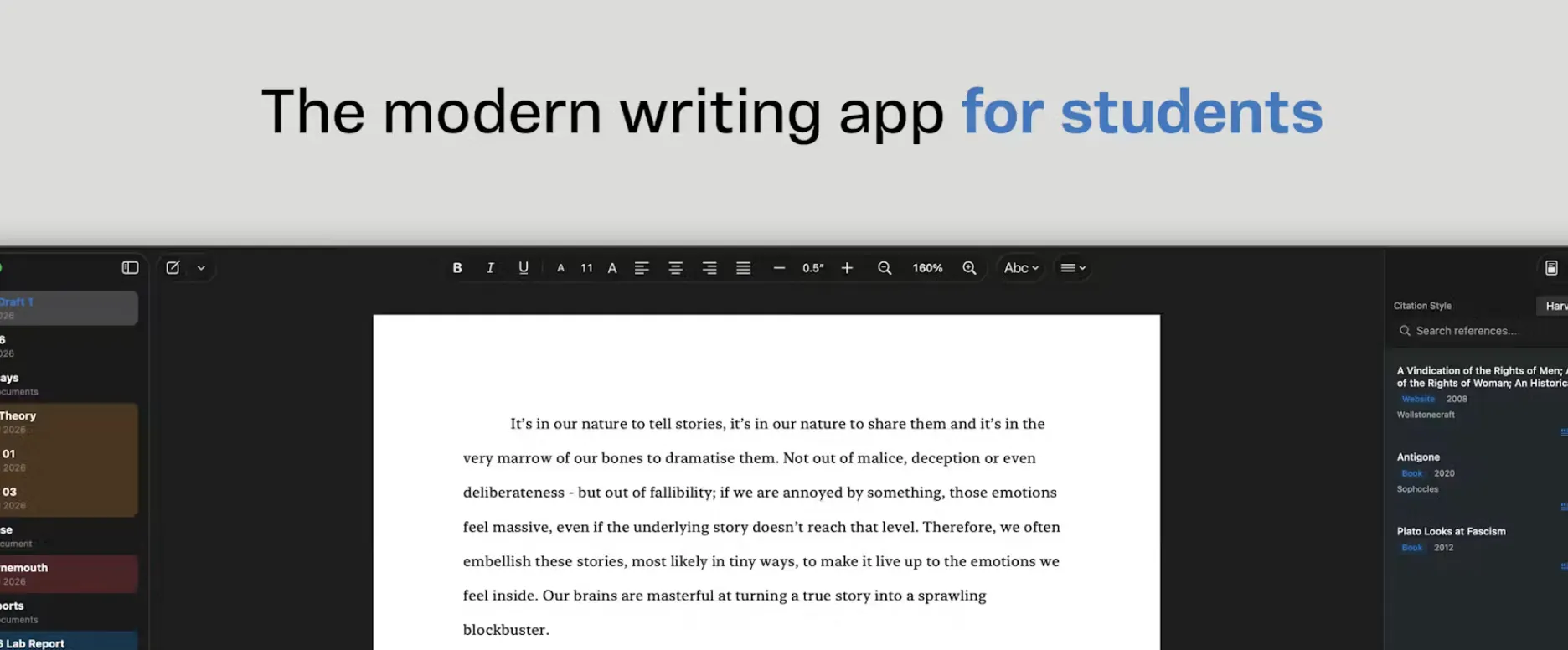
Noah Page studies creative writing and kept losing whole evenings to Word's citation plugin, which was fiddly to set up and worse to live with. So he taught himself Swift over two years and built EssayKraft, a native Mac and iPad essay app that keeps the references out of your way while you write. It's the first app he's ever shipped.
🔥 Our Take: Teaching yourself Swift for two years because Word's citation plugin annoyed you is a mad reason to build an app and I'm completely here for it. First thing he's ever shipped, and it does the one job he actually needed it to do. Zotero does more and always will, but nobody wants to learn Zotero at midnight.
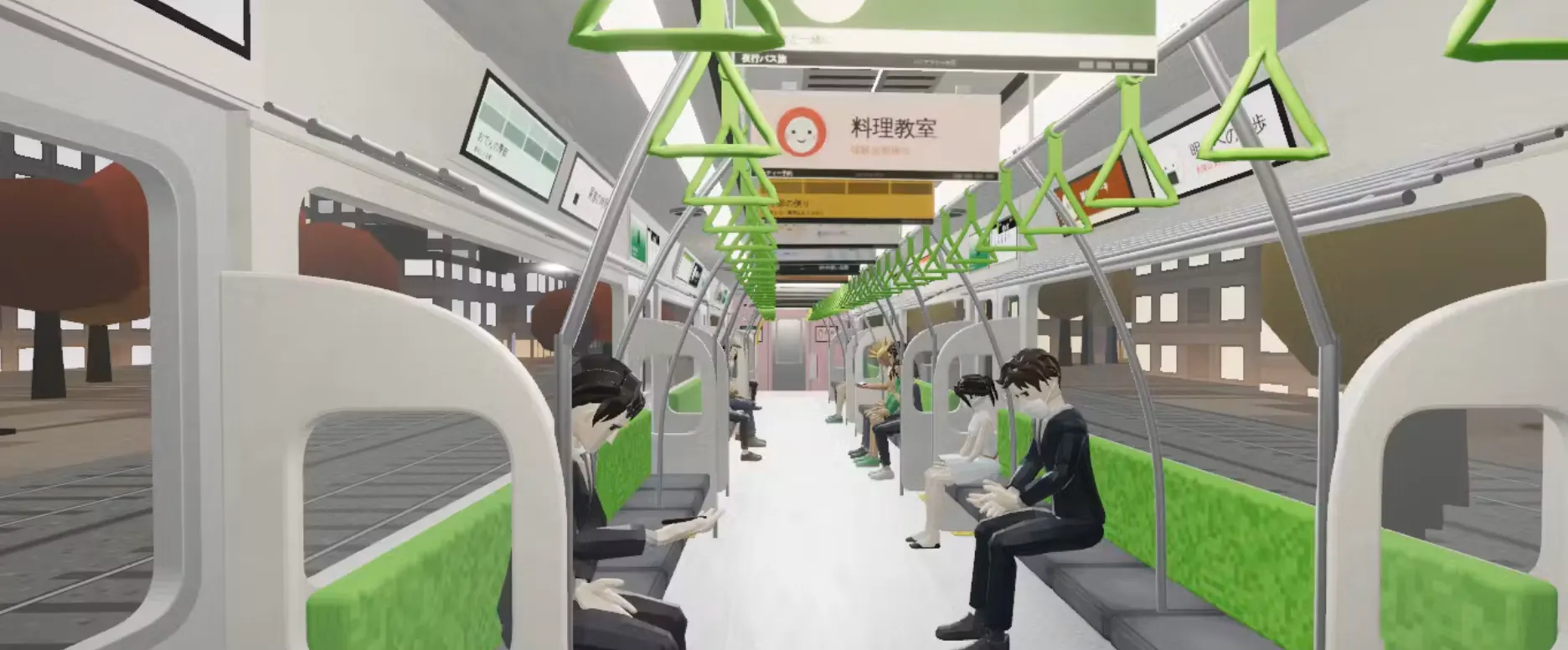
Yamanote 3D drops you inside a JR East E235 carriage on Tokyo's loop line, where you can take a seat, watch the city go past, listen to the announcements and get off at the stations. Bruno Paiva built it because he wanted the sound and the feel of a train journey going in the background while he works, and a looped video wasn't doing it. There are no missions and no score.
🔥 Our Take: There's nothing to do in this and that's the whole point, you get on, sit down, watch Tokyo slide past. Japan's been making Yamanote games since 2001, always with you driving, and the one you'd actually leave running is the one where you're a passenger. It's up against the lofi beats stream, and it wins.

 11 •
 Design Tools


