
gm legends, happy Tuesday.
A Ukrainian sound designer went quiet,Krisp finally crossed the language line, and someone built the cleanup crew for AI slop.
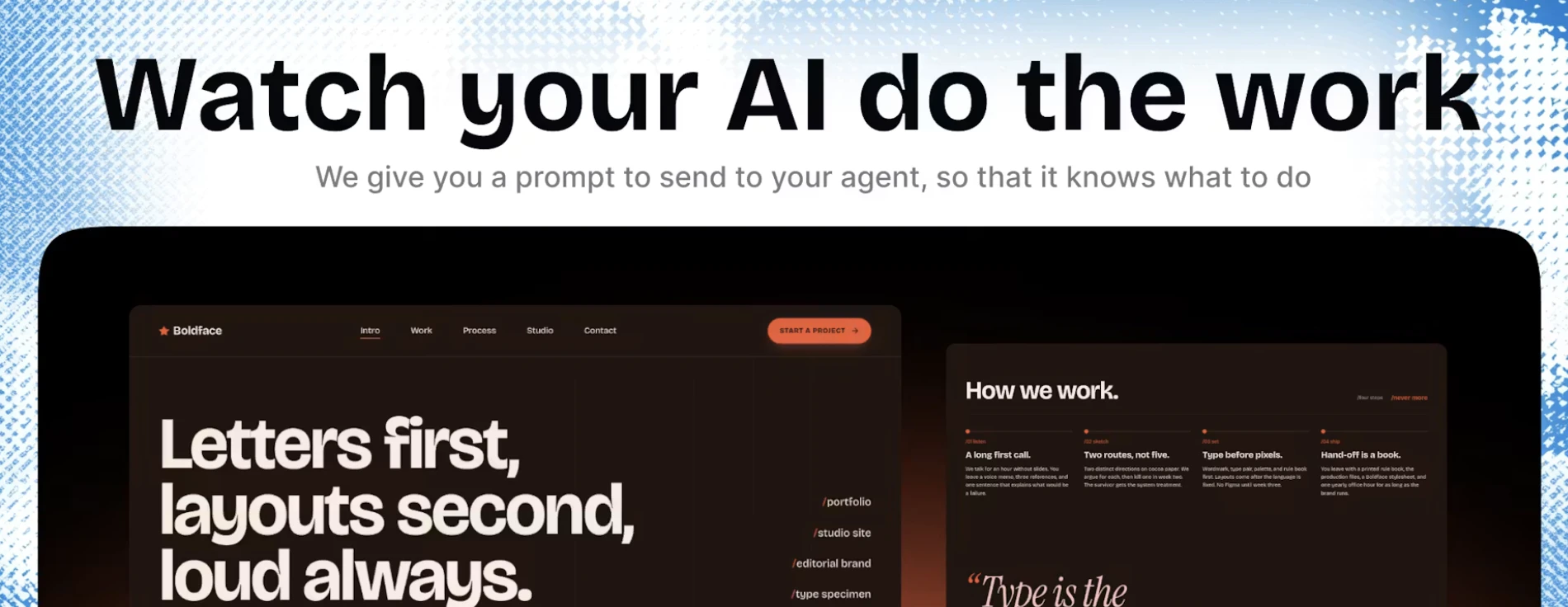
Uiverse Design is a library of 3,500+ community-made CSS and HTML components relaunched today with one pitch: de-slop your AI-generated websites. Adam Giebl built cssbuttons.io, then built this.
🔥 Our Take: Every AI-generated website uses the same card layout, the same serif-and-sans pairing, the same hover state. That's not a model failure. It's a training data failure. Giebl has been collecting community-written CSS components since 2022. Drop one in and you'll see immediately whether the problem was the tools or the taste.
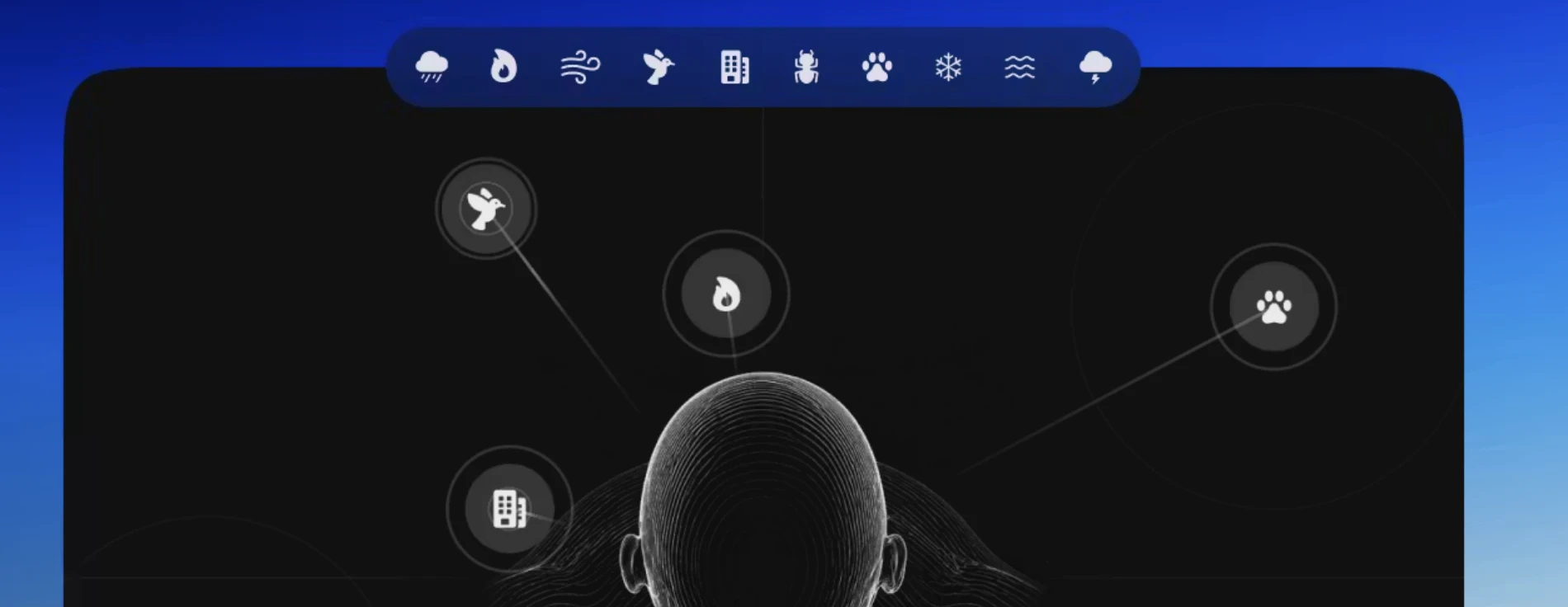
prostir zvuku — Ukrainian for "sound space" — is a Mac app where Yevhen Holota, ex-UX designer at Ubisoft, lets you position rain, fire, ocean, and birdsong on a canvas to build a personal soundscape for focus or sleep.
🔥 Our Take: Holota spent years on UX at Ubisoft. Loud work, complex systems, AAA games. Then he built the quietest app he could. Endel and Brain.fm have more funding, more marketing, and more users. That's fine. The dock doesn't have a minimum viable user count. Either it makes your room quieter or it doesn't.
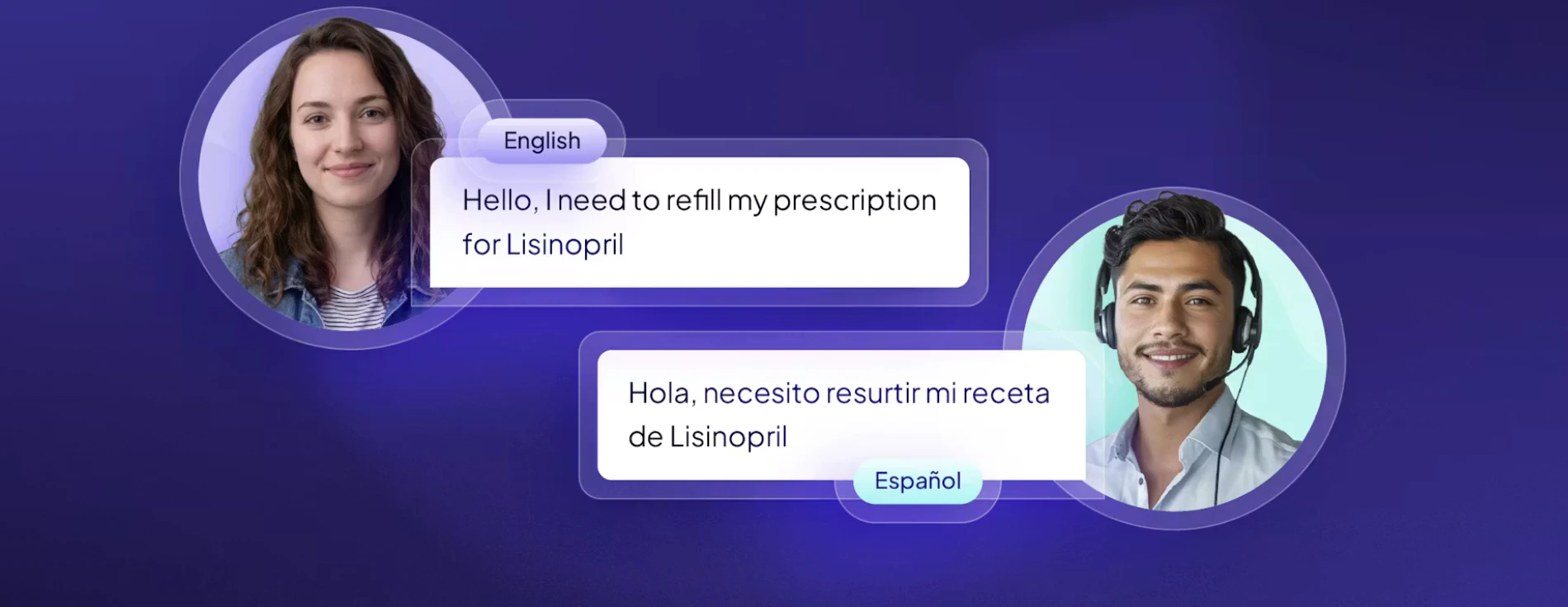
Krisp Voice Translation API is real-time speech-to-speech translation built for accuracy, the latest step from the Armenian company that launched in 2018 by removing background noise and has been expanding its range since.
🔥 Our Take: Krisp launched to remove the noise around your voice. Then transcription. Then accent conversion. Now real-time translation. Each step applied the same premise one layer higher: the problem was always something standing between what you said and how it landed. Noise was the first barrier. Language is just further down the stack.
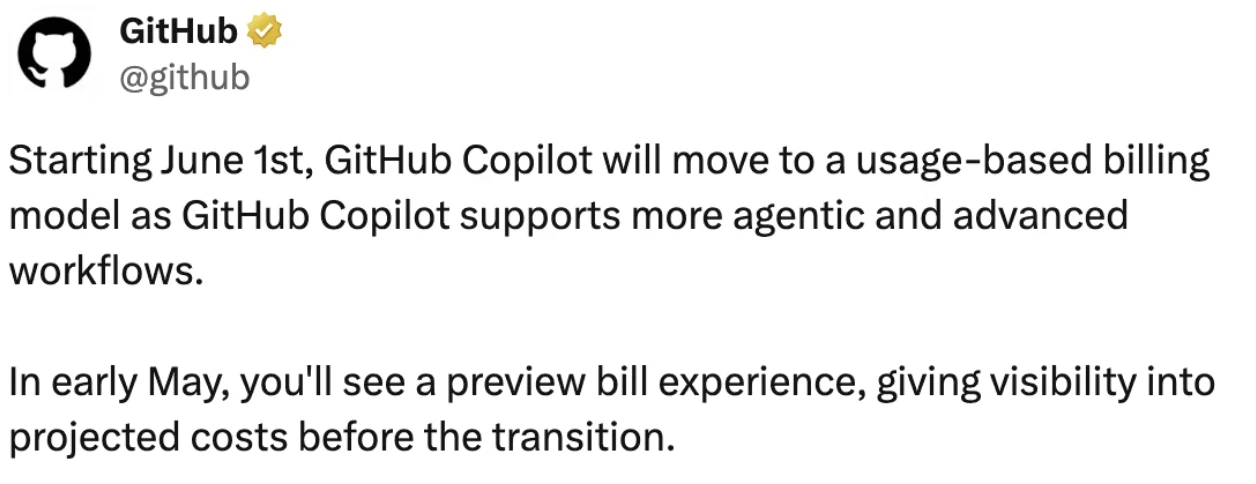
@fmerian opened the GitHub Copilot forum to ask what teams are doing since Copilot switched to usage-based billing on June 1st.
The thread split quickly: 54% are routing tasks to cheaper models and using Copilot selectively, 31% are switching to Cursor or something else entirely, 15% are eating the new bill. Nobody set a hard spend cap.
"Usage-based pricing is the moment the 'just expense it' era ends for solo devs." Someone else put it this way: unlimited messaging was always a quota dressed up as a feature. The new pricing just took the costume off.

 110 •
 Productivity


