
Some chill sunday reading 🫶
gm friends! i hope you're having a well-earned lazy Sunday before we get stuck into it all again tomorrow. Welcome back to the Roundup. In today's issue we've got an AI VC, OpenAI's newest API, a breakdown on MCP, a battle of the giants with Windsurf vs Cursor, and some more. Let's dive in.
Your agents stopped answering and started doing
Your agents call tools, write to databases and move money, so a wrong answer is now a wrong action, which is a considerably worse meeting. Arcjet runs policy before every LLM call, tool call, query and API request: prompt injection, sensitive data, bots, rate limits, spend quotas, and your own rules in Rego on top. It reads the OpenTelemetry you already emit, so switching it on is one environment variable, no code changes and nothing to deploy. Each check also reads the earlier steps in the same workflow, so an agent's tenth action gets judged against the first nine and not on its own. JavaScript, Python and Go SDKs all at 1.0, agent framework guards included, free tier to start on.
Leaderboard highlights


What the h*ll is MCP?
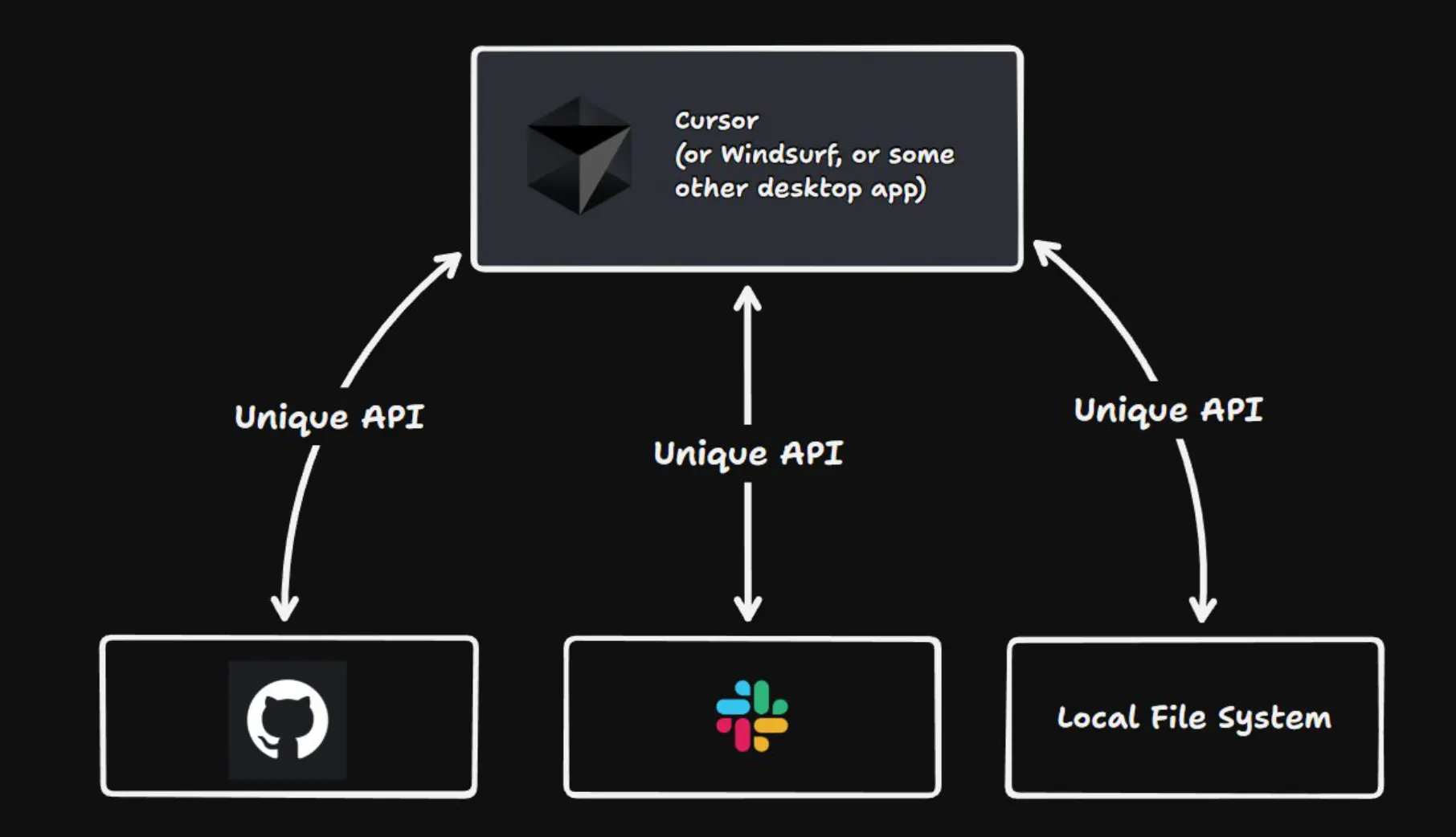
If you’ve been seeing MCP (Model Context Protocol) pop up everywhere and wondering if you should care—yeah, you probably should. It’s an open standard that lets AI models talk to external data sources and tools in real time without needing messy custom integrations. Instead of AI responding based only on what it was trained on, MCP lets it fetch live context from APIs, databases, and apps as needed. Think of it as a universal adapter that plugs AI into the rest of the internet without duct-taped workarounds.
Companies like Replit, Codeium, and Sourcegraph have already started integrating MCP, which means their AI agents can now retrieve relevant data, execute code, and even act on behalf of users without being stuck in a static training loop...
Windsurf vs Cursor
Two AI-powered IDE’s are dominating the space right now, but what’s the difference?
Developers used to rely on autocomplete, linters, and Copilot for small boosts, but AI-powered IDEs like Windsurf and Cursor are taking that a step further. Instead of just assisting, they’re actively shaping how code gets written.
Both tools are built on top of VS Code and powered by Claude 3.5 Sonnet, but their approach is different. Windsurf automates more of the process, analyzing entire codebases and generating suggestions without much input. Cursor, on the other hand, gives developers more control, requiring manual context selection for AI assistance. One is streamlined, the other more customizable.