I'm seeing more products launch on Product Hunt that require payment to actually use any features. No free trial, no freemium tier, just a download that leads straight to a paywall.
Part of me thinks this makes sense. If your product has real value, why give it away? People on Product Hunt understand they're looking at premium tools. Plus offering free access can attract users who will never pay anyway.
But I also see the argument for temporary free access during launch. Product Hunt users want to actually try what they're upvoting. How can they give meaningful feedback or become advocates if they hit a paywall immediately?
We often celebrate the wins and the "hockey stick growth" moments here, which is incredibly inspiring. However, I believe there's a treasure trove of knowledge in the projects that didn't work out, especially in the rapidly evolving world of AI agents.
Tons of great products that we know and use everyday are the result of pivots. You know, sometimes the original idea just isn't working and you have to find a new niche and quick, other times you stumble on a use case that changes the whole game.
Have you ever pivoted? What's the story behind it? How successful was the pivot? I'd love to hear your stories, and potentially feature them in our newsletters!
Tons of great products that we know and use everyday are the result of pivots. You know, sometimes the original idea just isn't working and you have to find a new niche and quick, other times you stumble on a use case that changes the whole game.
Have you ever pivoted? What's the story behind it? How successful was the pivot? I'd love to hear your stories, and potentially feature them in our newsletters!
We re in the thick of redesigning onboarding for a new consumer app trying to make that first minute actually count. Not just informative, but compelling enough that people actually stick around and use it again.
Too many products treat onboarding like a tutorial. And it becomes easy for the user to view it as just another hurdle to get through instead of a moment to get set up for a positive experience. Swipe, swipe swipe, go...
I've been using AI tools for everything lately; writing, coding, design, research. On paper, they should be massive productivity boosters. Instead of spending hours on tasks, I can get decent results in minutes.
But I'm starting to notice a weird pattern. I spend way too much time tweaking prompts, trying different AI tools for the same task, and comparing outputs. Sometimes I'll spend 30 minutes getting the "perfect" AI generated result when I could've just done it myself in 20 minutes.
The biggest boom in remote work was during the COVID pandemic, but corporations have started to call employees back into their offices, either because of prepaid office space or better control over employees' work.
Some have stuck with the remote model until now, e.g. Spotify.
When it comes down to hardware my X feed is filled with two types of designs.
Retro/nostalgic 2000's hardware that was defined by Gameboy translucent purples, Colorful macs, Sony's beautiful eclectic electronics, and embracing colors that pop like pink, purple, and orange.
Sleek, modern, simple designs like the @Humane AI pin, @Limitless, @Friend, or the @omi.
I personally miss the fun days where consumer tech was wacky. Think Tamagotchi, Mini Clips, PSPs, and clear-shelled devices. I do see some like @Burner that have brought back some fun design but I'm curious... what does everyone think? Should we bring back the weird or embrace the sleek, simple, and modern?
I ve launched a few small tools before, but I usually skipped the whole talk to people first step. I d just build, ship, and hope something stuck.
This time, I m trying something different. I started asking around about a pain I kept noticing, SaaS free trials and how hard it is to get meaningful feedback from users.
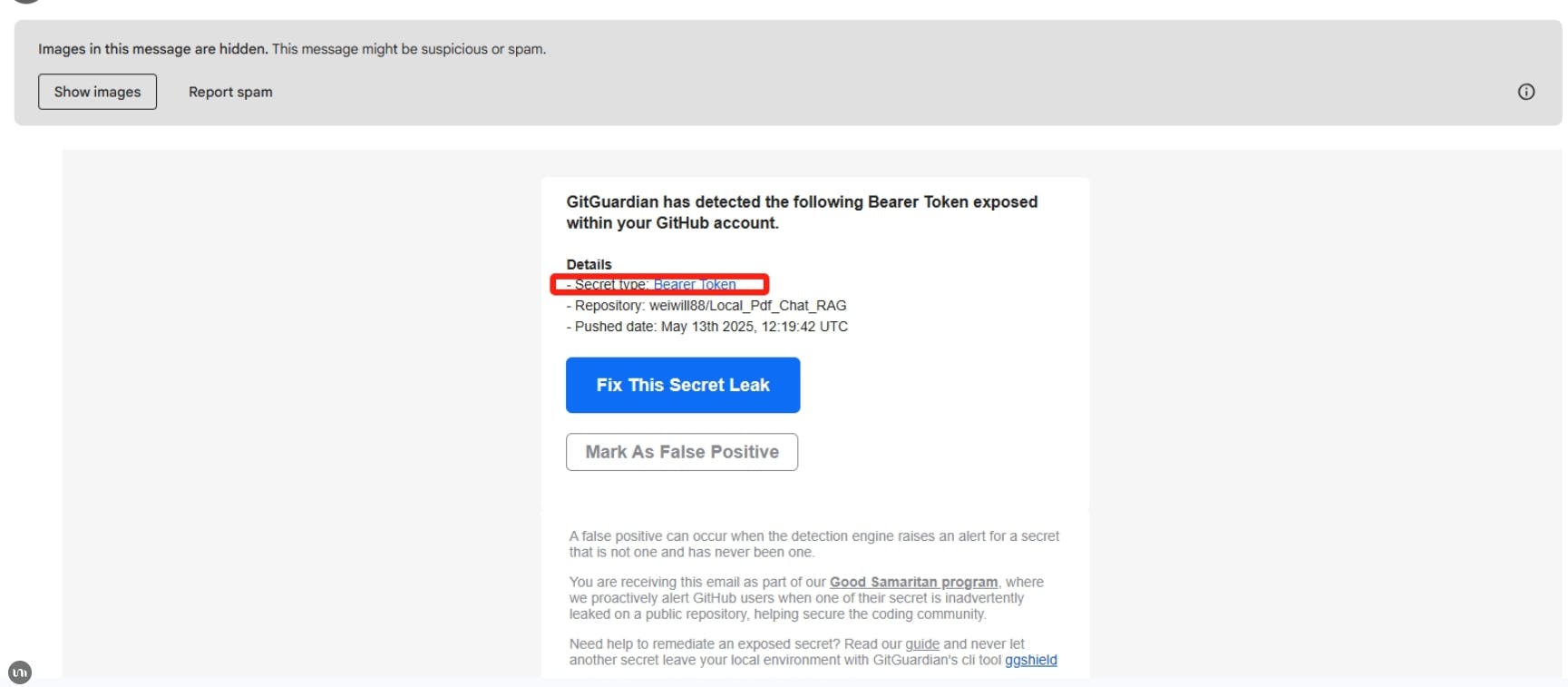
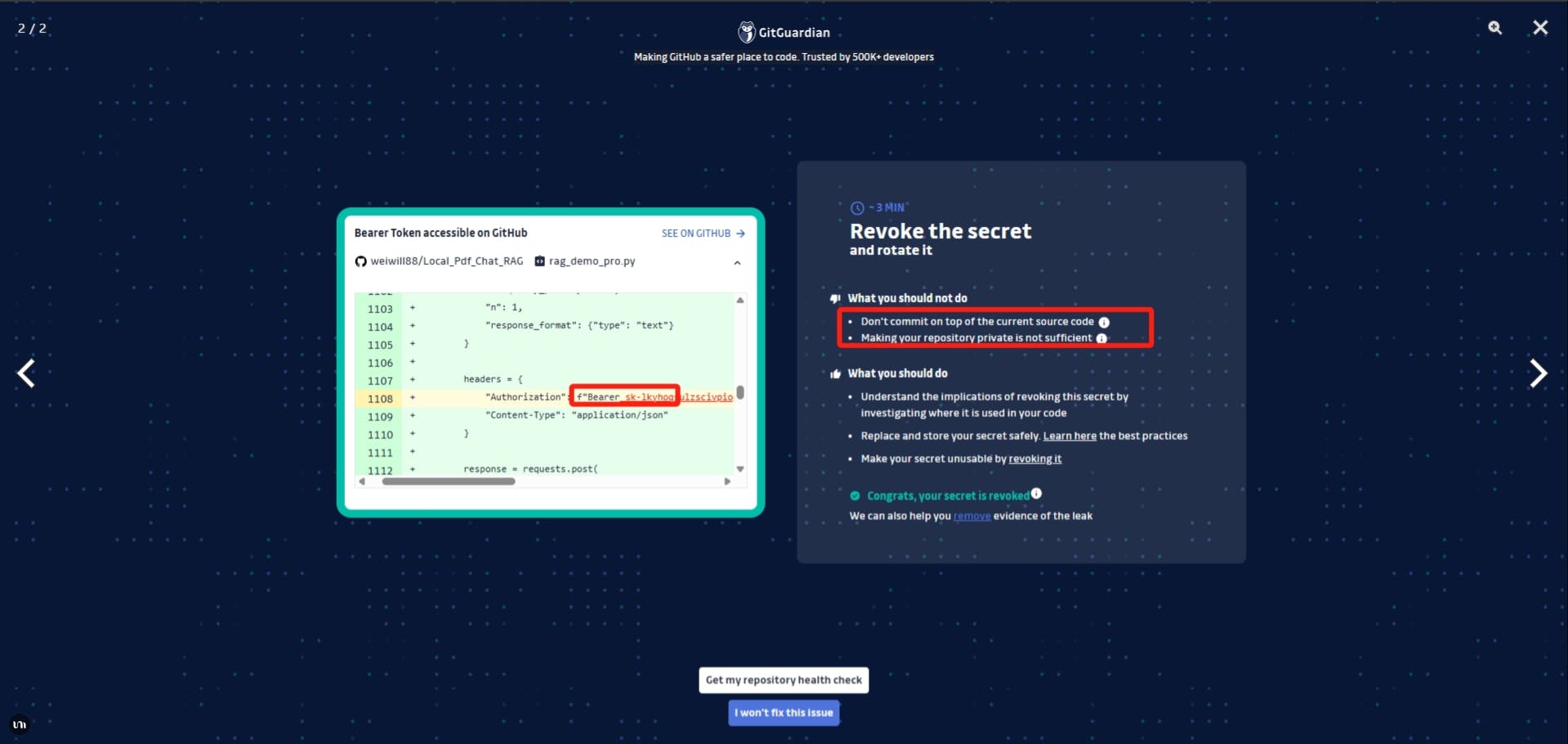
This morning I opened my inbox to find an alert from GitGuardian about a leaked key. My first thought: Great, another phishing email. Nearly deleted it on the spot. Then I realized yesterday when I was using Cursor to bulk-update my scripts, I d left the API key in plain text
I really like Claude, and I use it nearly daily. I feel like I'm probably missing out on taking full advantage of it though, because I've never used Projects.
Any tips for using it effectively? Is it better to keep the Projects very niche? Or does it work alright with general/ongoing work?
What s that one task you always end up doing but really wish you didn t have to?
For me, it s the scrappy stuff like cold outreach or chasing feedback (and getting no reply). It's essential, but always pulls me away from deeper work.
As a "Maker & Product Enthusiast" always exploring what's next, I've been thinking a lot about product design lately.
Two things I'd love to get your insights on:
What's a recent product (AI or not) whose design really impressed you, and what specific aspect made it stand out? (e.g., intuitive UX, clever problem-solving, sheer delight factor?)
With AI becoming foundational to so many new products, how do you think our definition of "good design" needs to evolve for AI-native experiences? What new principles or considerations are becoming crucial?
We're all seeing AI transform industries, but are we looking deep enough? I've been thinking about applying first-principle thinking to identify areas truly ripe for AI disruption going beyond automating existing tasks to fundamentally reimagining solutions.
Instead of asking 'How can AI make X better?', what if we ask:
What is the core human need X is trying to solve?
What are the fundamental limitations of current solutions, pre-AI?
If we were to solve this need from scratch today, with current AI capabilities (LLMs, generative models, etc.) as a core building block, what would it look like?
I have been thinking a lot about how AI is quietly transforming the way we work, not replacing jobs entirely, but definitely reshaping them.
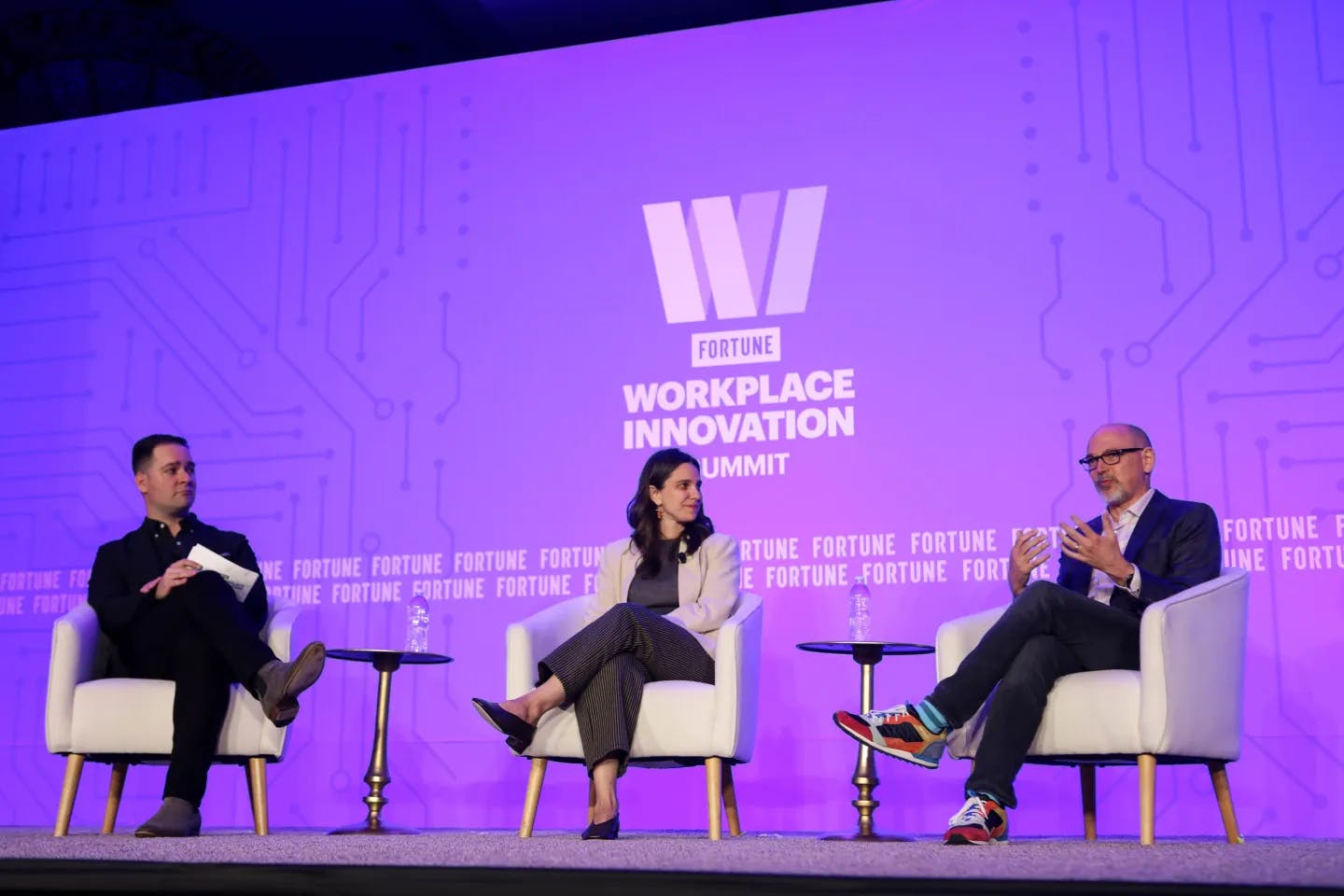
At a recent Fortune summit, the CEO of Indeed said AI can now handle over half the tasks in most roles. But no single job can be fully automated. OpenAI s Chief People Officer even called it a reimagination of work.