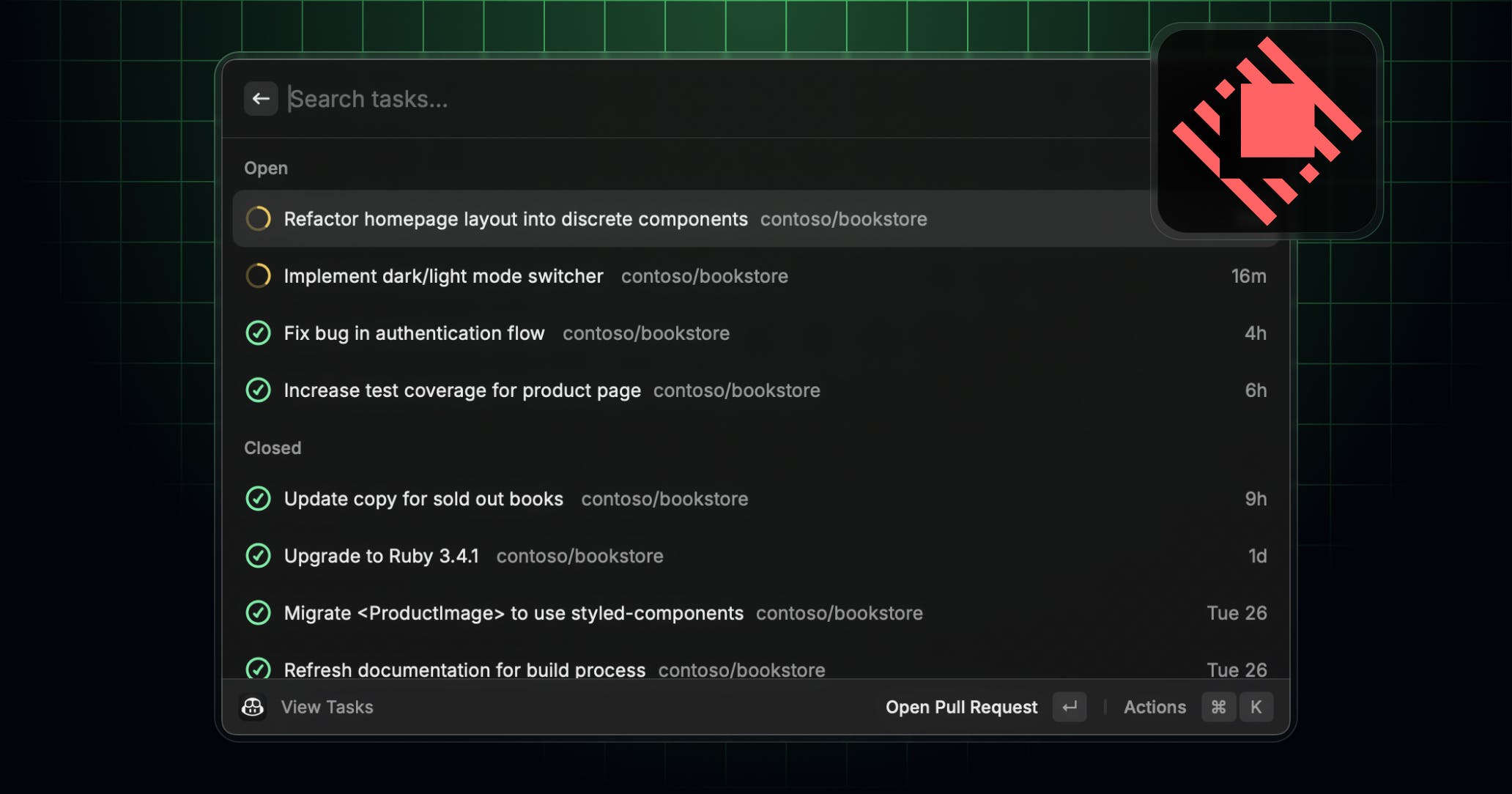
I've been thinking about something. We've gotten really good at using AI to generate working code, but we're not treating it like production code in terms of documentation.
Traditional developers spend significant time documenting their code because they know future them (or their teammates) will need to understand, modify, or debug it later. But with AI-generated code, we often just copy-paste and move on.
Hello Friends of Jo! As you know we recently sunset the old Jo ... but that's because we took the core of it and added in what people said they wanted more > synthetic users to give feedback in addition to real users. And this time around, we've packed this up as a Figma plugin to take this right into workflows where products are designed. We're launching this as Yo today - take it for a spin here: https://www.producthunt.com/prod...
WhatsApp has launched "Writing Help," an AI feature that lets users rephrase, proofread, or adjust the tone of their messages (professional, funny, supportive, etc.).
Yes, it can be helpful to better express yourself, but it also has many critics that the authenticity of our "ordinary" daily communication is fading even in such a "RAW" channel as WhatsApp.
Over the past year, I ve noticed more founders stepping into the course creator role. Some are sharing genuine frameworks, while others lean heavily on personal branding and hype.
A recent example is App Mafia: a group of young founders (Zach Yadegari, Blake Anderson, Alex Slater, Connor McLaren) who claim to have built mobile apps valued at over $100M. They just launched a $997 marketing course, and the reaction online has been mixed.
Curious what you re actually shipping with right now. Which stack are you using day-to-day, and why did you choose it over the alternatives? A bit of context (product type + team size) helps a ton.
If you ve switched stacks recently, what did you move from/to and what pushed the change? Cost, speed, hiring, DX, vendor limits, something else?
According to Neil Patel's data about influencer marketing, newsletter/email is the most effective channel when it comes to ROI (attached infographics; source)
But not so many influencers own newsletters; in most cases, only social media channels.
Whenever I m about to buy something (especially something more expensive), I can be easily influenced by recommendations from people I trust and know. That might be well-known accounts on X or suggestions from friends.