
vaelth
The local-dev proxy your AI agents can drive
7 followers
The local-dev proxy your AI agents can drive
7 followers
Give local services realvaelth names and automatic HTTPS on your machine — drive it from a CLI, a portal, or your AI agent over MCP. Everything stays on localhost.


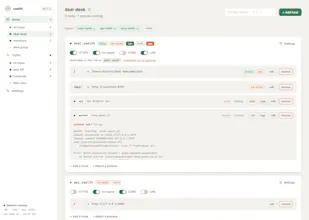


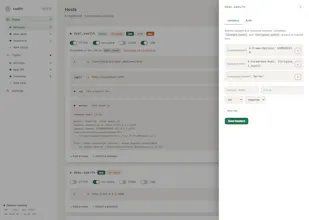
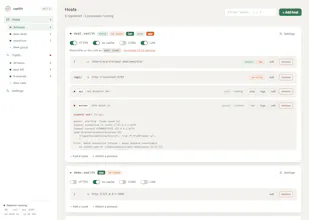

Would love to see built-in Let's Encrypt renewal hooks and a simple status badge you can drop into a readme. Right now I have to wire cron manually for cert refresh, and a tiny health probe endpoint would make uptime monitoring way easier.
@ksulunhat56036 Thanks so much for digging in — genuinely useful.
Good news that might save you the cron job: vaelth is a local dev proxy, so it serves .vaelth and <host>.local names with a built-in local CA. It issues and re-issues a per-host leaf cert automatically, no Let's Encrypt in the loop, nothing to renew on a schedule. Trust the CA once and HTTPS just keeps working, so the cert-refresh pain should go away entirely.
On monitoring: there's a daemon status surface today (vaelth status + a JSON /v1/status), and the latest release adds per-host upstream reachability right in the portal. it dials each host's target and shows up/down at a glance. A dedicated, scrape-friendly health endpoint is a fair ask, though, noting it. 👍
The badge idea points at something bigger: exposing a local service publicly. That's deliberately out of scope for v1 (the portal and API never leave your machine), but public exposure via tunnels, Cloudflare, ngrok, Tailscale Funnel — is exactly what we're designing next. Those terminate TLS at the edge, so even then you wouldn't be wiring Let's Encrypt yourself.
Appreciate the signal on where people expect this to go .
Finally a single binary that replaces half my docker-compose stack. Mapped my dev port and static dir in under a minute, dashboard is clean and the MCP angle is genuinely interesting.
packing all of that into a single Go binary is honestly kind of wild, love that you can map any port or directory to a stable hostname without juggling five different tools. the management portal being bundled in with the MCP server is a really thoughtful touch.