
NirnaY
Turn uncertain disaster data into clear decisions.
146 followers
Turn uncertain disaster data into clear decisions.
146 followers
Nirnay is an AI-powered emergency decision-support system that helps responders turn incomplete, conflicting and changing disaster information into clear, explainable actions. It combines live risk mapping, confidence scoring, emergency routing, what-if simulations and AI explanations while keeping humans in control.


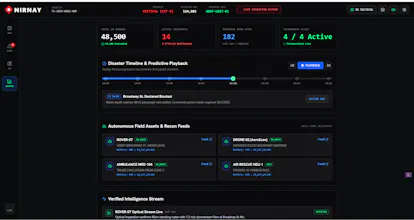
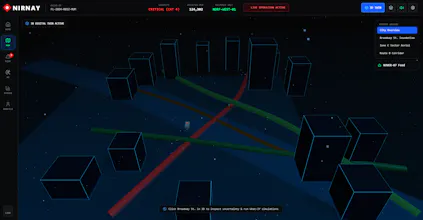


Excited to share NIRNAY with the community!
Our project is built to help cities and communities respond better to disasters by combining citizen reports, sensor data, and geospatial intelligence into one unified platform.
Supabase-powered backend with structured tables for roads, reports, hospitals, and shelters.
AI confidence module that handles conflicting inputs (citizen vs. sensor vs. satellite).
Scenario simulation using JSON datasets to test risk scoring and population impact queries.
Frontend integration for real-time visualization of flooded roads, shelters, and hospital accessibility.
We’re still early, but the goal is clear: make disaster response faster, smarter, and more reliable.
Feedback from the Product Hunt community means a lot to us — whether it’s on the tech stack, usability, or ideas for new features. Thanks for checking out NIRNAY and supporting our journey!
Really excited to see Nirnay out in the world! 🚀
Building this made us realize how difficult disaster response becomes when information is incomplete, uncertain, or changing quickly. We’re trying to make that decision-making process clearer, faster, and more explainable — while keeping humans in control.
Would love to hear what you think and what we should build next!
Really excited to finally share Nirnay with the Product Hunt community! 🚀 We built this around a real challenge in disaster response: information can be incomplete, conflicting, and constantly changing. Our goal was to help responders move from scattered information to clearer, explainable decisions. Would love to hear your thoughts—especially on the decision-support approach and what you'd improve. 🙌