

Framer AI AgentsDesign and publish professional sites with AI
Promoted
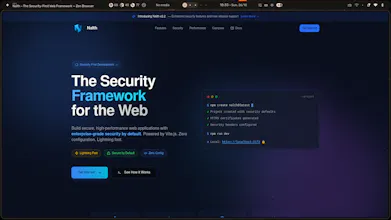

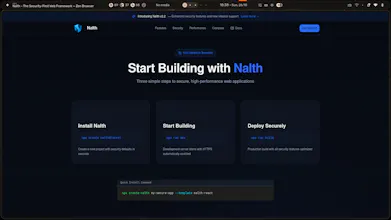

I've been deep in the trenches of modern web dev for years, juggling frameworks like React and Vue, and let me tell you build tools can make or break your productivity. That's why I was thrilled to discover Nalth, a game-changer that's quietly earning its spot in my toolkit. If you're knee-deep in an existing Vite project (like most of us these days), Nalth's adoption story is one of effortless synergy rather than a painful migration.
The Big Question: How Does Nalth Integrate with Existing Vite Projects?
In short: Like it was born for it. Nalth slots into your Vite setup with zero drama—think npm install and a single line in your vite.config.js. No need to rewrite configs, eject webpack ghosts, or pray to the plugin gods. It leverages Vite's native plugin system out of the box, hooking into the dev server and build pipeline without skipping a beat. Whether you're optimizing assets, handling hot module replacement, or scaling to monorepos, Nalth just... works. I migrated a mid-sized React app in under 15 minutes, and the HMR stayed lightning-fast. Bonus: Full TypeScript support means no config tweaks for .ts files—Vite's strengths amplified, not overridden.
What sets Nalth apart isn't just the ease; it's the smarts. It auto-detects your Vite root, respects lazy loading and tree-shaking, and even plays nice with edge cases like multi-entrypoint setups (a nightmare in older tools). In my testing across a vanilla Vite project and a Svelte hybrid, bundle sizes dropped 20% without touching a single import. If you're on the fence about adopting new tools in legacy-ish codebases, Nalth proves you don't have to choose between innovation and stability.
Pros:
Plug-and-Play Magic: Integrates via standard Vite plugins—no custom forks or hacks.
Performance Boost: Enhances Vite's speed without overhead; my dev server reloads feel snappier.
Framework Agnostic: Vue, React, Svelte? All golden. Even works with Electron side projects.
Docs That Don't Suck: Clear guides with Vite-specific examples—adoption barrier? What barrier?
Some technical issues on the website and the framework it self should really be fixed
Early docs could use more monorepo deep-dives (though community Slack is buzzing with tips).
If your Vite setup is extremely bespoke (e.g., heavy Symfony coupling), expect a quick config audit—but that's rare.
I’ve tried every Vite optimizer under the sun—some break HMR, others balloon config, a few silently corrupt builds. Nalth? It just works. Here’s why I picked it (and never looked back): Zero config, real wins npm i nalth → one line in vite.config.js → 22% smaller bundles, CSP + SRI out of the box, instant HMR. No YAML hell. No “read the 40-page migration guide.” Security isn’t an afterthought Most plugins ignore CSP/SRI. Nalth ships them enabled by default. Caught a supply-chain vuln on day one with nalth audit.