HAIPA is non-custodial institutional-grade trading infrastructure for agents on Hyperliquid, built on Tokyo-colocated compute and persistent virtual machines equipped with a suite of institutional-grade trading execution algos. You define the risk caps for your agent: size limits, leverage caps, position boundaries. HAIPA enforces them at the signing boundary before every order fires, so your agent gets institutional speed and capabilities without ever breaking your rules.
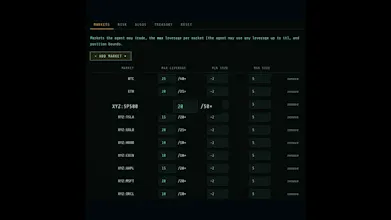
We kept seeing the same thing. Someone wires a bot or an LLM to an exchange, it works fine for a week, then one bad signal or one weird prompt puts on a full-size max-leverage position and there is nothing in the path to stop it. The agent did exactly what it was told. That was the problem. The bot was unbounded.
So we built HAIPA. It is non-custodial trading infrastructure for agents on Hyperliquid. You set the risk caps for your agent: size limits, leverage caps, position boundaries. HAIPA checks every order against them at the signing boundary before it fires. HAIPA holds no funds and has no withdrawal authority, so the worst case is a trade you did not want, never a drained account.
The other half is that a bounded agent still needs real tools. HAIPA runs on Tokyo-colocated compute and persistent VMs, so your algos keep running after you close the chat. Trailing stops, peg orders, and trigger brackets are live now. HAIPA is rails, not an agent, so anything that speaks MCP can drive it: Claude or ChatGPT directly, or whatever framework your persistent agent already runs on. Plain English in, bounded orders out. No SDK.
We are in open beta and anyone can onboard at haipa.ai. Most curious what people think about where the policy line should sit. What would you refuse to let an agent do with your account?