

GraphBit
Rust-core, Python-first Agentic AI framework
5.0•21 reviews•1.5K followers
Rust-core, Python-first Agentic AI framework
5.0•21 reviews•1.5K followers
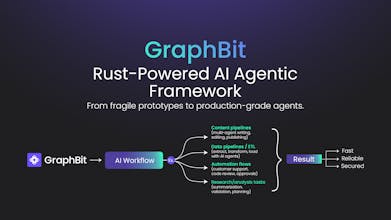
GraphBit is a high-performance AI agent framework with a Rust core and seamless Python bindings. It combines Rust’s speed and reliability with Python’s simplicity, empowering developers to build intelligent, enterprise-grade agents with ease.


GraphBit
Hey Product Hunt! 👋 Musa here, Founder of @GraphBit
I built GraphBit because I was tired of the same developer pain:
Juggling slow, brittle frameworks that crash under load
Choosing between Python’s simplicity or Rust’s speed- never both
Losing control of observability and scaling in enterprise builds
GraphBit solves that.
Rust under the hood for blazing speed, safety, and async concurrency
Python bindings for a dev-friendly, easy-to-learn interface
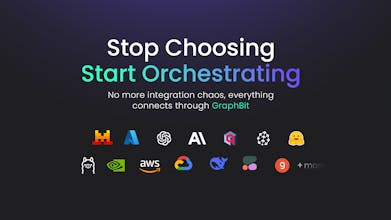
Enterprise-first features: real-time observability, crash resilience, multi-LLM orchestration
Our vision? Make building scalable, production-ready AI agents feel as natural as microservices- secure, performant, and developer-first.
🙏 I’d love to hear: What’s your biggest pain when building AI agents? Happy to get feedback, mid-launch or post-launch.
Thanks for being here, excited to build together!
— Musa