No reviews yetBe the first to leave a review for fissure sealants
Hunter
📌
When it comes to maintaining good oral health, understanding the difference between fissure sealants and fillings is essential. Both treatments are commonly used in dental care, but they serve very different purposes. While one is a preventive dentistry measure, the other is a restorative solution. In this article, we’ll explore what fissure sealants and fillings are, how they differ, and when each is appropriate to ensure long-term dental health.
What Are Fissure Sealants?
Fissure sealants are a protective coating applied to the chewing surfaces of the back teeth (molars and premolars), where grooves and pits—also known as fissures—are most likely to trap food and bacteria. These grooves can be quite deep, making them difficult to clean with regular brushing alone.
Sealants are made from a tooth-coloured resin that hardens quickly to form a shield over the enamel. The goal is to prevent plaque build-up and stop cavities before they start. Fissure sealants are most often recommended for children and teenagers soon after their permanent molars have erupted, but adults who are prone to decay can also benefit.
This is a preventive dentistry approach that aims to protect teeth from decay rather than treat it after it occurs.
What Are Fillings?
Dental fillings, on the other hand, are used to restore a tooth that has already been damaged by decay. When a cavity forms, the decayed portion of the tooth must be removed, and the hole is then filled with a material such as composite resin, amalgam, or porcelain. This helps restore the tooth’s shape and function while preventing further decay.
Fillings are a restorative procedure, and unlike fissure sealants, they are only used once the tooth has already sustained damage.
Key Differences Between Fissure Sealants and Fillings
While fissure sealants and fillings may seem similar at a glance—they both involve applying a material to the tooth—their purposes, processes, and timing are entirely different.
1. Purpose
Fissure Sealants: Prevent cavities from forming in the first place.
Fillings: Repair teeth that are already decayed.
2. When They’re Used
Fissure Sealants: Applied to healthy teeth, particularly newly erupted molars, as a protective measure.
Fillings: Used only when tooth decay has occurred and needs to be removed and filled.
3. Procedure
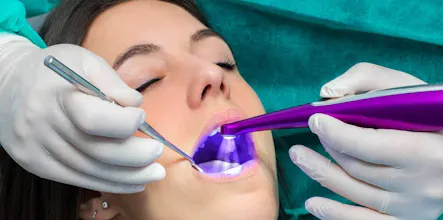
Fissure Sealants: The tooth is cleaned and dried, then a bonding agent is applied. The sealant is painted on and cured with a special light. It’s quick, non-invasive, and painless.
Fillings: The dentist must drill into the tooth to remove decay, clean the area, and then fill the cavity. Anaesthesia is usually required.
4. Materials Used
Fissure Sealants: Typically a resin-based material, either clear or tooth-coloured.
Fillings: May be made from amalgam, composite resin, gold, or ceramic.
5. Longevity
Fissure Sealants: Can last several years but may need touch-ups or reapplication over time.
Fillings: Usually last longer, depending on the material, but may eventually need replacement due to wear.
The Role of Preventive Dentistry
Preventive dentistry plays a crucial role in reducing the need for invasive procedures like fillings, root canals, or extractions. Fissure sealants are a perfect example of this proactive approach. By applying a barrier that protects teeth from decay-causing bacteria, dentists can help patients—especially children—avoid future dental problems and maintain healthier smiles.
Regular dental check-ups, fluoride treatments, professional cleans, and patient education are also part of preventive dentistry. The emphasis is on catching issues early or stopping them before they begin, saving time, discomfort, and money in the long run.
Who Should Consider Fissure Sealants?
While fissure sealants are most commonly recommended for children and teens, they aren’t limited to younger patients. Adults with deep grooves in their molars or a history of cavities may also benefit from sealants.
Children as young as six can receive sealants on their first permanent molars. Applying them early, when the teeth are still healthy, offers maximum protection and reduces the risk of decay during the cavity-prone years.
Are There Risks Involved?
Both treatments are considered safe and effective, but they are not without considerations.
Fissure sealants are non-invasive, and side effects are rare. However, they can occasionally wear off or chip, requiring reapplication.
Fillings, while generally safe, involve drilling and possible discomfort, particularly if the decay is extensive. There’s also a risk of tooth sensitivity following the procedure.
It’s also worth noting that sealants are not a substitute for good oral hygiene. Regular brushing, flossing, and dental visits are still essential.
Summary
Understanding the difference between fissure sealants and fillings is key to making informed decisions about your oral health or your child’s. Fissure sealants are a simple, effective tool in preventive dentistry, helping to stop cavities before they start. Fillings, meanwhile, are necessary when decay has already damaged the tooth. Both have their place in modern dental care, and the best approach is often a combination of both preventive and restorative treatments. By working closely with your dentist, you can protect your teeth now and in the future—reducing the risk of dental issues and maintaining a healthy, confident smile for life.