
Earnova: Income Tracker
Your earnings & passive profit
18 followers
Your earnings & passive profit
18 followers
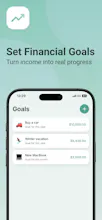
Track all your income sources in one place. Understand where your money comes from, monitor side hustles, and see your earnings grow with a clean, simple dashboard.



Free
Launch Team

Build your Framer site from Claude, Codex or CursorYour AI agent builds it. You review before it goes live.
Promoted


How does this work?
Do I manually enter all the income sources myself, or does it integrate with something like Google Sheets or other services? I'm curious how the data gets added.
@jordan_valuable For now it works very simple, you add your income sources and goals, than in the dashboard you can track the progress