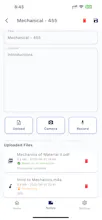
CramEasy was inspired by my own experience struggling to study efficiently under time pressure. I noticed that most study tools were either too generic, too complicated, or not aligned with how students actually prepare for exams. I often found myself jumping between notes, videos, flashcards, and summaries without a clear system, which led to wasted time and burnout.
The core problem CramEasy aims to solve is inefficient, overwhelming studying. Students don’t need more content; they need clarity, structure, and speed. CramEasy focuses on turning large amounts of material into concise, digestible formats that make last-minute and high-pressure studying more effective.
When I first started building CramEasy, my approach was very feature-driven. I wanted to include everything at once. Over time, through testing and feedback, I realized simplicity was far more valuable than complexity. I shifted toward a user-first, outcome-driven approach, focusing on what actually helps someone understand and retain information faster.
As the project evolved, so did my process. I began iterating more quickly, validating ideas early, and refining the product based on real usage instead of assumptions. CramEasy became less about building a “perfect” platform and more about solving one clear problem really well: helping students cram smarter, not longer.