
Better Bginfo
Turn your Windows desktop wallpaper into a memo board.
2 followers
Turn your Windows desktop wallpaper into a memo board.
2 followers
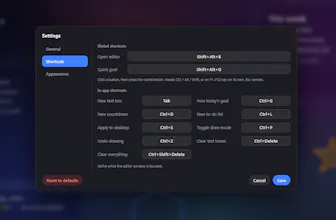
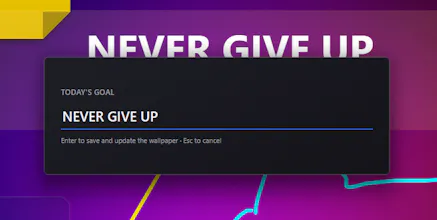
You arrange things on a WYSIWYG canvas. When you hit Apply to desktop, the front end composites everything into a single PNG at your screen's native resolution and hands it to the Rust side, which sets it as the system wallpaper. So what you see on the desktop is just a picture — it costs nothing at runtime. The only thing that stays resident is a tray process (~25 MB, 0% CPU). The editor window is destroyed the moment you close it, and its memory goes with it.




Free
Launch Team / Built With


Framer AI AgentsDesign and publish professional sites with AI
Promoted
