One native desktop app for the tools developers switch between: a REST and GraphQL client, a database manager for MySQL, PostgreSQL and SQLite, an SSH terminal and SFTP, docs, kanban boards, team chat and an end-to-end encrypted vault. Imports your Postman, Insomnia, Bruno and OpenAPI collections in one click, and the AI assistant runs on your own API key. Everything works offline on your machine, free and without an account. Cloud sync, vault sync and shared team workspaces are the paid part.
Hey Product Hunt,
I'm Samin — a developer from Bosnia, living and working in Austria for the last 13 years, building Apiboo on my own. It started because my dock had turned into a graveyard: Postman for requests, TablePlus for the database, Termius for SSH, Notion for docs, a board somewhere else, and secrets living in .env files and Slack messages. Five tools, five logins, none of them aware of each other — and most of them wanting an account before they would show me a response body.
Apiboo Workspace is one native desktop app (macOS, Windows, Linux) for that whole loop:
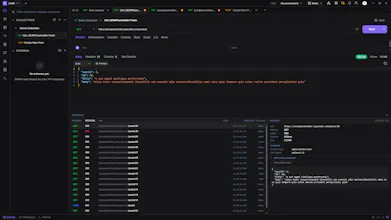
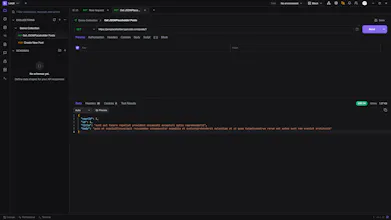
**API client** — REST and GraphQL, OAuth 2.0 with PKCE, AWS Signature v4, client certificates (mTLS), environments and variable scopes, pre-request and test scripts with a collection runner, local and cloud mock servers, code generation in 9 languages. It imports Postman, Insomnia, Bruno, OpenAPI, HAR and cURL, so moving over is one click rather than a weekend.
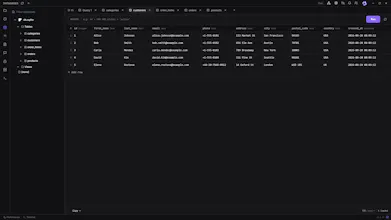
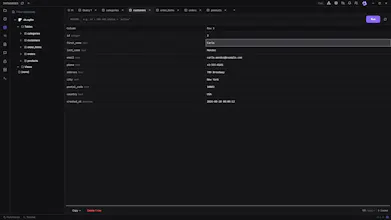
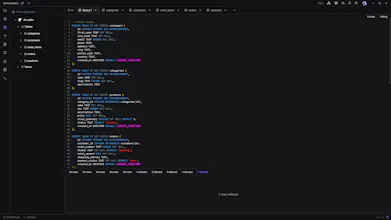
**Database manager** — MySQL, PostgreSQL and SQLite. Multi-statement queries, saved scripts, a results grid with cell detail, export.
**SSH terminal and SFTP** — built in, so debugging a server isn't a context switch.
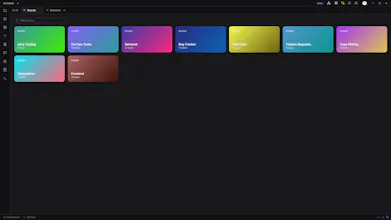
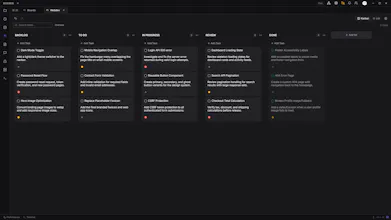
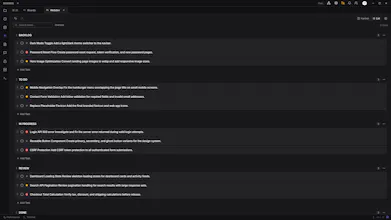
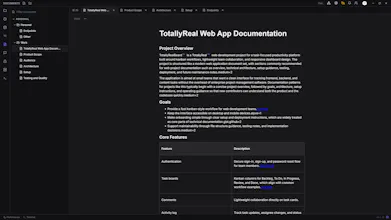
**Docs and boards** — a block editor with slash commands, checklists and sub-pages, exporting to real selectable-text PDF, plus kanban boards that sit next to the collections they describe.
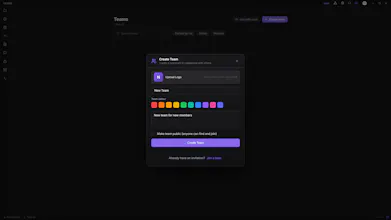
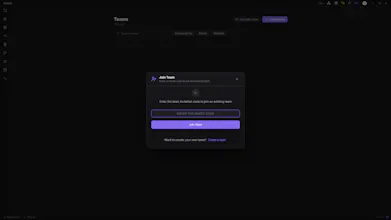
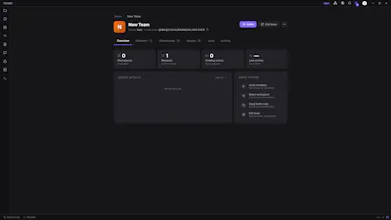
**Team chat** — channels, DMs, attachments, typing and read receipts. Team documents are edited live: block-level changes stream between everyone with the doc open, without stealing your cursor, and presence shows who is on which block.
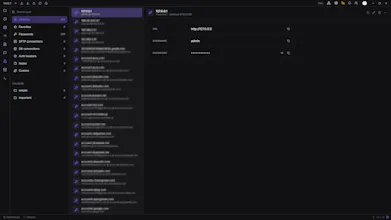
**Encrypted vault** — end-to-end encrypted, with passkeys and a Chrome extension that autofills from the desktop app on your own machine. The passphrase never leaves your computer, so we can't read your secrets.
**AI assistant** — bring your own Anthropic, OpenAI or Gemini key, on every plan including Free. The key sits in your local vault and requests go straight from your machine to the provider. Nothing passes through our servers, and we never meter or bill for AI. It can build collections and run requests for you, so "call this endpoint with the staging token" is a sentence instead of a form.
**Mobile (in development)** — an iOS and Android companion app is being built: team chat so you stay reachable, and your vault with native autofill on the phone. It runs the same crypto as the desktop vault, verified against shared test vectors, so the same passphrase opens the same items. It isn't downloadable yet — sign-in is still being wired up on our side — and the newsletter is where the beta gets announced first.
The part I actually care about: **it's local-first.** Everything above runs offline, on your own machine, free, with no account — team chat is the one exception, since it needs other people. The line isn't a feature quota, it's whether your data leaves your computer. Free never syncs. Pro (€10/month) adds sync across your devices, vault sync, cloud mock servers and shared workspaces — which is also the honest answer to the obvious risk of local-first: if your machine is lost, stolen or simply dies, synced work is safe on our side and comes back the moment you sign in on the next one. Team is €20/user/month for unlimited teams, channels and organisations with roles and central billing. Stop paying and syncing stops — everything you have locally keeps working exactly as before.
Git sync to GitHub is free too, on purpose: it's local git plus your own GitHub token, so no byte of it touches us. Our servers and primary database are in the EU (Nuremberg), with a WebSocket edge and standby replica in the US so real-time stays fast outside Europe.
**What it isn't, yet:** there's no WebSocket or gRPC request builder — the protocol strip stops at REST and GraphQL. SSO, SCIM and self-hosted deployment aren't built (organisations, domain-verified membership, roles and central billing are). The mobile apps aren't released. And Deploy — preview environments per branch, without leaving Apiboo — is still in the lab, targeted at 2027. I'd rather tell you all of that here than have you find it on day two.
Plenty more is coming; this is the first public version, not the finished set. The fastest way to shape it is to tell me what's missing.
So the question I'd love an answer to: what would Apiboo have to do before it replaced one of the tools you currently pay for? I'll be in the comments all day — questions and criticism both welcome.