
AI Agent Builder
AI Agent Builder
5 followers
AI Agent Builder
5 followers
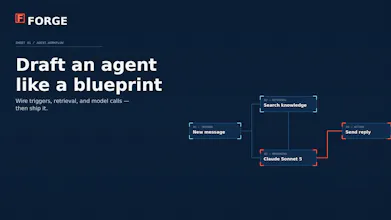
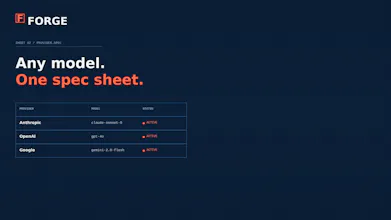
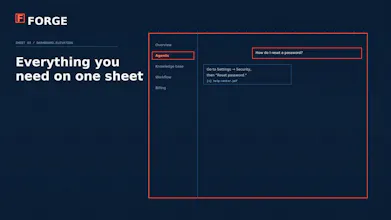
A complete SaaS platform for building AI agents without code. The full loop actually works end-to-end: sign up → build an agent → ground it in a PDF/website/YouTube video → chat with cited answers → invite teammates with role-based permissions → publish to a marketplace → upgrade via real Stripe checkout → share a public chat link with no login required. Built with Next.js 15, React 19, TypeScript, Prisma, Supabase, Clerk, and Stripe, with support for 3 AI providers (OpenAI, Claude, Gemini).

Curious how the citation grounding actually works under the hood when you point it at a long PDF or a 2-hour YouTube video, does it chunk and embed the full transcript, or is there some smarter retrieval layer that keeps answers accurate as the source gets bigger?
The end-to-end loop actually being functional instead of a teaser is impressive, especially the public chat link with no login. Most no-code agent builders leave the Stripe checkout or permissions as a TODO.
The end-to-end loop with real Stripe checkout and a no-login shareable link is a really sharp call, so many no-code tools fudge the monetization step. And grounding on YouTube videos specifically is a detail I didn't know I wanted until now.
How does the grounding actually handle really long PDFs, like a 500-page manual?