
Microsoft Copilot Health
Dedicated space to bring your personal health data together
222 followers
Dedicated space to bring your personal health data together
222 followers
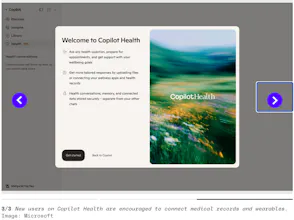
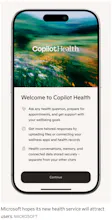
You've got data from your Oura, your hospital, your blood panels. None of it talks to each other. None of it tells you what to do. Copilot Health fixes that. It's a secure space inside Copilot where your health records (50,000+ US health systems), wearables (50+ devices), and lab results (via Function) come together. Medical AI analyzes the full picture and surfaces insights you can act on, grounded in sources like Harvard Health.





Most people have more health data than ever. And less idea what to do with it.
Lab results in a hospital portal. Sleep data on your wrist. Medications scattered across three different systems. The data exists. It just never talks to each other.
Copilot Health changes that.
What it does:
🏥 Connects EHRs from 50,000+ US hospitals, pulling visit summaries, meds, and test results
⌚ Syncs wearables from 50+ devices including Apple Health, Oura, and Fitbit
🧪 Ingests lab results via Function and reasons across the full picture
📚 Grounds answers in Harvard Health and verified sources from 50+ countries
🔍 Finds real doctors who take your insurance, filtered by specialty and language
🔒 Data isolated from general Copilot, never used for model training
The outcome isn't just "more insight." It's showing up to your doctor prepared, with the right questions and the right context, instead of trying to remember everything on the spot.
Excited to hunt this one. The EHR integration alone is a big unlock. 50,000 health systems is not a small number.
US-only and waitlist-gated for now, so set expectations accordingly.
What are you most curious to try first: the wearable synthesis, the EHR records side, or just having a single place to actually ask questions about your own health?
P.S. I hunt the latest and greatest launches in tech, SaaS and AI, follow to be notified → @rohanrecommends
"Grounded in sources like Harvard Health" is doing a lot of work in that sentence. When the AI surfaces an insight, can you see exactly which source it's drawing from and the specific passage? Or is it more like a general confidence stamp that the output is medically reviewed? The difference matters a lot when you're trying to decide whether to actually act on something.
Interesting to see Microsoft enter the personal health tracking space. The challenge I've seen with these tools is getting people to actually log consistently does it pull data automatically or is it mostly manual input?